

Jam or jelly, fruit juice sweetened
Common food

Photo: Wikipedia
This is a fruit preserve sweetened not with refined sugar, but with concentrated fruit juice, offering a brighter, more authentically fruity sweetness. Its texture is smooth and spreadable, with a vibrant, often tangy flavor profile that highlights the natural taste of the fruit. Nutritionally, it provides a quick source of carbohydrate energy but is essentially devoid of protein and fat.
Calorie split: 0% protein · 100% carbs · 0% fat
↓ Full nutrition💚 Why it's loved
People love it for its intense, pure fruit flavor and the comforting, familiar ritual of spreading it on toast or swirling it into yogurt. It's a versatile staple that bridges breakfast, baking, and snacking across many cultures.
⚠️ Watch-outs & how to enjoy it better
Its high sugar content (42g per 100g) can cause rapid blood-sugar spikes, making it a concern for diabetics or those monitoring glycemic response. To mitigate this, always pair it with a source of protein or healthy fat (like nuts, cheese, or whole-grain bread) to slow sugar absorption and practice strict portion control.
Key benefits
- Provides quick energy from natural fruit sugars
- Offers a more natural sweetener alternative to refined sugar
- Contains small amounts of fruit-based antioxidants
- Low in fat and contains no cholesterol
- Can be a palatable way to increase fruit intake for some
🍽️ Popular dishes

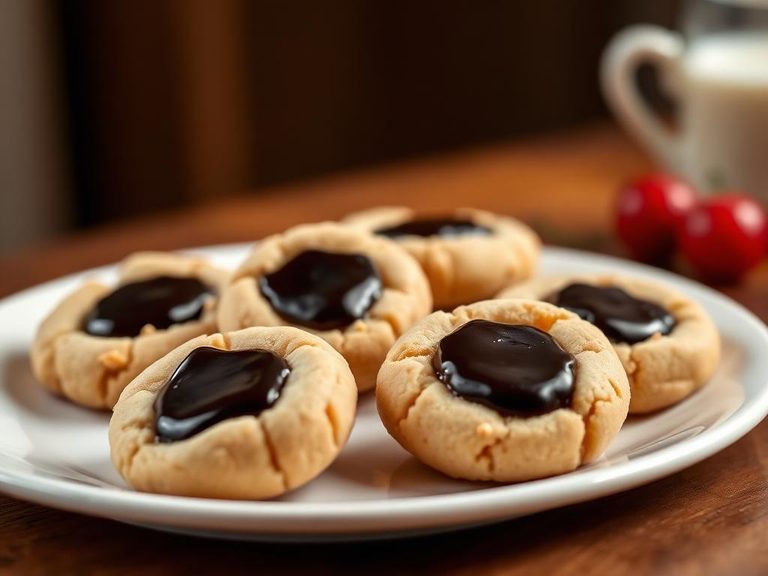

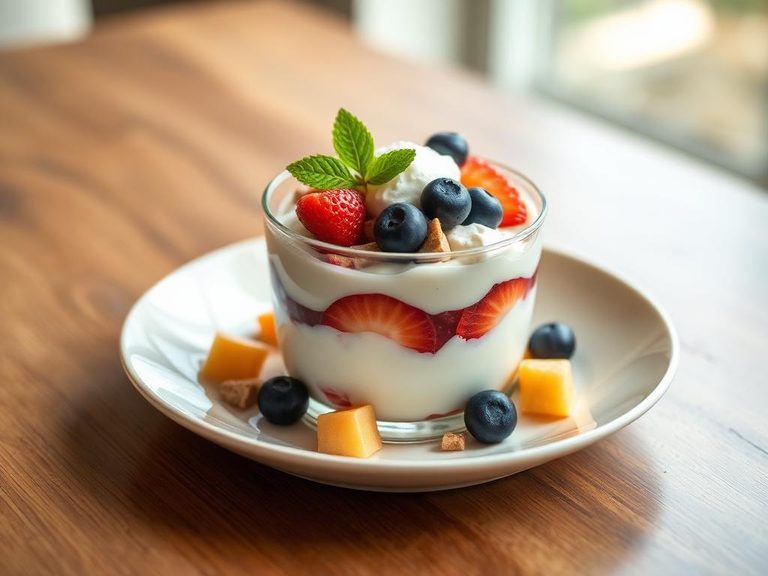
🌍 Where it's eaten
💡 Did you know?
The term 'jam' and 'jelly' are legally defined in the U.S. by the FDA; jam must contain at least 45% fruit, while jelly is made from fruit juice and must contain at least 45% fruit juice.
Full nutrition (USDA data · scales with serving)
| Water | 46.8 g |
| Energy | 212 kcal |
| Protein | 0.00 g |
| Total lipid (fat) | 0.00 g |
| Carbohydrate, by difference | 52.9 g |
| Fiber, total dietary | 0.90 g |
| Total Sugars | 42.0 g |
| Calcium, Ca | 11.0 mg |
| Iron, Fe | 0.34 mg |
| Magnesium, Mg | 5.0 mg |
| Phosphorus, P | 6.0 mg |
| Potassium, K | 65.0 mg |
| Sodium, Na | 0.00 mg |
| Zinc, Zn | 0.20 mg |
| Copper, Cu | 0.03 mg |
| Selenium, Se | 0.80 ug |
| Vitamin C, total ascorbic acid | 18.1 mg |
| Thiamin | 0.03 mg |
| Riboflavin | 0.02 mg |
| Niacin | 0.20 mg |
| Vitamin B-6 | 0.01 mg |
| Folate, total | 7.0 ug |
| Folic acid | 0.00 ug |
| Folate, food | 7.0 ug |
| Folate, DFE | 7.0 ug |
| Choline, total | 2.5 mg |
| Vitamin B-12 | 0.00 ug |
| Vitamin B-12, added | 0.00 ug |
| Vitamin A, RAE | 1.0 ug |
| Retinol | 0.00 ug |
| Carotene, beta | 12.0 ug |
| Carotene, alpha | 0.00 ug |
| Cryptoxanthin, beta | 0.00 ug |
| Lycopene | 0.00 ug |
| Lutein + zeaxanthin | 12.0 ug |
| Vitamin E (alpha-tocopherol) | 0.13 mg |
| Vitamin E, added | 0.00 mg |
| Vitamin D (D2 + D3) | 0.00 ug |
| Vitamin K (phylloquinone) | 1.0 ug |
| Alcohol, ethyl | 0.00 g |
| Caffeine | 0.00 mg |
| Theobromine | 0.00 mg |
Fat & fatty acid profile (per 100g)
| Fatty acids, total saturated | 0.00 g |
| SFA 4:0 | 0.00 g |
| SFA 6:0 | 0.00 g |
| SFA 8:0 | 0.00 g |
| SFA 10:0 | 0.00 g |
| SFA 12:0 | 0.00 g |
| SFA 14:0 | 0.00 g |
| SFA 16:0 | 0.00 g |
| SFA 18:0 | 0.00 g |
| Fatty acids, total monounsaturated | 0.00 g |
| MUFA 16:1 | 0.00 g |
| MUFA 18:1 | 0.00 g |
| MUFA 20:1 | 0.00 g |
| MUFA 22:1 | 0.00 g |
| Fatty acids, total polyunsaturated | 0.00 g |
| PUFA 18:2 | 0.00 g |
| PUFA 18:3 | 0.00 g |
| PUFA 18:4 | 0.00 g |
| PUFA 20:4 | 0.00 g |
| PUFA 20:5 n-3 (EPA) | 0.00 g |
| PUFA 22:5 n-3 (DPA) | 0.00 g |
| PUFA 22:6 n-3 (DHA) | 0.00 g |
| Cholesterol | 0.00 mg |
FAQ
How is fruit juice sweetened jam different from regular jam?
Regular jam is typically sweetened with added refined sugar (like sucrose). Fruit juice sweetened jam replaces some or all of that sugar with concentrated fruit juice (like grape or apple juice), resulting in a product with a different, often more nuanced sweetness and no added refined sugars.
Is it healthier than regular jam?
It contains no added refined sugar, which some prefer. However, the total sugar content per serving can be very similar, as fruit juice is also high in natural sugars. It's not a 'health food' but a slightly different formulation of a sugary spread.
Can I use it for canning and preserving?
Yes, but it requires specific recipes. Because it lacks the high sugar concentration that acts as a preservative in traditional jams, fruit juice sweetened jams often have a shorter shelf life and may require refrigeration or proper water-bath canning techniques to ensure safety.
Nutrient density (calculated · NRF9.3)
Nutrient Rich Foods index: beneficial nutrients (protein, fiber, vitamins, minerals) minus saturated fat, added sugar & sodium, per 100 kcal.
NRF9.3 index — Fulgoni, Keast & Drewnowski, 2009. Computed from USDA nutrients.
Weight-loss friendliness (composite index)
Energy density 2.12 kcal/g · 0% calories from protein · 0.9 g fiber · 42.0 g sugar per 100 g.
Composite of energy density (Rolls et al., 1999), protein & fiber satiety, minus sugar. A calculated heuristic — ranks satiety-per-calorie, not a clinical measure.
Dietary load (calculated from USDA values)
Potential renal acid load. Positive = acid-forming, negative = alkaline-forming.
Sodium-to-potassium ratio: 0.00 (lower is better — aim for ≤ 1)
Sodium:potassium per WHO potassium guidance. Computed from USDA nutrients.