

Italian sausage
Common food

Photo: Wikipedia
Italian sausage is a coarse-ground pork sausage, seasoned with a bold blend of fennel seed, garlic, and red pepper flakes, giving it a signature savory, slightly spicy, and aromatic flavor. Its texture is juicy and meaty, with a satisfying bite when cooked. Nutritionally, it's a dense source of protein and fat, providing significant calories in a small serving.
Calorie split: 23% protein · 3% carbs · 74% fat
↓ Full nutrition💚 Why it's loved
People love it for its robust, aromatic flavor profile—especially the distinctive anise note from fennel—which instantly elevates pasta, soups, and sandwiches. It's a culinary workhorse, prized for its versatility and its central role in comforting, rustic Italian-American cuisine.
⚠️ Watch-outs & how to enjoy it better
Its high saturated fat and sodium content can be a concern for heart health and blood pressure. To counteract this, opt for leaner turkey or chicken-based versions, practice strict portion control, and always pair it with high-fiber vegetables (like broccoli rabe or peppers) and whole grains to balance the meal.
Key benefits
- Excellent source of high-quality protein for muscle maintenance.
- Rich in B vitamins, especially thiamine (B1) and niacin (B3).
- Provides essential minerals like zinc and selenium.
- The fat content aids in the absorption of fat-soluble vitamins.
- A flavorful centerpiece that can make vegetable-heavy dishes more satisfying.
🍽️ Popular dishes
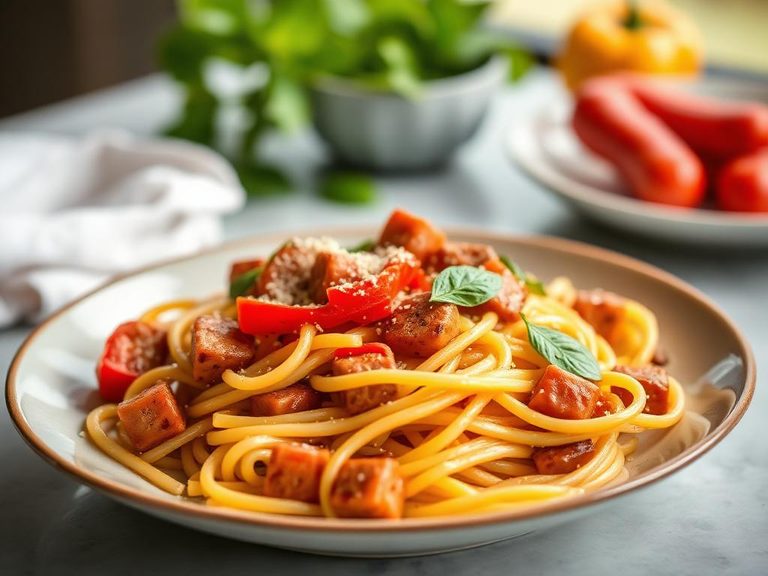
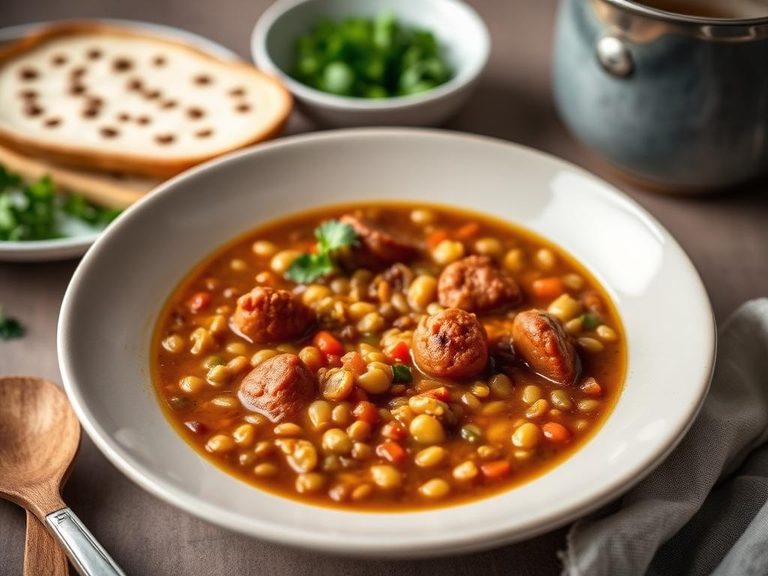
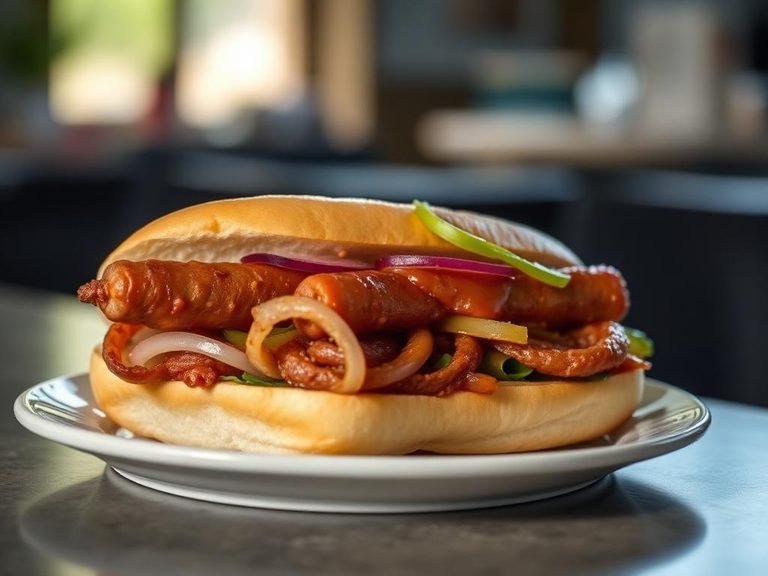
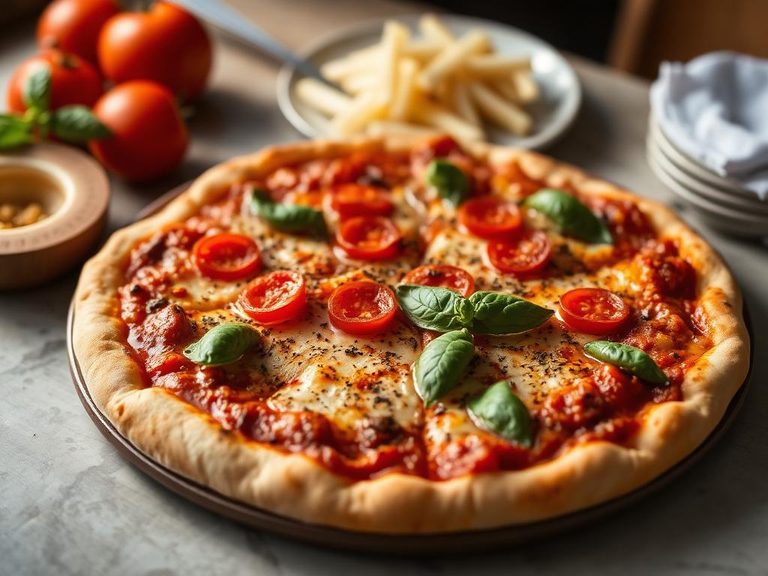
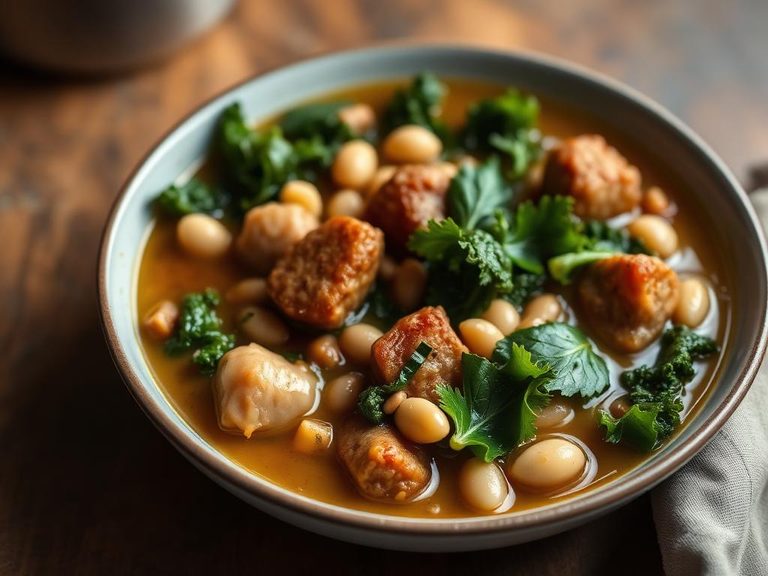
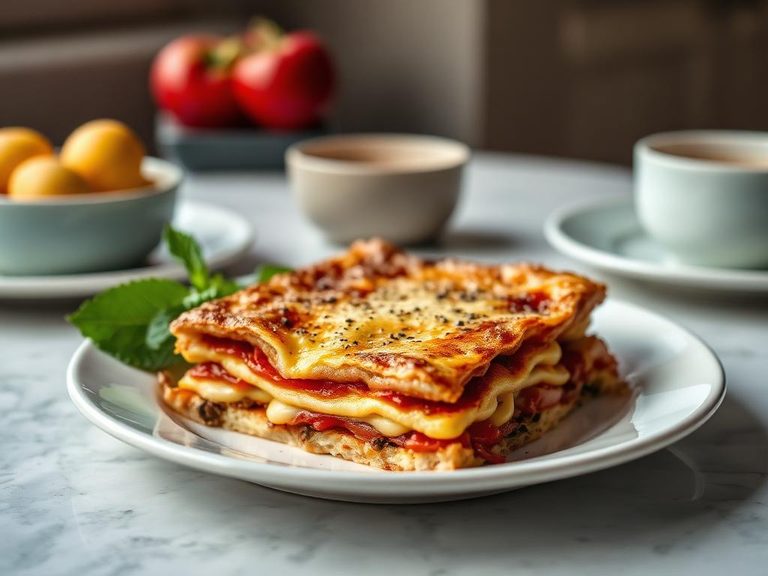
🌍 Where it's eaten
💡 Did you know?
The signature fennel seed in sweet Italian sausage is a direct legacy of ancient Roman cooking, where the seeds were used to mask the taste of less-than-fresh pork.
Full nutrition (USDA data · scales with serving)
| Water | 50.9 g |
| Energy | 317 kcal |
| Protein | 18.2 g |
| Total lipid (fat) | 26.2 g |
| Carbohydrate, by difference | 2.1 g |
| Fiber, total dietary | 0.00 g |
| Total Sugars | 1.5 g |
| Calcium, Ca | 12.0 mg |
| Iron, Fe | 1.3 mg |
| Magnesium, Mg | 19.0 mg |
| Phosphorus, P | 145 mg |
| Potassium, K | 310 mg |
| Sodium, Na | 766 mg |
| Zinc, Zn | 2.4 mg |
| Copper, Cu | 0.07 mg |
| Selenium, Se | 20.2 ug |
| Vitamin C, total ascorbic acid | 0.00 mg |
| Thiamin | 0.31 mg |
| Riboflavin | 0.24 mg |
| Niacin | 5.7 mg |
| Vitamin B-6 | 0.34 mg |
| Folate, total | 0.00 ug |
| Folic acid | 0.00 ug |
| Folate, food | 0.00 ug |
| Folate, DFE | 0.00 ug |
| Choline, total | 70.4 mg |
| Vitamin B-12 | 1.1 ug |
| Vitamin B-12, added | 0.00 ug |
| Vitamin A, RAE | 22.0 ug |
| Retinol | 22.0 ug |
| Carotene, beta | 0.00 ug |
| Carotene, alpha | 0.00 ug |
| Cryptoxanthin, beta | 0.00 ug |
| Lycopene | 0.00 ug |
| Lutein + zeaxanthin | 0.00 ug |
| Vitamin E (alpha-tocopherol) | 0.80 mg |
| Vitamin E, added | 0.00 mg |
| Vitamin D (D2 + D3) | 1.0 ug |
| Vitamin K (phylloquinone) | 0.00 ug |
| Alcohol, ethyl | 0.00 g |
| Caffeine | 0.00 mg |
| Theobromine | 0.00 mg |
Fat & fatty acid profile (per 100g)
| Fatty acids, total saturated | 9.2 g |
| SFA 4:0 | 0.01 g |
| SFA 6:0 | 0.00 g |
| SFA 8:0 | 0.00 g |
| SFA 10:0 | 0.02 g |
| SFA 12:0 | 0.02 g |
| SFA 14:0 | 0.34 g |
| SFA 16:0 | 5.7 g |
| SFA 18:0 | 2.9 g |
| Fatty acids, total monounsaturated | 11.6 g |
| MUFA 16:1 | 0.58 g |
| MUFA 18:1 | 10.8 g |
| MUFA 20:1 | 0.30 g |
| MUFA 22:1 | 0.01 g |
| Fatty acids, total polyunsaturated | 5.0 g |
| PUFA 18:2 | 4.4 g |
| PUFA 18:3 | 0.18 g |
| PUFA 18:4 | 0.00 g |
| PUFA 20:4 | 0.13 g |
| PUFA 20:5 n-3 (EPA) | 0.01 g |
| PUFA 22:5 n-3 (DPA) | 0.02 g |
| PUFA 22:6 n-3 (DHA) | 0.00 g |
| Cholesterol | 80.0 mg |
Amino acid profile (per 100g)
Estimated from Sausage, Italian, pork, mild, raw — USDA does not publish this profile for Italian sausage.
| Hydroxyproline | 0.01 g |
FAQ
What's the difference between sweet and hot Italian sausage?
The primary difference is the addition of red pepper flakes or chili powder in the hot variety. The base seasonings of pork, fennel, garlic, salt, and pepper are otherwise very similar.
Can I substitute Italian sausage in recipes?
Yes, for a similar texture and fat content, ground pork seasoned with fennel, garlic, and paprika is a good substitute. For a leaner option, ground turkey or chicken can work, but you'll need to add more oil or moisture to the dish.
How do I cook Italian sausage properly?
For the best flavor and texture, avoid piercing the casing. Pan-fry over medium heat, turning frequently, until browned and cooked through (160°F/71°C internal temp). You can also bake it at 375°F (190°C) for 20-25 minutes. Simmering in sauce or broth is another excellent method to keep it juicy.
Nutrient density (calculated · NRF9.3)
Nutrient Rich Foods index: beneficial nutrients (protein, fiber, vitamins, minerals) minus saturated fat, added sugar & sodium, per 100 kcal.
NRF9.3 index — Fulgoni, Keast & Drewnowski, 2009. Computed from USDA nutrients.
Weight-loss friendliness (composite index)
Energy density 3.17 kcal/g · 23% calories from protein · 0.0 g fiber · 1.5 g sugar per 100 g.
Composite of energy density (Rolls et al., 1999), protein & fiber satiety, minus sugar. A calculated heuristic — ranks satiety-per-calorie, not a clinical measure.
Dietary load (calculated from USDA values)
Potential renal acid load. Positive = acid-forming, negative = alkaline-forming.
Sodium-to-potassium ratio: 2.47 (lower is better — aim for ≤ 1)
Sodium:potassium per WHO potassium guidance. Computed from USDA nutrients.