

Hyacinth beans, mature seeds, cooked, boiled, without salt
Whole food · Legumes and Legume Products

Photo: Wikipedia
Hyacinth beans, also known as lablab beans or val papdi, are large, flat, creamy-white seeds that transform into a tender, slightly starchy legume when boiled. Their flavor is mild and nutty, with a texture that holds up well in stews but can become mealy if overcooked. Nutritionally, they are a solid plant-based protein source with a significant carbohydrate content for energy.
Calorie split: 27% protein · 69% carbs · 4% fat
↓ Full nutrition💚 Why it's loved
People love hyacinth beans for their hearty, satisfying texture that absorbs the flavors of spices and sauces beautifully. They are a versatile staple in many cuisines, valued for their ability to add substance and protein to both simple and elaborate dishes.
⚠️ Watch-outs & how to enjoy it better
The primary caution is their high carbohydrate content, which can impact blood sugar levels if consumed in large portions without balancing macronutrients. To counteract this, pair them with non-starchy vegetables, a source of healthy fat (like ghee or oil), and a smaller portion of grains. Ensure they are thoroughly cooked, as raw or undercooked hyacinth beans contain lectins that can cause digestive upset.
Key benefits
- Good source of plant-based protein (8g per 100g)
- Provides energy-dense complex carbohydrates
- Low in fat, making it a lean protein option
- Contains essential minerals like iron and potassium
- Naturally gluten-free
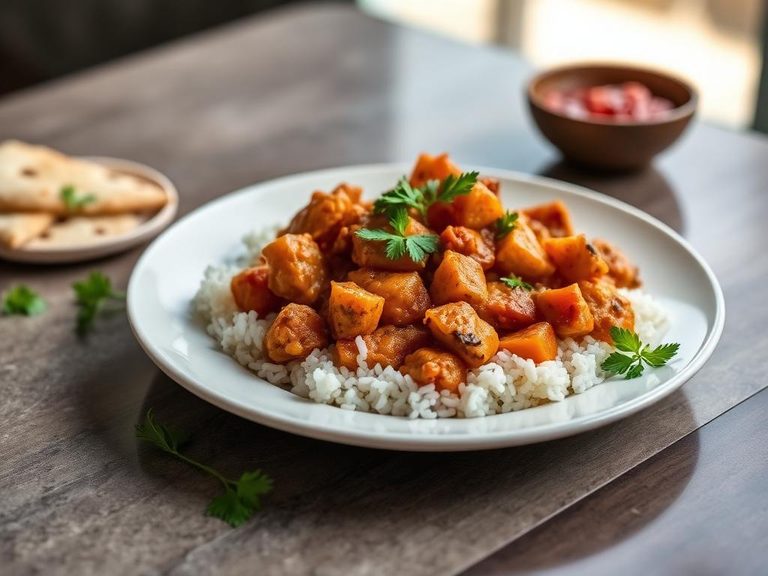
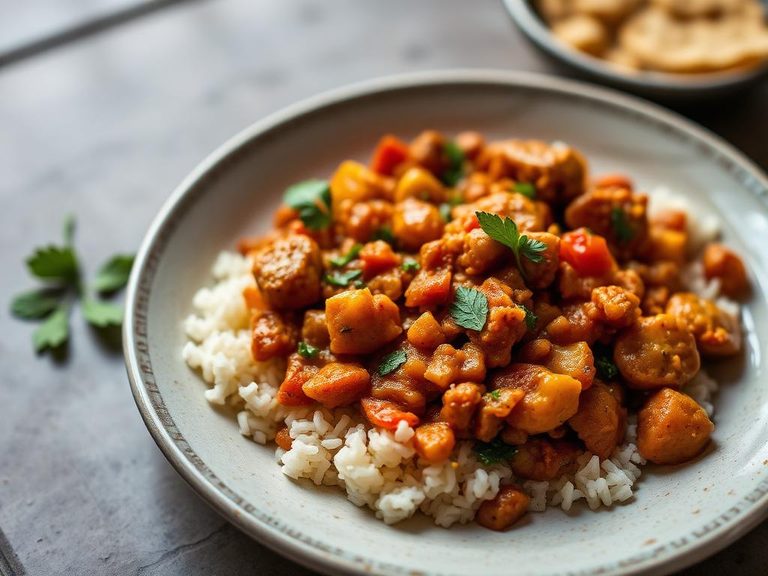
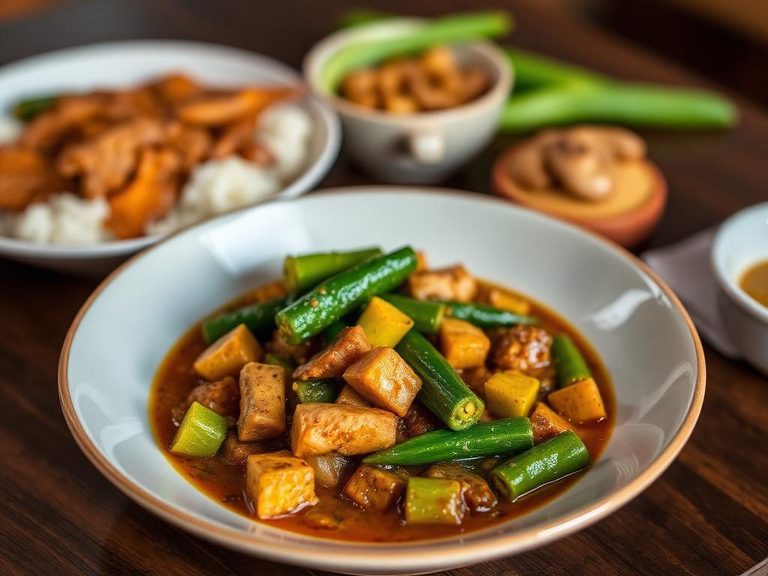
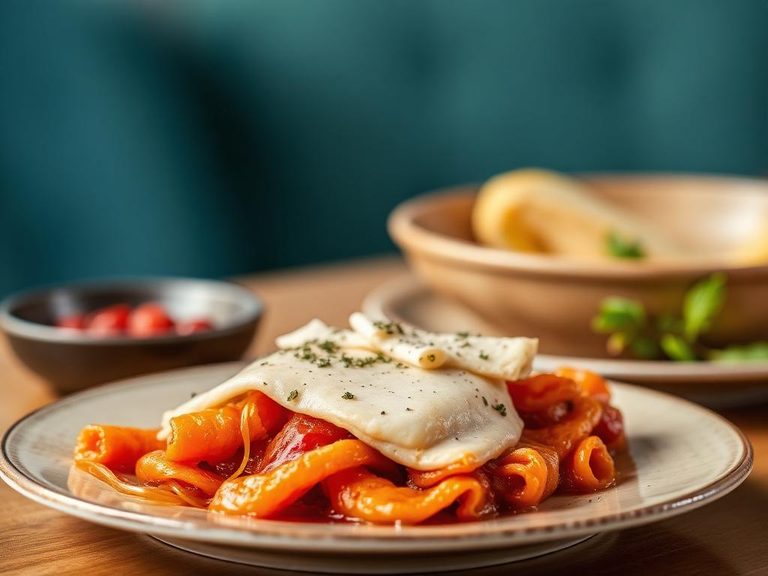
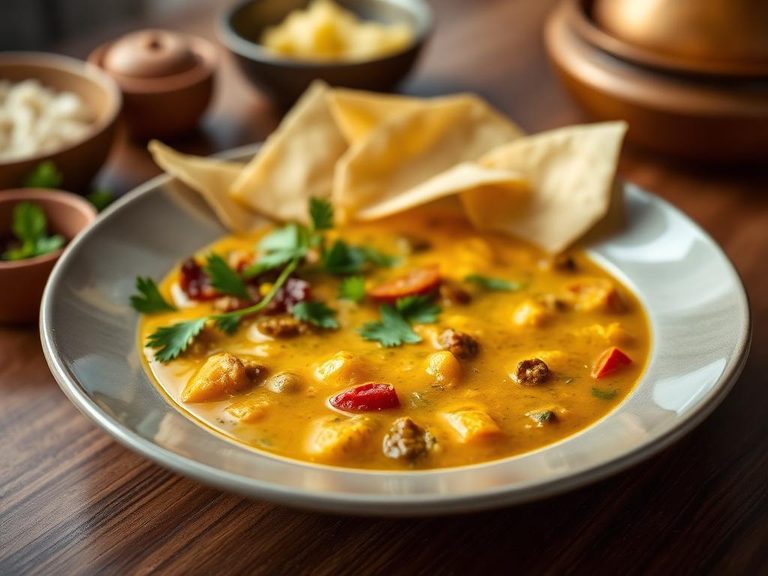
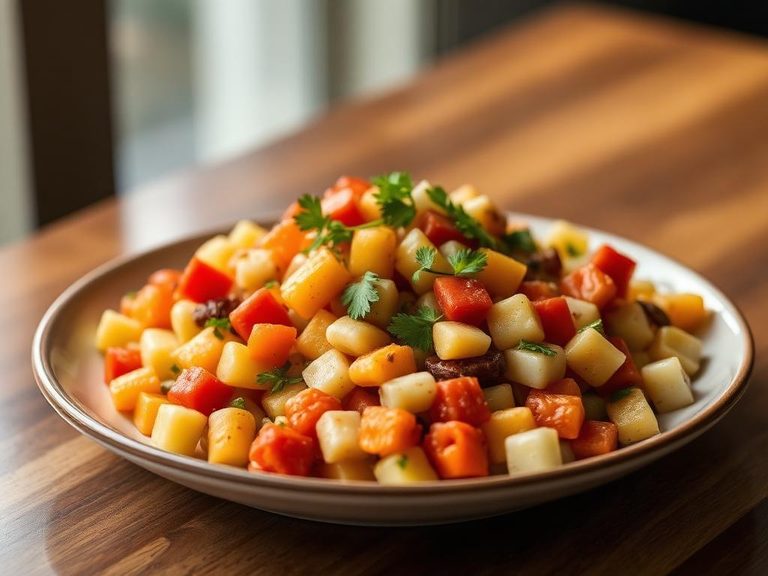
🍽️ Popular dishes
🌍 Where it's eaten
💡 Did you know?
Despite their name, hyacinth beans are not related to the hyacinth flower; they are named for the flower-like clusters of purple or white blossoms on the plant.
Full nutrition (USDA data · scales with serving)
| Water | 69.1 g |
| Energy | 117 kcal |
| Energy | 491 kj |
| Protein | 8.1 g |
| Total lipid (fat) | 0.58 g |
| Ash | 1.5 g |
| Carbohydrate, by difference | 20.7 g |
| Calcium, Ca | 40.0 mg |
| Iron, Fe | 4.6 mg |
| Magnesium, Mg | 82.0 mg |
| Phosphorus, P | 120 mg |
| Potassium, K | 337 mg |
| Sodium, Na | 7.0 mg |
| Zinc, Zn | 2.9 mg |
| Copper, Cu | 0.34 mg |
| Manganese, Mn | 0.48 mg |
| Selenium, Se | 2.8 ug |
| Vitamin C, total ascorbic acid | 0.00 mg |
| Thiamin | 0.27 mg |
| Riboflavin | 0.04 mg |
| Niacin | 0.41 mg |
| Pantothenic acid | 0.32 mg |
| Vitamin B-6 | 0.04 mg |
| Folate, total | 4.0 ug |
| Folic acid | 0.00 ug |
| Folate, food | 4.0 ug |
| Folate, DFE | 4.0 ug |
| Vitamin B-12 | 0.00 ug |
| Vitamin A, RAE | 0.00 ug |
| Retinol | 0.00 ug |
| Vitamin A, IU | 0.00 iu |
| Vitamin D (D2 + D3), International Units | 0.00 iu |
| Vitamin D (D2 + D3) | 0.00 ug |
Fat & fatty acid profile (per 100g)
| Fatty acids, total saturated | 0.10 g |
| Fatty acids, total monounsaturated | 0.03 g |
| MUFA 18:1 | 0.03 g |
| Fatty acids, total polyunsaturated | 0.24 g |
| PUFA 18:2 | 0.24 g |
| Fatty acids, total trans | 0.00 g |
| Cholesterol | 0.00 mg |
Amino acid profile (per 100g)
| Tryptophan | 0.07 g |
| Threonine | 0.32 g |
| Isoleucine | 0.39 g |
| Leucine | 0.69 g |
| Lysine | 0.56 g |
| Methionine | 0.07 g |
| Cystine | 0.10 g |
| Phenylalanine | 0.41 g |
| Tyrosine | 0.29 g |
| Valine | 0.42 g |
| Arginine | 0.60 g |
| Histidine | 0.23 g |
| Alanine | 0.36 g |
| Aspartic acid | 0.96 g |
| Glutamic acid | 1.3 g |
| Glycine | 0.35 g |
| Proline | 0.40 g |
| Serine | 0.45 g |
FAQ
What's the difference between hyacinth beans and other common beans?
Hyacinth beans (Lablab purpureus) are distinct in their flat, kidney-like shape and mild, nutty flavor. They are often used in specific regional cuisines, unlike more ubiquitous beans like black beans or kidney beans.
Are hyacinth beans the same as lima beans or butter beans?
No, they are different species. While both are large, flat legumes, hyacinth beans are typically thinner and have a different flavor profile. Lima beans (Phaseolus lunatus) are often creamier when cooked.
How should I store cooked hyacinth beans?
Store cooked, cooled beans in an airtight container in the refrigerator for up to 4 days. For longer storage, freeze them in portion-sized containers for up to 3 months.
Nutrient density (calculated · NRF9.3)
Nutrient Rich Foods index: beneficial nutrients (protein, fiber, vitamins, minerals) minus saturated fat, added sugar & sodium, per 100 kcal.
NRF9.3 index — Fulgoni, Keast & Drewnowski, 2009. Computed from USDA nutrients.
Weight-loss friendliness (composite index)
Energy density 1.17 kcal/g · 28% calories from protein · 0.0 g fiber · 0.0 g sugar per 100 g.
Composite of energy density (Rolls et al., 1999), protein & fiber satiety, minus sugar. A calculated heuristic — ranks satiety-per-calorie, not a clinical measure.
Dietary load (calculated from USDA values)
Potential renal acid load. Positive = acid-forming, negative = alkaline-forming.
Sodium-to-potassium ratio: 0.02 (lower is better — aim for ≤ 1)
Sodium:potassium per WHO potassium guidance. Computed from USDA nutrients.