

Horseradish sauce
Common food

Photo: Wikipedia
Horseradish sauce is a pungent, creamy condiment made from grated horseradish root, typically blended with sour cream, mayonnaise, or vinegar. Its sharp, sinus-clearing heat comes from allyl isothiocyanate, a volatile compound that delivers a fiery kick without the lingering burn of chili peppers. Nutritionally, it is very low in protein and carbohydrates but exceptionally high in fat, with over 50 grams per 100g, primarily from its creamy base.
Calorie split: 1% protein · 8% carbs · 91% fat
↓ Full nutrition💚 Why it's loved
People love horseradish sauce for its intense, invigorating heat that cuts through rich, fatty foods like roast beef or smoked fish, providing a sharp contrast that awakens the palate. Its versatility as a condiment and its deep-rooted cultural significance in European and North American cuisine make it a beloved staple for holidays and special meals.
⚠️ Watch-outs & how to enjoy it better
The high fat content, often from mayonnaise or sour cream, can be a concern for those monitoring calorie or saturated fat intake, and the intense pungency may be overwhelming for sensitive palates. To mitigate, use it sparingly as a flavor enhancer rather than a base, pair it with lean proteins or vegetables, and choose versions with a higher vinegar or yogurt content to reduce fat.
Key benefits
- Contains allyl isothiocyanate, a compound with potential antimicrobial properties
- Very low in protein and carbohydrates, making it suitable for low-carb diets
- Can stimulate digestion and appetite due to its pungent compounds
- Often used in small quantities, adding flavor without significant calorie load per serving
- May contain trace amounts of vitamin C and other antioxidants from the root
🍽️ Popular dishes
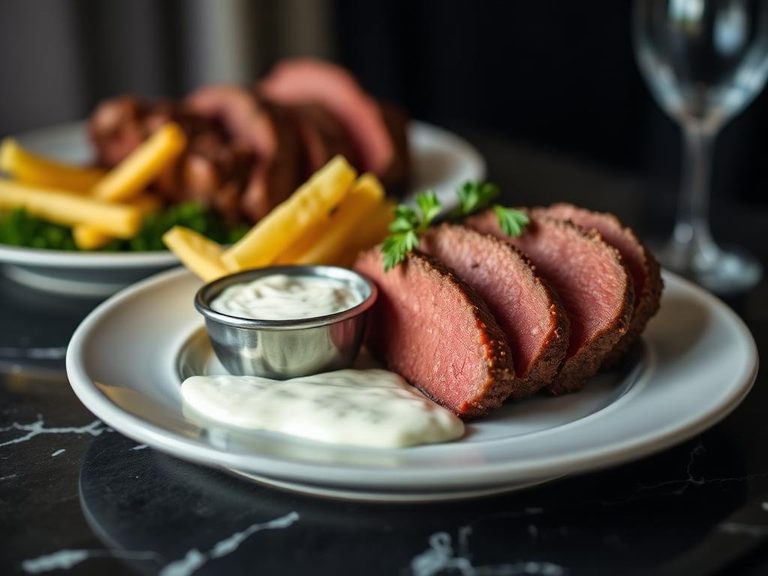
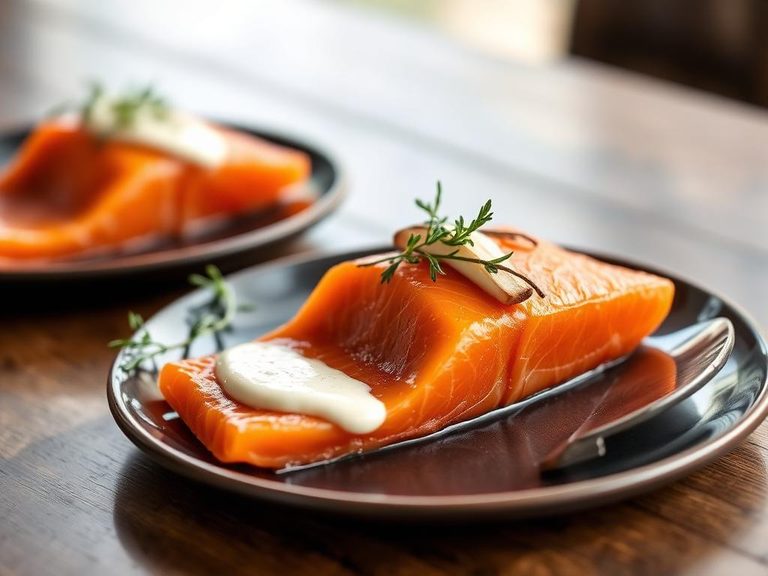
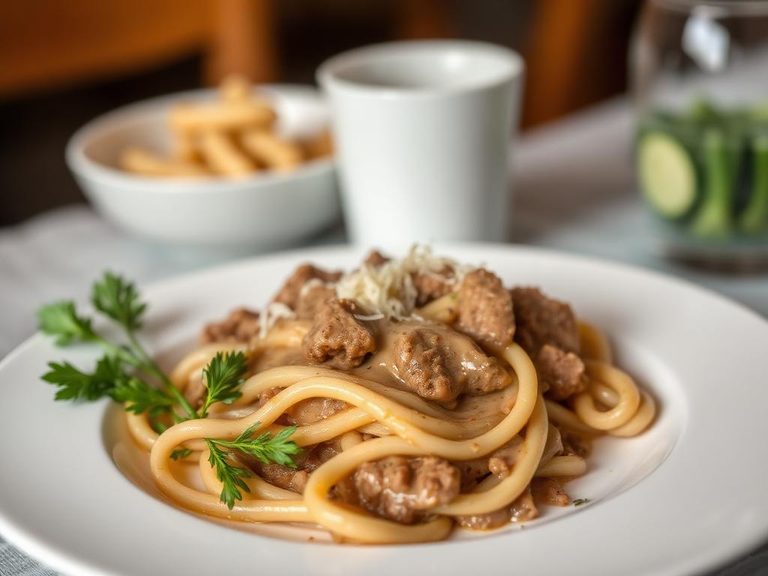
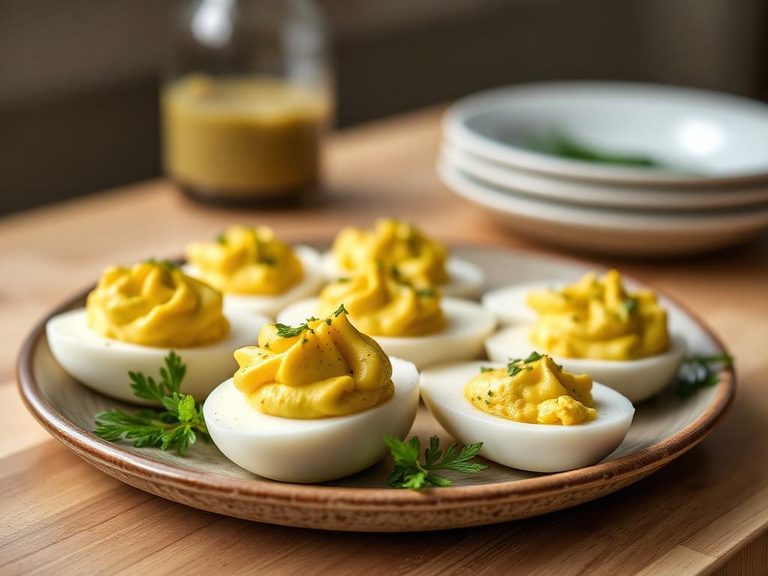
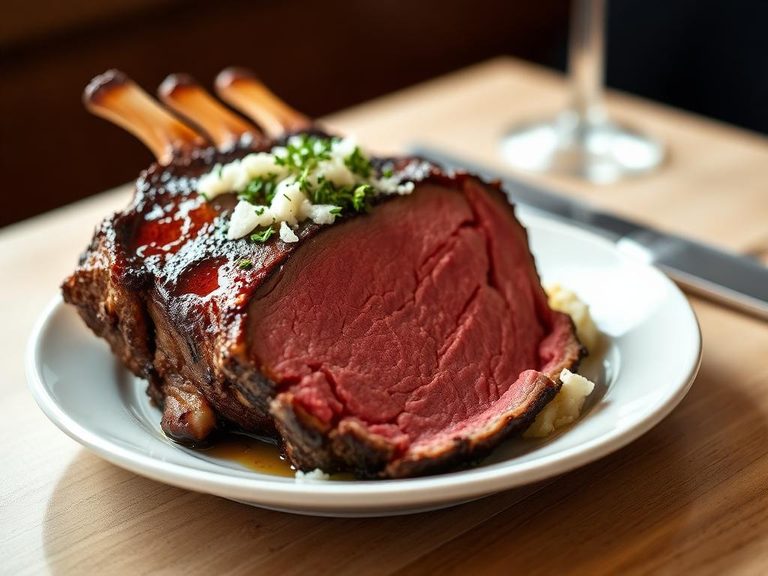
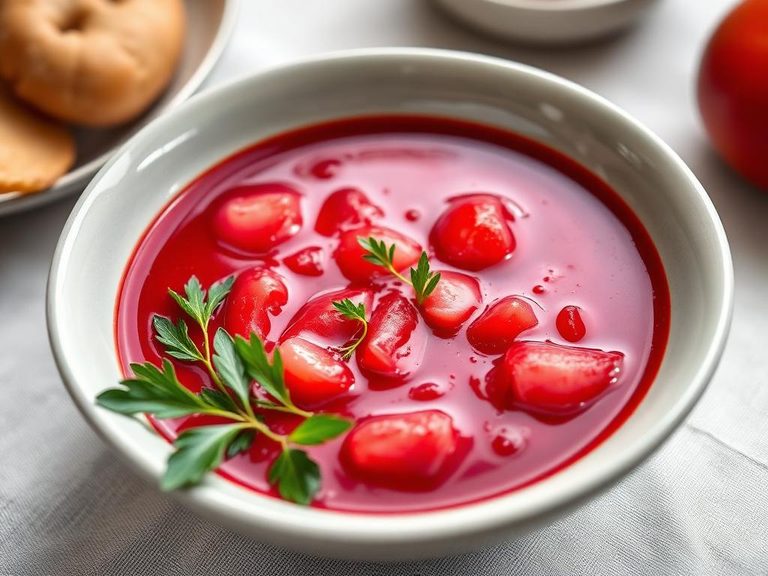
🌍 Where it's eaten
💡 Did you know?
Horseradish is a member of the Brassicaceae family, making it a relative of broccoli, cabbage, and mustard, and its pungent heat is released only when the root cells are crushed, which is why freshly grated horseradish is far more potent than pre-made sauce.
Full nutrition (USDA data · scales with serving)
| Water | 35.8 g |
| Energy | 503 kcal |
| Protein | 1.1 g |
| Total lipid (fat) | 50.9 g |
| Carbohydrate, by difference | 10.1 g |
| Fiber, total dietary | 1.0 g |
| Total Sugars | 9.0 g |
| Calcium, Ca | 12.0 mg |
| Iron, Fe | 0.23 mg |
| Magnesium, Mg | 6.0 mg |
| Phosphorus, P | 19.0 mg |
| Potassium, K | 44.0 mg |
| Sodium, Na | 730 mg |
| Zinc, Zn | 0.17 mg |
| Copper, Cu | 0.02 mg |
| Selenium, Se | 2.2 ug |
| Vitamin C, total ascorbic acid | 0.20 mg |
| Thiamin | 0.05 mg |
| Riboflavin | 0.04 mg |
| Niacin | 0.12 mg |
| Vitamin B-6 | 0.04 mg |
| Folate, total | 1.0 ug |
| Folic acid | 0.00 ug |
| Folate, food | 1.0 ug |
| Folate, DFE | 1.0 ug |
| Choline, total | 38.4 mg |
| Vitamin B-12 | 0.09 ug |
| Vitamin B-12, added | 0.00 ug |
| Vitamin A, RAE | 17.0 ug |
| Retinol | 17.0 ug |
| Carotene, beta | 4.0 ug |
| Carotene, alpha | 2.0 ug |
| Cryptoxanthin, beta | 2.0 ug |
| Lycopene | 0.00 ug |
| Lutein + zeaxanthin | 51.0 ug |
| Vitamin E (alpha-tocopherol) | 4.2 mg |
| Vitamin E, added | 0.00 mg |
| Vitamin D (D2 + D3) | 0.20 ug |
| Vitamin K (phylloquinone) | 91.3 ug |
| Alcohol, ethyl | 0.00 g |
| Caffeine | 0.00 mg |
| Theobromine | 0.00 mg |
Fat & fatty acid profile (per 100g)
| Fatty acids, total saturated | 8.2 g |
| SFA 4:0 | 0.00 g |
| SFA 6:0 | 0.00 g |
| SFA 8:0 | 0.00 g |
| SFA 10:0 | 0.01 g |
| SFA 12:0 | 0.01 g |
| SFA 14:0 | 0.04 g |
| SFA 16:0 | 5.4 g |
| SFA 18:0 | 2.3 g |
| Fatty acids, total monounsaturated | 13.1 g |
| MUFA 16:1 | 0.06 g |
| MUFA 18:1 | 12.5 g |
| MUFA 20:1 | 0.34 g |
| MUFA 22:1 | 0.13 g |
| Fatty acids, total polyunsaturated | 29.2 g |
| PUFA 18:2 | 25.5 g |
| PUFA 18:3 | 3.6 g |
| PUFA 18:4 | 0.00 g |
| PUFA 20:4 | 0.03 g |
| PUFA 20:5 n-3 (EPA) | 0.00 g |
| PUFA 22:5 n-3 (DPA) | 0.00 g |
| PUFA 22:6 n-3 (DHA) | 0.00 g |
| Cholesterol | 50.0 mg |
FAQ
Is horseradish sauce the same as prepared horseradish?
No, prepared horseradish is typically just grated horseradish root with vinegar and salt, while horseradish sauce is a creamy condiment that blends the root with sour cream, mayonnaise, or yogurt, making it milder and higher in fat.
Can I make horseradish sauce at home?
Yes, you can make it by mixing freshly grated horseradish root with sour cream or mayonnaise, adding a splash of vinegar and salt to taste, and adjusting the ratio for desired heat and creaminess.
How should I store horseradish sauce?
Store it in an airtight container in the refrigerator, where it will keep for about 1-2 weeks, though the heat may diminish over time; for longer storage, freeze the grated root or sauce in ice cube trays.
Nutrient density (calculated · NRF9.3)
Nutrient Rich Foods index: beneficial nutrients (protein, fiber, vitamins, minerals) minus saturated fat, added sugar & sodium, per 100 kcal.
NRF9.3 index — Fulgoni, Keast & Drewnowski, 2009. Computed from USDA nutrients.
Weight-loss friendliness (composite index)
Energy density 5.03 kcal/g · 1% calories from protein · 1.0 g fiber · 9.0 g sugar per 100 g.
Composite of energy density (Rolls et al., 1999), protein & fiber satiety, minus sugar. A calculated heuristic — ranks satiety-per-calorie, not a clinical measure.
Dietary load (calculated from USDA values)
Potential renal acid load. Positive = acid-forming, negative = alkaline-forming.
Sodium-to-potassium ratio: 16.59 (lower is better — aim for ≤ 1)
Sodium:potassium per WHO potassium guidance. Computed from USDA nutrients.