

Guacamole with tomatoes
Common food
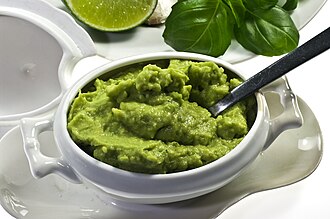
Photo: Wikipedia
A vibrant, chunky dip made from ripe avocados mashed with diced tomatoes, lime juice, and seasonings. It offers a creamy, rich texture punctuated by juicy bursts of tomato and a bright, zesty finish. Nutritionally, it's a powerhouse of heart-healthy monounsaturated fats and significant dietary fiber.
Calorie split: 5% protein · 21% carbs · 75% fat
↓ Full nutrition💚 Why it's loved
People adore its perfect balance of creamy richness and fresh acidity, making it an endlessly versatile topping or dip. It's a cultural icon of Mexican cuisine, central to celebrations and casual gatherings alike.
⚠️ Watch-outs & how to enjoy it better
Its high calorie and fat content from avocados can be a concern for strict calorie control. The primary fat is healthy, but portion awareness is key. To counteract, enjoy it as a primary dip with veggie sticks (cucumber, bell pepper) instead of calorie-dense chips, or use it as a spread in smaller amounts.
Key benefits
- Excellent source of monounsaturated fats
- High in dietary fiber for digestive health
- Provides potassium for electrolyte balance
- Contains antioxidants like lycopene from tomatoes
- Naturally gluten-free and low in sugar
🍽️ Popular dishes
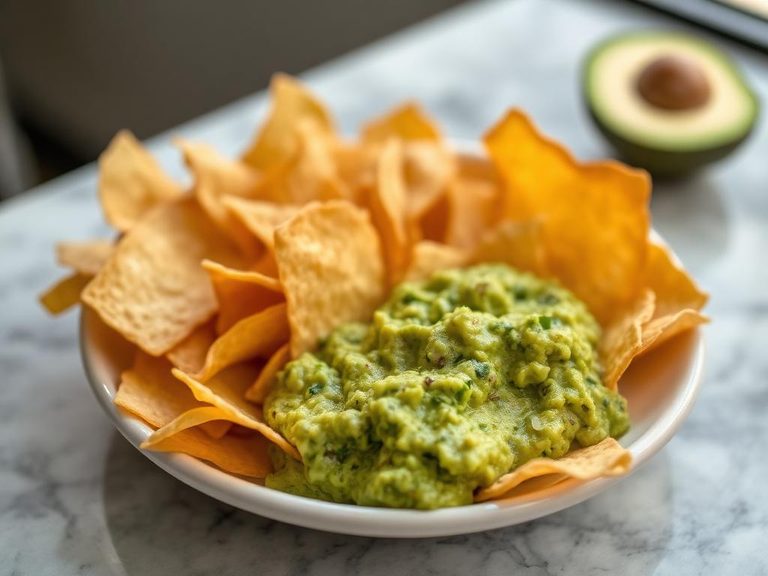
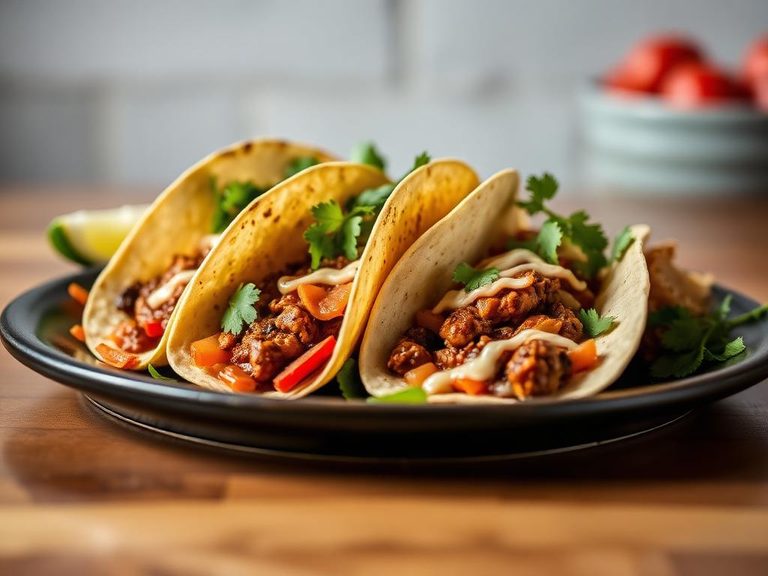
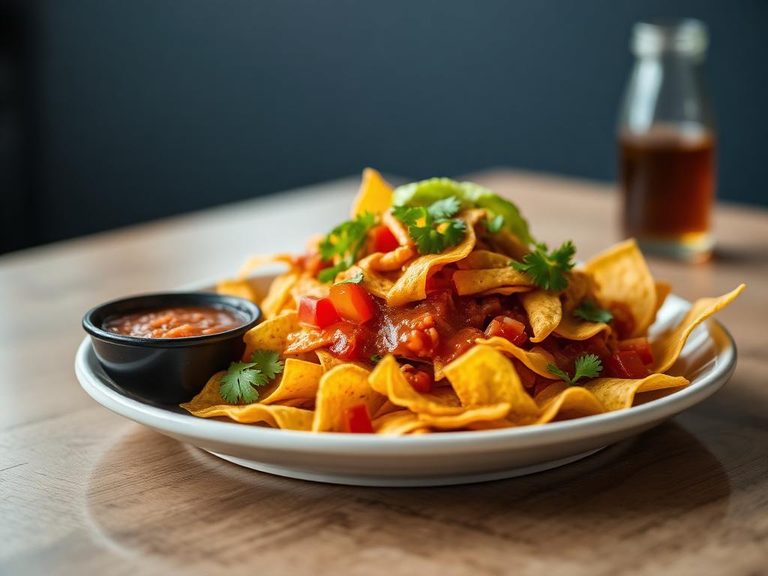
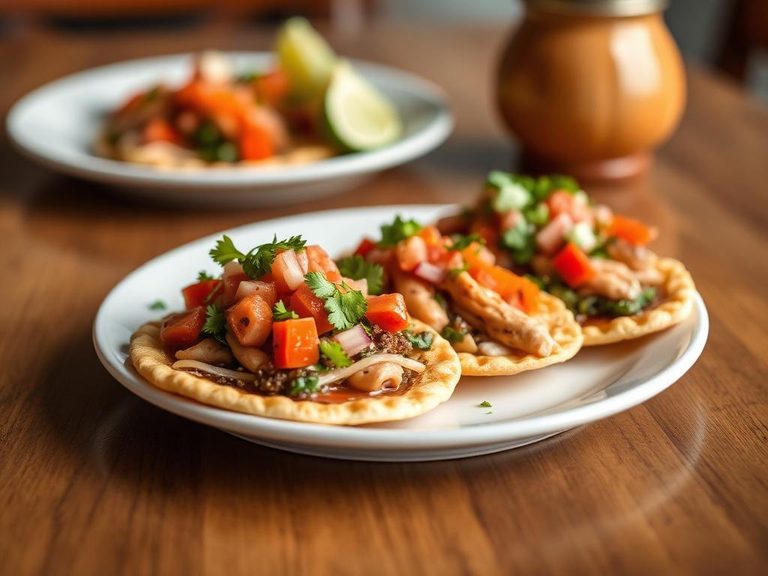
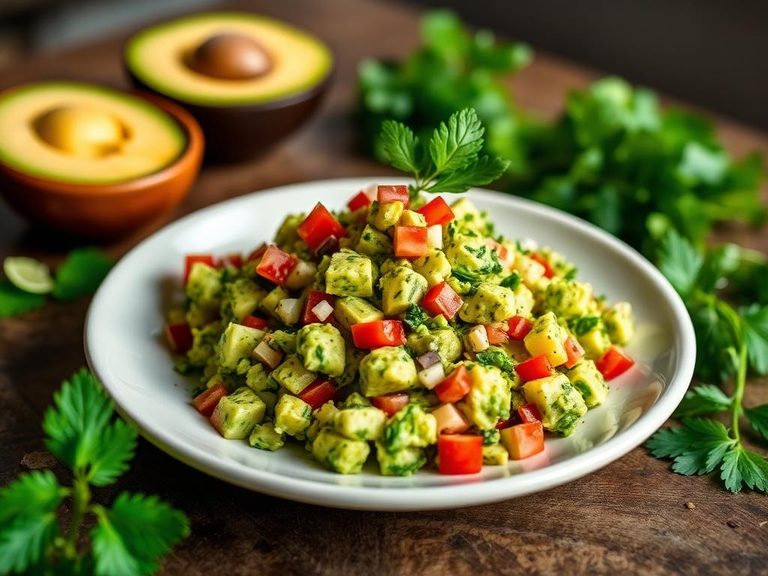
🌍 Where it's eaten
💡 Did you know?
The name 'guacamole' comes from the Nahuatl word 'āhuacamōlli', which literally translates to 'avocado sauce'.
Full nutrition (USDA data · scales with serving)
| Water | 74.7 g |
| Energy | 145 kcal |
| Protein | 1.9 g |
| Total lipid (fat) | 13.1 g |
| Carbohydrate, by difference | 8.1 g |
| Fiber, total dietary | 6.1 g |
| Total Sugars | 0.87 g |
| Calcium, Ca | 12.0 mg |
| Iron, Fe | 0.52 mg |
| Magnesium, Mg | 27.0 mg |
| Phosphorus, P | 49.0 mg |
| Potassium, K | 454 mg |
| Sodium, Na | 317 mg |
| Zinc, Zn | 0.59 mg |
| Copper, Cu | 0.17 mg |
| Selenium, Se | 0.40 ug |
| Vitamin C, total ascorbic acid | 10.5 mg |
| Thiamin | 0.06 mg |
| Riboflavin | 0.12 mg |
| Niacin | 1.6 mg |
| Vitamin B-6 | 0.24 mg |
| Folate, total | 74.0 ug |
| Folic acid | 0.00 ug |
| Folate, food | 74.0 ug |
| Folate, DFE | 74.0 ug |
| Choline, total | 13.3 mg |
| Vitamin B-12 | 0.00 ug |
| Vitamin B-12, added | 0.00 ug |
| Vitamin A, RAE | 10.0 ug |
| Retinol | 0.00 ug |
| Carotene, beta | 90.0 ug |
| Carotene, alpha | 29.0 ug |
| Cryptoxanthin, beta | 25.0 ug |
| Lycopene | 201 ug |
| Lutein + zeaxanthin | 251 ug |
| Vitamin E (alpha-tocopherol) | 1.9 mg |
| Vitamin E, added | 0.00 mg |
| Vitamin D (D2 + D3) | 0.00 ug |
| Vitamin K (phylloquinone) | 19.3 ug |
| Alcohol, ethyl | 0.00 g |
| Caffeine | 0.00 mg |
| Theobromine | 0.00 mg |
Fat & fatty acid profile (per 100g)
| Fatty acids, total saturated | 1.9 g |
| SFA 4:0 | 0.00 g |
| SFA 6:0 | 0.00 g |
| SFA 8:0 | 0.00 g |
| SFA 10:0 | 0.00 g |
| SFA 12:0 | 0.00 g |
| SFA 14:0 | 0.00 g |
| SFA 16:0 | 1.9 g |
| SFA 18:0 | 0.04 g |
| Fatty acids, total monounsaturated | 8.7 g |
| MUFA 16:1 | 0.62 g |
| MUFA 18:1 | 8.1 g |
| MUFA 20:1 | 0.02 g |
| MUFA 22:1 | 0.00 g |
| Fatty acids, total polyunsaturated | 1.6 g |
| PUFA 18:2 | 1.5 g |
| PUFA 18:3 | 0.11 g |
| PUFA 18:4 | 0.00 g |
| PUFA 20:4 | 0.00 g |
| PUFA 20:5 n-3 (EPA) | 0.00 g |
| PUFA 22:5 n-3 (DPA) | 0.00 g |
| PUFA 22:6 n-3 (DHA) | 0.00 g |
| Cholesterol | 0.00 mg |
FAQ
How do I keep guacamole from turning brown?
Press plastic wrap directly onto the surface of the guacamole to eliminate air contact, or store it with the avocado pit. A squeeze of extra lime juice on the surface also helps slow oxidation.
Is guacamole healthy?
Yes, it's nutrient-dense, rich in healthy fats, fiber, and vitamins. However, it's calorie-dense, so mindful portioning is recommended, especially when paired with high-calorie chips.
Can I make guacamole without tomatoes?
Absolutely. A classic 'guacamole simple' often omits tomatoes, focusing on avocado, lime, salt, onion, and cilantro. The tomato adds moisture and a sweet-tart note but isn't essential.
Nutrient density (calculated · NRF9.3)
Nutrient Rich Foods index: beneficial nutrients (protein, fiber, vitamins, minerals) minus saturated fat, added sugar & sodium, per 100 kcal.
NRF9.3 index — Fulgoni, Keast & Drewnowski, 2009. Computed from USDA nutrients.
Weight-loss friendliness (composite index)
Energy density 1.45 kcal/g · 5% calories from protein · 6.1 g fiber · 0.9 g sugar per 100 g.
Composite of energy density (Rolls et al., 1999), protein & fiber satiety, minus sugar. A calculated heuristic — ranks satiety-per-calorie, not a clinical measure.
Dietary load (calculated from USDA values)
Potential renal acid load. Positive = acid-forming, negative = alkaline-forming.
Sodium-to-potassium ratio: 0.70 (lower is better — aim for ≤ 1)
Sodium:potassium per WHO potassium guidance. Computed from USDA nutrients.