

Game meat, horse, raw
Whole food · Lamb, Veal, and Game Products

Photo: Wikipedia
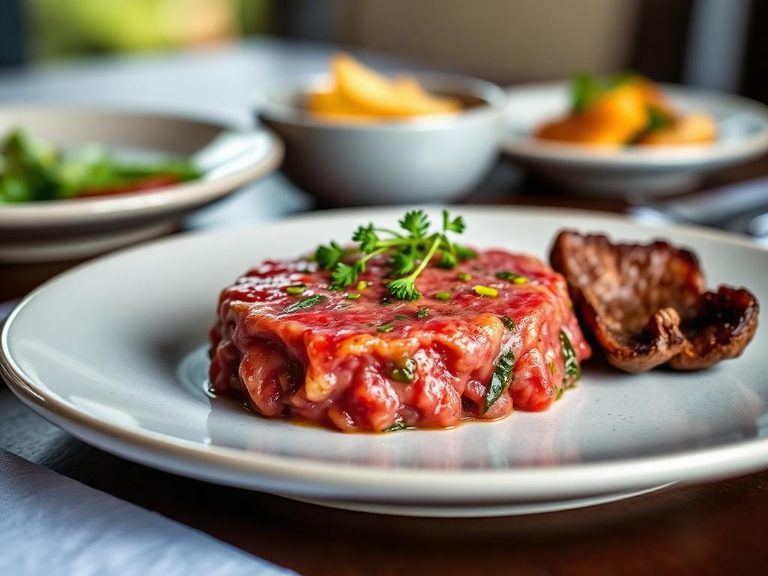
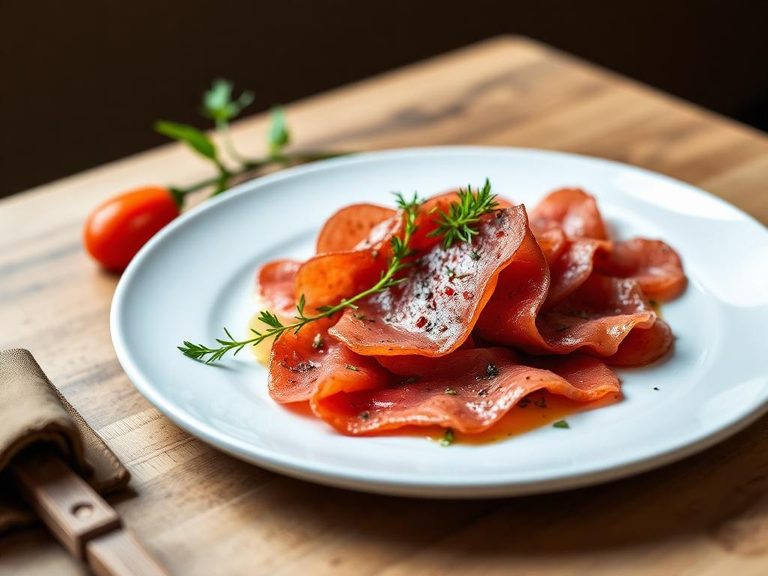
Raw horse meat, known as 'basashi' in Japan, is a lean, deep-red delicacy prized for its tender, almost buttery texture and subtly sweet, mineral-rich flavor. It is exceptionally high in protein and remarkably low in fat, making it one of the most nutrient-dense red meats available. Served thinly sliced and chilled, it offers a clean, umami-forward taste that is both primal and refined.
Calorie split: 67% protein · 0% carbs · 33% fat
↓ Full nutrition💚 Why it's loved
People love horse meat for its unique, delicate sweetness and melt-in-the-mouth tenderness, especially when served raw as sashimi. Its versatility allows it to be enjoyed in everything from simple carpaccio to rich stews, and it holds deep cultural significance in countries like Japan, France, and Central Asia.
⚠️ Watch-outs & how to enjoy it better
Some may find the concept of eating horse meat ethically or culturally challenging, and its strong mineral flavor can be off-putting to those accustomed to milder meats. To mitigate any potential iron-related digestive discomfort, it is best paired with vitamin C-rich foods like citrus or pickled vegetables, which also enhance iron absorption. Always source from reputable suppliers to ensure food safety for raw consumption.
Key benefits
- Extremely high in protein (21.39g per 100g) for muscle repair and satiety
- Very low in fat (4.6g per 100g), making it a lean red meat option
- Rich in iron and B vitamins, supporting energy and blood health
- Naturally zero in carbohydrates and sugar, ideal for low-carb diets
- Contains conjugated linoleic acid (CLA), a fatty acid linked to metabolic benefits
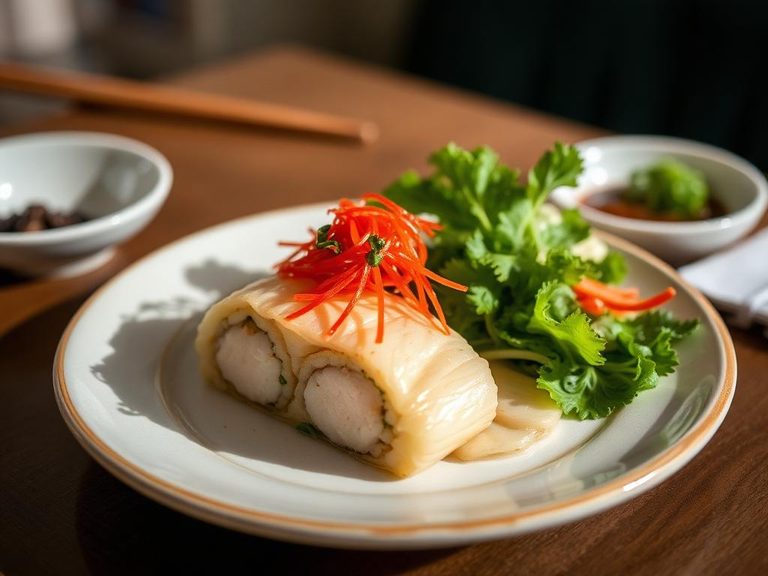
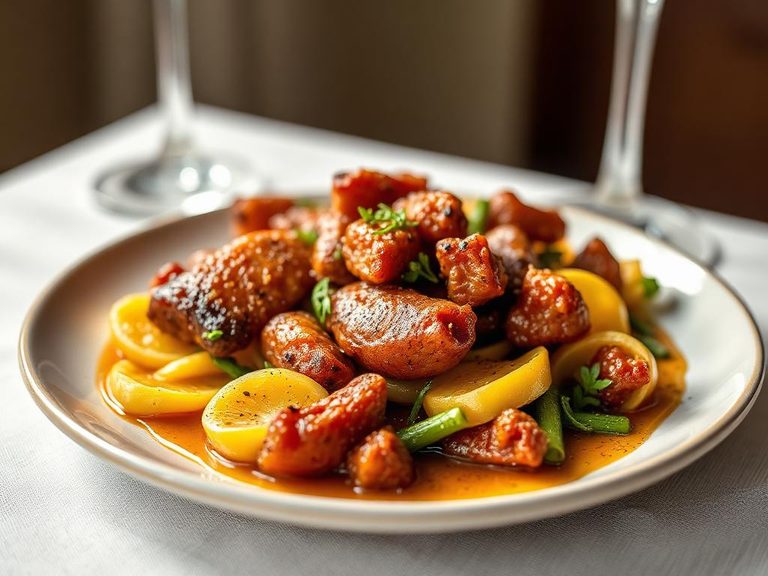
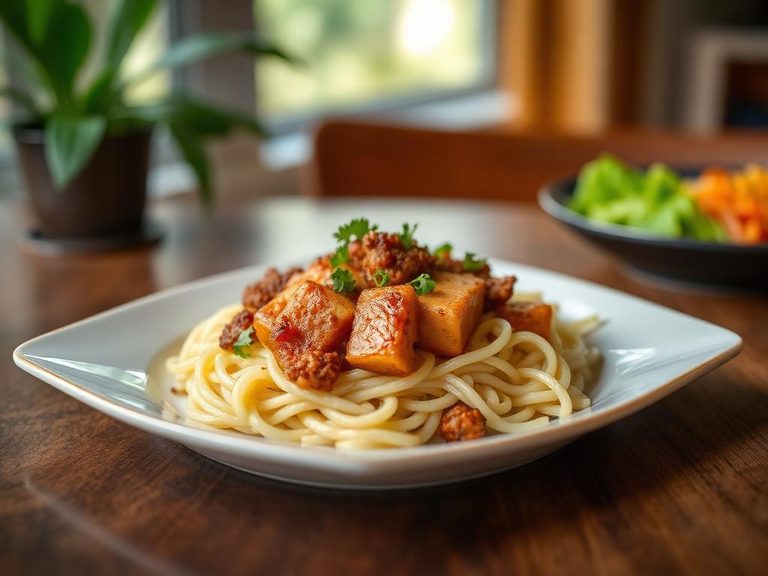
🍽️ Popular dishes
🌍 Where it's eaten
💡 Did you know?
In Japan, horse meat is poetically called 'sakura niku' (cherry blossom meat) because its vibrant red color is said to resemble the petals of a cherry blossom.
Full nutrition (USDA data · scales with serving)
| Water | 72.6 g |
| Energy | 133 kcal |
| Energy | 556 kj |
| Protein | 21.4 g |
| Total lipid (fat) | 4.6 g |
| Ash | 0.99 g |
| Carbohydrate, by difference | 0.00 g |
| Fiber, total dietary | 0.00 g |
| Calcium, Ca | 6.0 mg |
| Iron, Fe | 3.8 mg |
| Magnesium, Mg | 24.0 mg |
| Phosphorus, P | 221 mg |
| Potassium, K | 360 mg |
| Sodium, Na | 53.0 mg |
| Zinc, Zn | 2.9 mg |
| Copper, Cu | 0.14 mg |
| Manganese, Mn | 0.02 mg |
| Selenium, Se | 10.1 ug |
| Vitamin C, total ascorbic acid | 1.0 mg |
| Thiamin | 0.13 mg |
| Riboflavin | 0.10 mg |
| Niacin | 4.6 mg |
| Vitamin B-6 | 0.38 mg |
| Vitamin B-12 | 3.0 ug |
| Vitamin A, RAE | 0.00 ug |
| Retinol | 0.00 ug |
| Vitamin A, IU | 0.00 iu |
Fat & fatty acid profile (per 100g)
| Fatty acids, total saturated | 1.4 g |
| SFA 12:0 | 0.01 g |
| SFA 14:0 | 0.17 g |
| SFA 16:0 | 1.1 g |
| SFA 18:0 | 0.16 g |
| Fatty acids, total monounsaturated | 1.6 g |
| MUFA 16:1 | 0.31 g |
| MUFA 18:1 | 1.3 g |
| Fatty acids, total polyunsaturated | 0.65 g |
| PUFA 18:2 | 0.29 g |
| PUFA 18:3 | 0.36 g |
| Cholesterol | 52.0 mg |
Amino acid profile (per 100g)
| Tryptophan | 0.27 g |
| Threonine | 0.96 g |
| Isoleucine | 1.0 g |
| Leucine | 1.7 g |
| Lysine | 1.8 g |
| Methionine | 0.47 g |
| Cystine | 0.30 g |
| Phenylalanine | 0.88 g |
| Tyrosine | 0.67 g |
| Valine | 1.1 g |
| Arginine | 1.4 g |
| Histidine | 0.82 g |
| Alanine | 1.2 g |
| Aspartic acid | 2.1 g |
| Glutamic acid | 3.1 g |
| Glycine | 1.0 g |
| Proline | 0.99 g |
| Serine | 0.82 g |
FAQ
Is raw horse meat safe to eat?
Yes, when sourced from reputable suppliers and handled under strict food safety standards, raw horse meat is safe to consume, as is common in Japanese sashimi culture.
How does horse meat taste compared to beef?
Horse meat is generally leaner, sweeter, and more tender than beef, with a subtle, clean flavor and less of the strong, gamey taste found in some other red meats.
Is horse meat high in cholesterol?
Horse meat has a moderate cholesterol content, similar to other red meats, but its low fat and high protein profile make it a heart-healthy choice when consumed in moderation.
Nutrient density (calculated · NRF9.3)
Nutrient Rich Foods index: beneficial nutrients (protein, fiber, vitamins, minerals) minus saturated fat, added sugar & sodium, per 100 kcal.
NRF9.3 index — Fulgoni, Keast & Drewnowski, 2009. Computed from USDA nutrients.
Weight-loss friendliness (composite index)
Energy density 1.33 kcal/g · 64% calories from protein · 0.0 g fiber · 0.0 g sugar per 100 g.
Composite of energy density (Rolls et al., 1999), protein & fiber satiety, minus sugar. A calculated heuristic — ranks satiety-per-calorie, not a clinical measure.
Dietary load (calculated from USDA values)
Potential renal acid load. Positive = acid-forming, negative = alkaline-forming.
Sodium-to-potassium ratio: 0.15 (lower is better — aim for ≤ 1)
Sodium:potassium per WHO potassium guidance. Computed from USDA nutrients.