

Game meat, horse, cooked, roasted
Whole food · Lamb, Veal, and Game Products

Photo: Wikipedia
Horse meat, when roasted, transforms into a lean, deeply savory protein with a texture finer than beef and a subtle, slightly sweet undertone. Its nutrition profile is strikingly high in protein while being virtually free of carbohydrates, making it a powerhouse for muscle maintenance. The cooked meat often develops a rich, dark crust from the Maillard reaction, enhancing its complex, gamey flavor.
Calorie split: 67% protein · 0% carbs · 33% fat
↓ Full nutrition💚 Why it's loved
Enthusiasts prize its clean, robust flavor that carries marinades and spices exceptionally well without being overpowering. Its cultural significance in many European and Central Asian cuisines adds a layer of tradition and unique culinary identity to the dish.
⚠️ Watch-outs & how to enjoy it better
The strong, distinctive flavor can be off-putting to those accustomed to milder meats, and its texture can become dry if overcooked. Those with specific metabolic conditions or who are sensitive to purines should moderate intake; pairing it with fibrous vegetables like roasted root vegetables can aid digestion.
Key benefits
- Exceptionally high in complete protein per calorie.
- Naturally zero carbohydrates and very low in fat.
- Rich in iron and B vitamins, particularly B12.
- A lean alternative to red meats like beef or lamb.
🍽️ Popular dishes
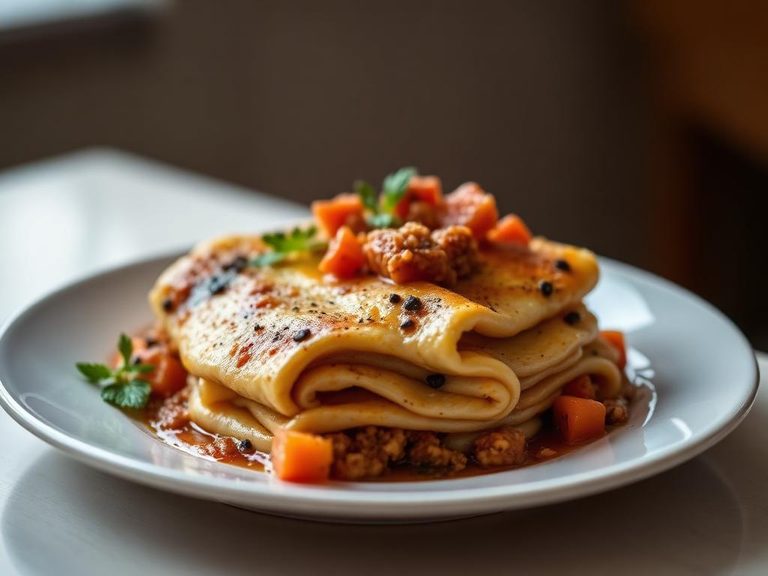
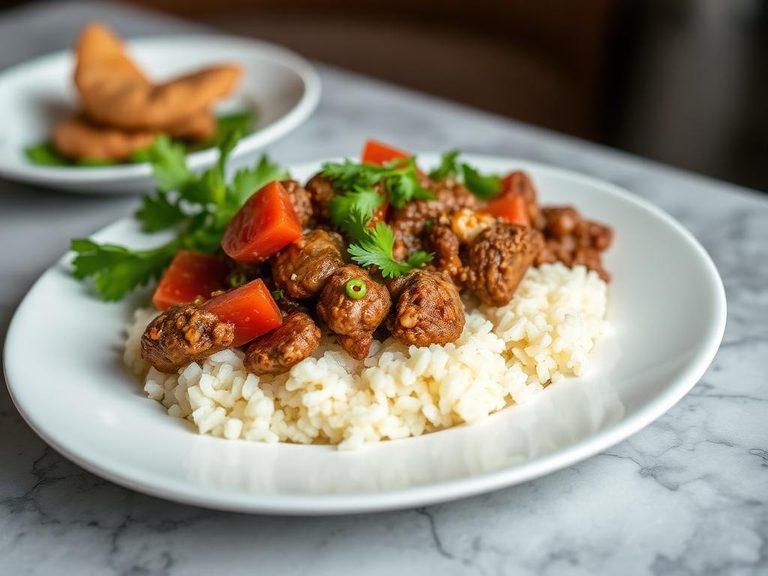
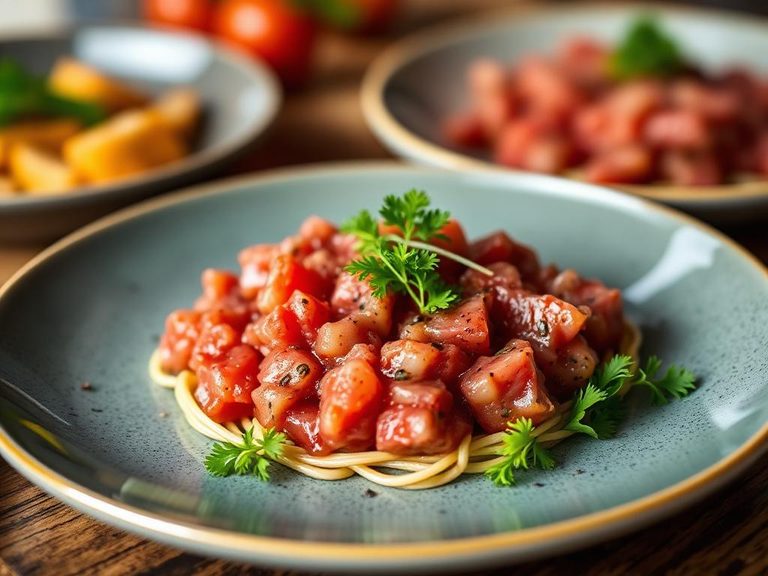
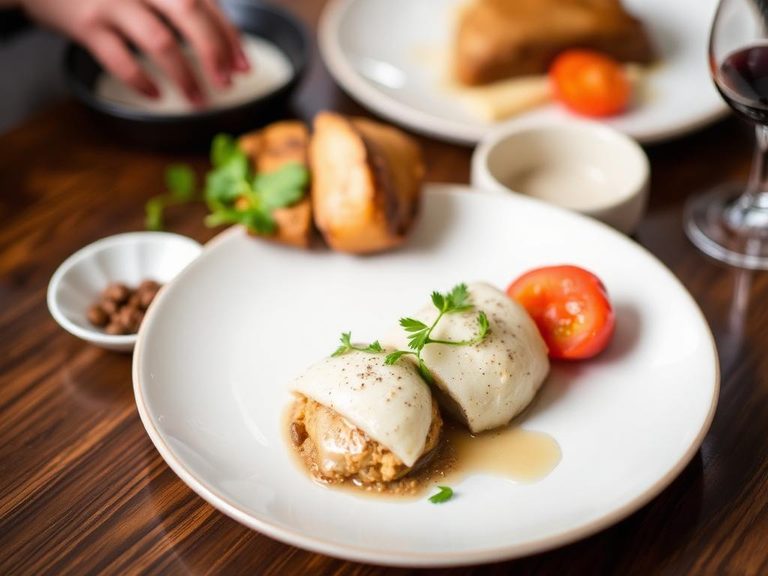
🌍 Where it's eaten
💡 Did you know?
In Italy, particularly in the Veneto region, horse meat is traditionally stewed in red wine for hours until it becomes 'pastissada,' a dish so beloved it has its own dedicated festival.
Full nutrition (USDA data · scales with serving)
| Water | 64.0 g |
| Energy | 175 kcal |
| Energy | 732 kj |
| Protein | 28.1 g |
| Total lipid (fat) | 6.0 g |
| Ash | 1.3 g |
| Carbohydrate, by difference | 0.00 g |
| Fiber, total dietary | 0.00 g |
| Calcium, Ca | 8.0 mg |
| Iron, Fe | 5.0 mg |
| Magnesium, Mg | 25.0 mg |
| Phosphorus, P | 247 mg |
| Potassium, K | 379 mg |
| Sodium, Na | 55.0 mg |
| Zinc, Zn | 3.8 mg |
| Copper, Cu | 0.17 mg |
| Manganese, Mn | 0.02 mg |
| Selenium, Se | 13.5 ug |
| Vitamin C, total ascorbic acid | 2.0 mg |
| Thiamin | 0.10 mg |
| Riboflavin | 0.12 mg |
| Niacin | 4.8 mg |
| Vitamin B-6 | 0.33 mg |
| Vitamin B-12 | 3.2 ug |
| Vitamin A, RAE | 0.00 ug |
| Retinol | 0.00 ug |
| Vitamin A, IU | 0.00 iu |
Fat & fatty acid profile (per 100g)
| Fatty acids, total saturated | 1.9 g |
| SFA 12:0 | 0.01 g |
| SFA 14:0 | 0.22 g |
| SFA 16:0 | 1.4 g |
| SFA 18:0 | 0.20 g |
| Fatty acids, total monounsaturated | 2.1 g |
| MUFA 16:1 | 0.41 g |
| MUFA 18:1 | 1.7 g |
| Fatty acids, total polyunsaturated | 0.85 g |
| PUFA 18:2 | 0.38 g |
| PUFA 18:3 | 0.47 g |
| Cholesterol | 68.0 mg |
Amino acid profile (per 100g)
| Tryptophan | 0.35 g |
| Threonine | 1.3 g |
| Isoleucine | 1.3 g |
| Leucine | 2.2 g |
| Lysine | 2.4 g |
| Methionine | 0.62 g |
| Cystine | 0.39 g |
| Phenylalanine | 1.2 g |
| Tyrosine | 0.88 g |
| Valine | 1.5 g |
| Arginine | 1.8 g |
| Histidine | 1.1 g |
| Alanine | 1.6 g |
| Aspartic acid | 2.8 g |
| Glutamic acid | 4.1 g |
| Glycine | 1.4 g |
| Proline | 1.3 g |
| Serine | 1.1 g |
FAQ
How does the taste of horse meat compare to beef?
Horse meat is generally leaner with a finer grain, offering a slightly sweeter, more complex flavor that's often described as richer and less 'beefy' than conventional red meat.
Is horse meat safe to eat raw?
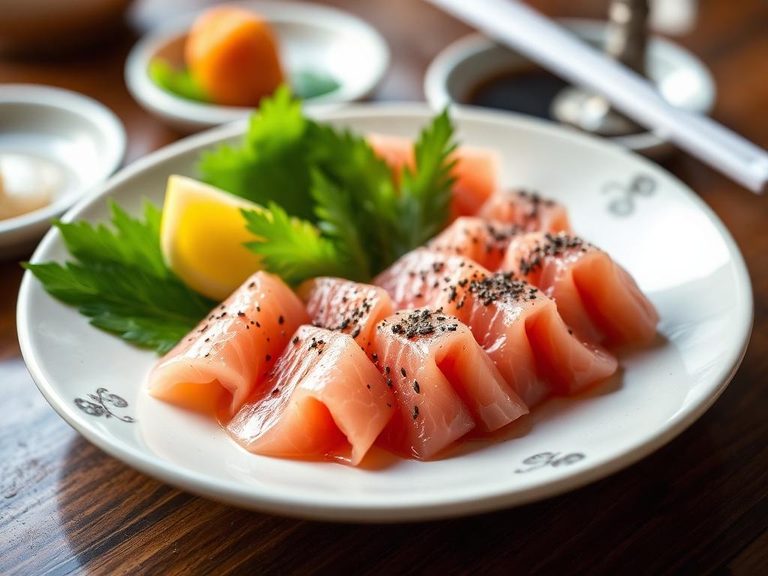
In certain culinary traditions like French or Japanese, it is served raw as tartare or sashimi, but this requires exceptionally fresh, high-quality meat handled under strict food safety protocols.
Why is horse meat not commonly sold in supermarkets in some countries?
Cultural and ethical preferences vary widely; in many English-speaking countries, horses are primarily viewed as companion animals, leading to a lack of commercial demand and regulatory infrastructure for its sale.
Nutrient density (calculated · NRF9.3)
Nutrient Rich Foods index: beneficial nutrients (protein, fiber, vitamins, minerals) minus saturated fat, added sugar & sodium, per 100 kcal.
NRF9.3 index — Fulgoni, Keast & Drewnowski, 2009. Computed from USDA nutrients.
Weight-loss friendliness (composite index)
Energy density 1.75 kcal/g · 64% calories from protein · 0.0 g fiber · 0.0 g sugar per 100 g.
Composite of energy density (Rolls et al., 1999), protein & fiber satiety, minus sugar. A calculated heuristic — ranks satiety-per-calorie, not a clinical measure.
Dietary load (calculated from USDA values)
Potential renal acid load. Positive = acid-forming, negative = alkaline-forming.
Sodium-to-potassium ratio: 0.15 (lower is better — aim for ≤ 1)
Sodium:potassium per WHO potassium guidance. Computed from USDA nutrients.