

Fritter, plain
Common food

Photo: Wikipedia
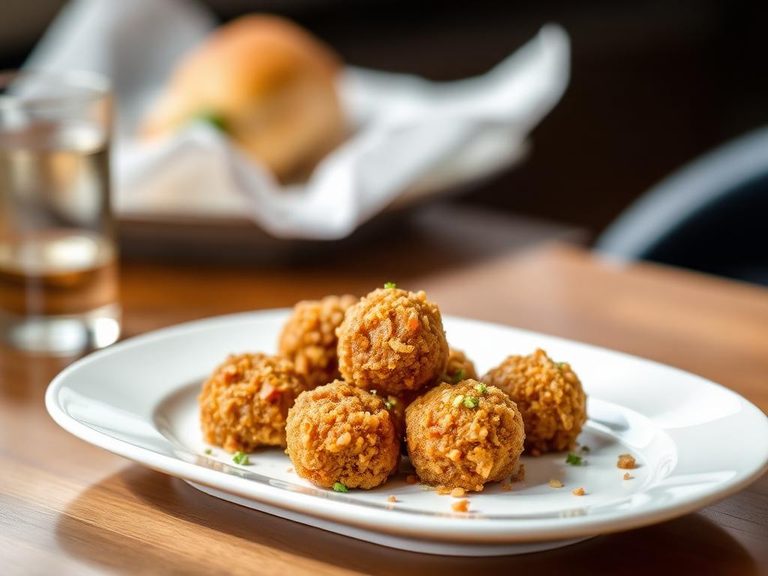
A plain fritter is a simple, savory pancake made from a batter of flour, liquid, and often eggs, fried until the exterior is golden and crisp while the interior remains soft and tender. Its flavor is mild and slightly salty, acting as a neutral canvas for spices or dips. Nutritionally, it is a calorie-dense food, providing a significant amount of energy primarily from fats and carbohydrates, with a modest protein contribution.
Calorie split: 7% protein · 29% carbs · 64% fat
↓ Full nutrition💚 Why it's loved
People love plain fritters for their comforting, crispy texture and their incredible versatility—they can be a side dish, a snack, or a base for a meal, easily customized with herbs, spices, or dipping sauces. Their simplicity and golden-brown appeal make them a universally comforting and satisfying food across many cultures.
⚠️ Watch-outs & how to enjoy it better
The primary downside is its high fat and calorie content from frying, which can contribute to weight gain if consumed in excess, and the refined carbohydrates can cause rapid blood-sugar spikes. To counteract this, pair a small portion with a source of protein (like yogurt or beans) and fiber-rich vegetables to slow digestion, and consider baking or air-frying as a lower-fat cooking alternative.
Key benefits
- Provides a quick source of energy from carbohydrates and fats
- Can be a simple, inexpensive way to use leftover vegetables or grains
- Serves as a versatile base for many spices and seasonings
- Offers a small amount of protein from the batter's eggs or flour
🍽️ Popular dishes
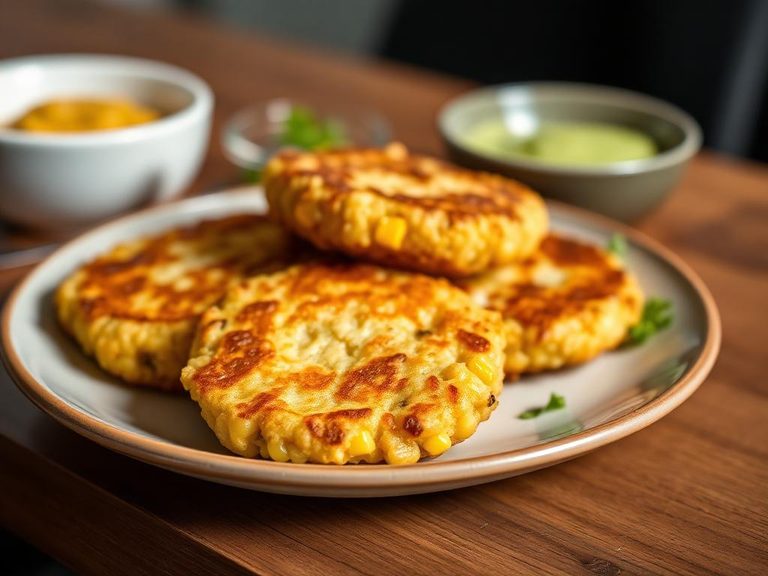
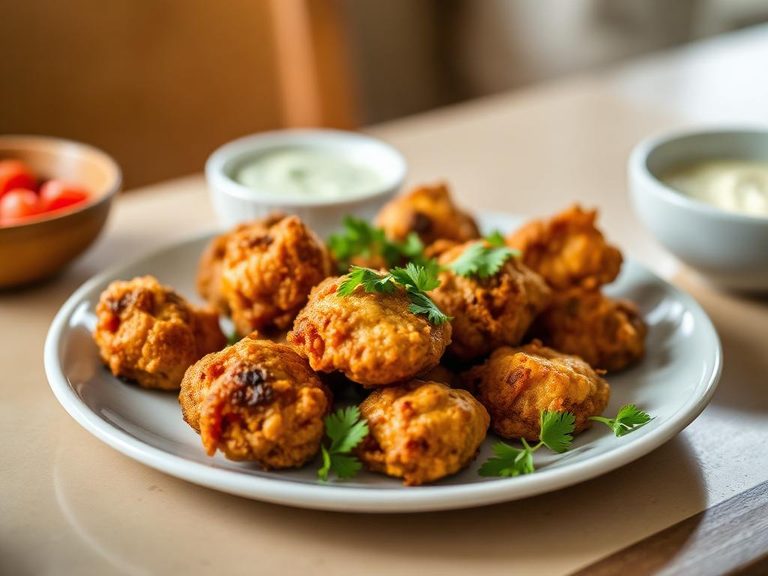
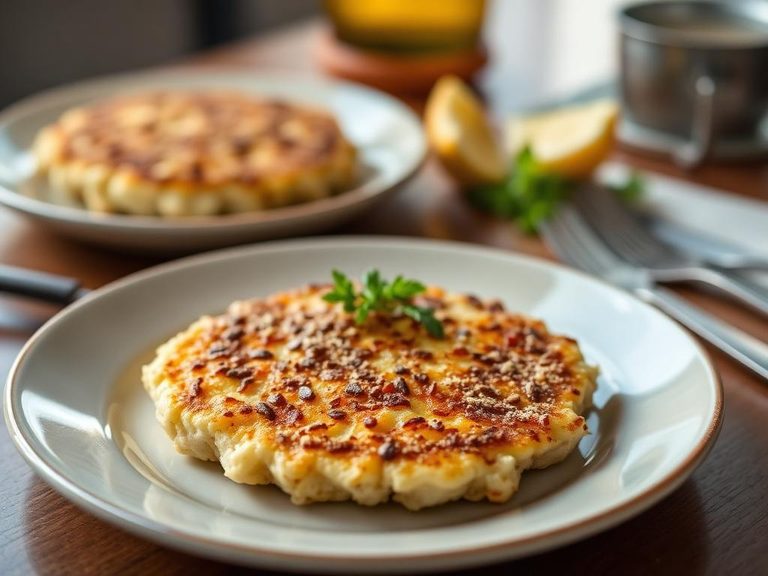
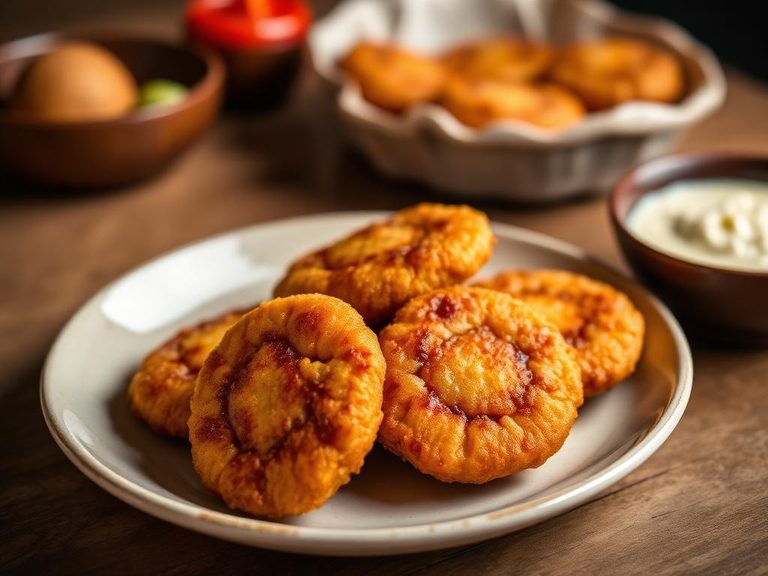
🌍 Where it's eaten
💡 Did you know?
The word 'fritter' likely derives from the Latin 'frictura' (a frying), but the concept of frying batter is ancient; some of the earliest recorded recipes for fritters date back to the Roman cookbook 'Apicius' from the 1st century AD.
Full nutrition (USDA data · scales with serving)
| Water | 37.6 g |
| Energy | 378 kcal |
| Protein | 6.6 g |
| Total lipid (fat) | 26.9 g |
| Carbohydrate, by difference | 27.5 g |
| Fiber, total dietary | 0.90 g |
| Total Sugars | 2.1 g |
| Calcium, Ca | 64.0 mg |
| Iron, Fe | 2.1 mg |
| Magnesium, Mg | 15.0 mg |
| Phosphorus, P | 101 mg |
| Potassium, K | 125 mg |
| Sodium, Na | 340 mg |
| Zinc, Zn | 0.58 mg |
| Copper, Cu | 0.06 mg |
| Selenium, Se | 10.0 ug |
| Vitamin C, total ascorbic acid | 0.00 mg |
| Thiamin | 0.27 mg |
| Riboflavin | 0.24 mg |
| Niacin | 2.0 mg |
| Vitamin B-6 | 0.04 mg |
| Folate, total | 44.0 ug |
| Folic acid | 32.0 ug |
| Folate, food | 13.0 ug |
| Folate, DFE | 67.0 ug |
| Choline, total | 44.6 mg |
| Vitamin B-12 | 0.23 ug |
| Vitamin B-12, added | 0.00 ug |
| Vitamin A, RAE | 76.0 ug |
| Retinol | 75.0 ug |
| Carotene, beta | 8.0 ug |
| Carotene, alpha | 0.00 ug |
| Cryptoxanthin, beta | 2.0 ug |
| Lycopene | 0.00 ug |
| Lutein + zeaxanthin | 71.0 ug |
| Vitamin E (alpha-tocopherol) | 4.2 mg |
| Vitamin E, added | 0.00 mg |
| Vitamin D (D2 + D3) | 0.80 ug |
| Vitamin K (phylloquinone) | 21.6 ug |
| Alcohol, ethyl | 0.00 g |
| Caffeine | 0.00 mg |
| Theobromine | 0.00 mg |
Fat & fatty acid profile (per 100g)
| Fatty acids, total saturated | 5.6 g |
| SFA 4:0 | 0.10 g |
| SFA 6:0 | 0.07 g |
| SFA 8:0 | 0.04 g |
| SFA 10:0 | 0.10 g |
| SFA 12:0 | 0.11 g |
| SFA 14:0 | 0.38 g |
| SFA 16:0 | 3.4 g |
| SFA 18:0 | 1.1 g |
| Fatty acids, total monounsaturated | 10.3 g |
| MUFA 16:1 | 0.16 g |
| MUFA 18:1 | 9.9 g |
| MUFA 20:1 | 0.15 g |
| MUFA 22:1 | 0.00 g |
| Fatty acids, total polyunsaturated | 8.6 g |
| PUFA 18:2 | 7.6 g |
| PUFA 18:3 | 0.94 g |
| PUFA 18:4 | 0.00 g |
| PUFA 20:4 | 0.01 g |
| PUFA 20:5 n-3 (EPA) | 0.00 g |
| PUFA 22:5 n-3 (DPA) | 0.00 g |
| PUFA 22:6 n-3 (DHA) | 0.00 g |
| Cholesterol | 67.0 mg |
FAQ
What makes a fritter different from a pancake?
A fritter is typically fried in oil or fat, resulting in a crispier exterior, while a pancake is usually cooked on a griddle or pan with minimal fat. Fritter batter is often thicker and may contain chunks of vegetables or other ingredients, whereas pancake batter is smoother and sweeter.
Can I make plain fritters healthier?
Yes, you can reduce the fat content by baking or air-frying the fritters instead of deep-frying. Using whole-grain flour, adding vegetables like zucchini or corn, and serving them with a protein-rich dip like Greek yogurt can also improve the nutritional profile.
Why do my fritters turn out soggy?
Sogginess often results from excess moisture in the batter or not frying at a high enough temperature. Ensure your batter isn't too watery, drain any excess oil on paper towels after frying, and maintain the oil temperature around 350°F (175°C) for a crisp finish.
Nutrient density (calculated · NRF9.3)
Nutrient Rich Foods index: beneficial nutrients (protein, fiber, vitamins, minerals) minus saturated fat, added sugar & sodium, per 100 kcal.
NRF9.3 index — Fulgoni, Keast & Drewnowski, 2009. Computed from USDA nutrients.
Weight-loss friendliness (composite index)
Energy density 3.78 kcal/g · 7% calories from protein · 0.9 g fiber · 2.1 g sugar per 100 g.
Composite of energy density (Rolls et al., 1999), protein & fiber satiety, minus sugar. A calculated heuristic — ranks satiety-per-calorie, not a clinical measure.
Dietary load (calculated from USDA values)
Potential renal acid load. Positive = acid-forming, negative = alkaline-forming.
Sodium-to-potassium ratio: 2.72 (lower is better — aim for ≤ 1)
Sodium:potassium per WHO potassium guidance. Computed from USDA nutrients.