

Flavored rice mixture with cheese
Common food

Photo: Wikipedia
A savory, aromatic blend of rice grains infused with cheese and seasonings, offering a fluffy, slightly chewy texture with a creamy, umami-rich flavor profile. Nutritionally, it's a light, low-fat carbohydrate source with modest protein, making it a quick energy base rather than a complete meal.
Calorie split: 10% protein · 82% carbs · 9% fat
↓ Full nutrition💚 Why it's loved
People love it for its comforting, savory cheese flavor and the convenience of a ready-to-prepare side dish that pairs well with almost any protein. Its cultural familiarity makes it a nostalgic, go-to pantry staple in many households.
⚠️ Watch-outs & how to enjoy it better
It can be high in sodium and refined carbs, potentially causing blood-sugar spikes, and may contain common allergens like dairy or gluten from seasoning packets. Counteract this by pairing it with lean protein (like grilled chicken) and non-starchy vegetables (like broccoli) to slow digestion, and consider using only half the seasoning packet to reduce sodium intake.
Key benefits
- Quick-cooking convenience meal
- Low in fat (1.2g per 100g)
- Provides moderate energy from complex carbs
- Versatile base for adding proteins/vegetables
- Consistent, familiar flavor for picky eaters
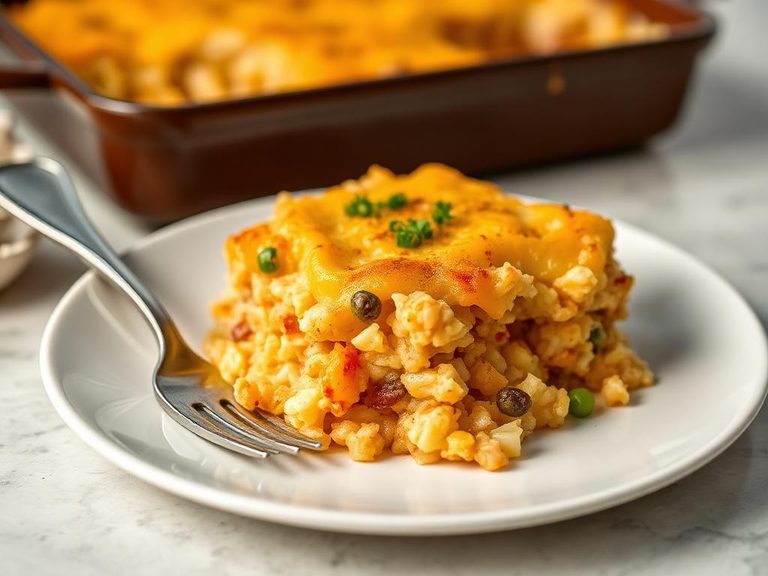
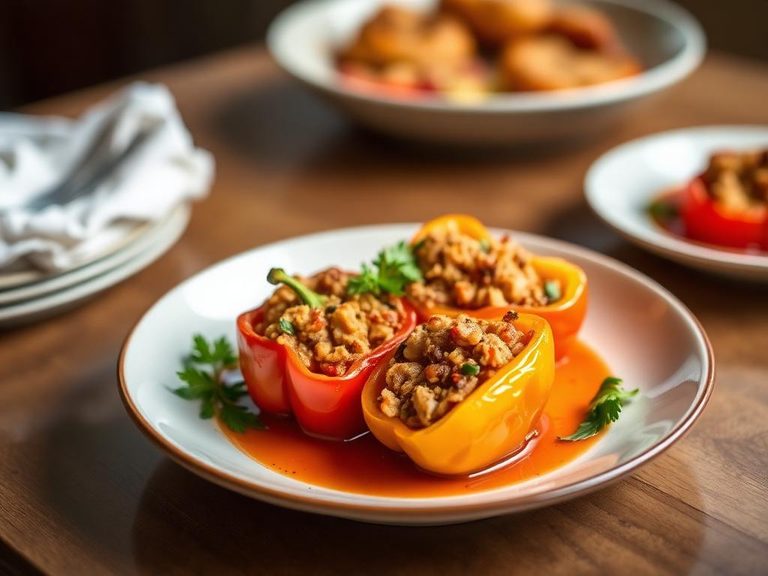
🍽️ Popular dishes
🌍 Where it's eaten
💡 Did you know?
Many commercial 'flavored rice' mixes use powdered cheese that's actually a blend of whey, oils, and flavor compounds, not just dehydrated cheddar.
Full nutrition (USDA data · scales with serving)
| Water | 68.8 g |
| Energy | 124 kcal |
| Protein | 3.0 g |
| Total lipid (fat) | 1.2 g |
| Carbohydrate, by difference | 25.2 g |
| Fiber, total dietary | 0.60 g |
| Total Sugars | 1.8 g |
| Calcium, Ca | 47.0 mg |
| Iron, Fe | 1.5 mg |
| Magnesium, Mg | 29.0 mg |
| Phosphorus, P | 113 mg |
| Potassium, K | 102 mg |
| Sodium, Na | 389 mg |
| Zinc, Zn | 0.48 mg |
| Copper, Cu | 0.07 mg |
| Selenium, Se | 8.5 ug |
| Vitamin C, total ascorbic acid | 0.50 mg |
| Thiamin | 0.07 mg |
| Riboflavin | 0.21 mg |
| Niacin | 1.7 mg |
| Vitamin B-6 | 0.12 mg |
| Folate, total | 36.0 ug |
| Folic acid | 19.0 ug |
| Folate, food | 17.0 ug |
| Folate, DFE | 49.0 ug |
| Choline, total | 23.2 mg |
| Vitamin B-12 | 0.19 ug |
| Vitamin B-12, added | 0.00 ug |
| Vitamin A, RAE | 2.0 ug |
| Retinol | 2.0 ug |
| Carotene, beta | 1.0 ug |
| Carotene, alpha | 0.00 ug |
| Cryptoxanthin, beta | 0.00 ug |
| Lycopene | 0.00 ug |
| Lutein + zeaxanthin | 23.0 ug |
| Vitamin E (alpha-tocopherol) | 0.17 mg |
| Vitamin E, added | 0.00 mg |
| Vitamin D (D2 + D3) | 0.00 ug |
| Vitamin K (phylloquinone) | 7.0 ug |
| Alcohol, ethyl | 0.00 g |
| Caffeine | 0.00 mg |
| Theobromine | 0.00 mg |
Fat & fatty acid profile (per 100g)
| Fatty acids, total saturated | 0.60 g |
| SFA 4:0 | 0.01 g |
| SFA 6:0 | 0.01 g |
| SFA 8:0 | 0.00 g |
| SFA 10:0 | 0.01 g |
| SFA 12:0 | 0.01 g |
| SFA 14:0 | 0.04 g |
| SFA 16:0 | 0.39 g |
| SFA 18:0 | 0.11 g |
| Fatty acids, total monounsaturated | 0.26 g |
| MUFA 16:1 | 0.01 g |
| MUFA 18:1 | 0.25 g |
| MUFA 20:1 | 0.00 g |
| MUFA 22:1 | 0.00 g |
| Fatty acids, total polyunsaturated | 0.23 g |
| PUFA 18:2 | 0.21 g |
| PUFA 18:3 | 0.02 g |
| PUFA 18:4 | 0.00 g |
| PUFA 20:4 | 0.00 g |
| PUFA 20:5 n-3 (EPA) | 0.00 g |
| PUFA 22:5 n-3 (DPA) | 0.00 g |
| PUFA 22:6 n-3 (DHA) | 0.00 g |
| Cholesterol | 3.0 mg |
Amino acid profile (per 100g)
Estimated from Rice mix, white and wild, flavored, unprepared — USDA does not publish this profile for Flavored rice mixture with cheese.
| Hydroxyproline | 0.00 g |
FAQ
Is flavored rice with cheese a good source of protein?
Not particularly. With only about 2.99g of protein per 100g, it's a modest source at best. It's best viewed as a carbohydrate base; you'll need to add protein-rich foods like beans, meat, or tofu to make a balanced meal.
Can I use this as a base for a quick weeknight meal?
Absolutely. Its primary appeal is convenience. Cook it as directed, then stir in pre-cooked protein (like rotisserie chicken) and frozen vegetables for a complete, balanced dish in under 15 minutes.
Does the cheese flavor come from real cheese?
Often, it's a processed cheese flavoring made from a blend of dairy derivatives, oils, and seasonings, not simply melted cheese. This gives it a consistent, shelf-stable taste but can contribute to higher sodium content.
Nutrient density (calculated · NRF9.3)
Nutrient Rich Foods index: beneficial nutrients (protein, fiber, vitamins, minerals) minus saturated fat, added sugar & sodium, per 100 kcal.
NRF9.3 index — Fulgoni, Keast & Drewnowski, 2009. Computed from USDA nutrients.
Weight-loss friendliness (composite index)
Energy density 1.24 kcal/g · 10% calories from protein · 0.6 g fiber · 1.8 g sugar per 100 g.
Composite of energy density (Rolls et al., 1999), protein & fiber satiety, minus sugar. A calculated heuristic — ranks satiety-per-calorie, not a clinical measure.
Dietary load (calculated from USDA values)
Potential renal acid load. Positive = acid-forming, negative = alkaline-forming.
Sodium-to-potassium ratio: 3.81 (lower is better — aim for ≤ 1)
Sodium:potassium per WHO potassium guidance. Computed from USDA nutrients.