

Crustaceans, shrimp, mixed species, imitation, made from surimi
Whole food · Finfish and Shellfish Products

Photo: Wikipedia
Imitation shrimp is a processed seafood product made from surimi—minced white fish paste—shaped and flavored to mimic real shrimp. It has a firm, slightly springy texture with a mild, sweet, and oceanic taste. Nutritionally, it's a lean, high-protein, low-fat option, providing about 12.4 grams of protein per 100 grams for just 101 calories.
Calorie split: 50% protein · 37% carbs · 13% fat
↓ Full nutrition💚 Why it's loved
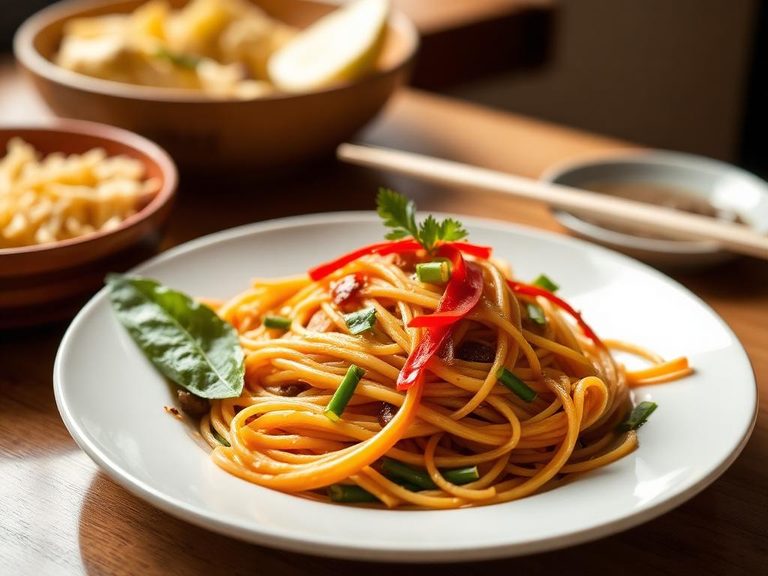
People love imitation shrimp for its affordability, long shelf life, and uncanny ability to absorb sauces and seasonings, making it a versatile staple in stir-fries, salads, and sushi rolls. Its mild flavor and consistent texture make it an accessible entry point for those hesitant about the taste or texture of real shellfish.
⚠️ Watch-outs & how to enjoy it better
It is highly processed and often contains added sodium, phosphates, and starches, which can be a concern for those monitoring blood pressure or blood sugar. As it's a common allergen (fish, shellfish, egg whites in some brands), individuals with seafood allergies must be cautious. To counteract sodium, rinse the product before use and pair it with potassium-rich vegetables like spinach or broccoli. For blood-sugar management, consume it as part of a balanced meal with fiber and healthy fats.
Key benefits
- Excellent source of lean protein for muscle maintenance.
- Very low in fat and calories, suitable for weight management.
- Provides a seafood-like option at a lower cost than real shrimp.
- Often fortified with vitamins like B12 and minerals like selenium.
- Shelf-stable and convenient for quick meal preparation.
🍽️ Popular dishes
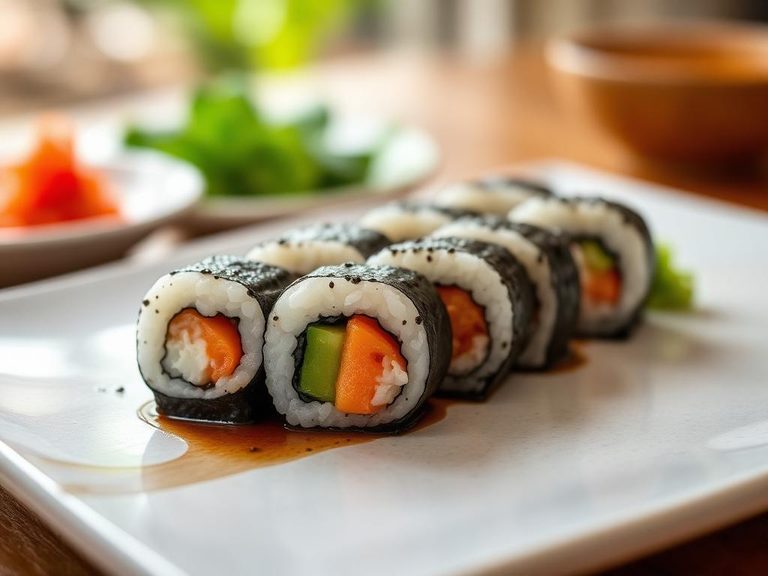
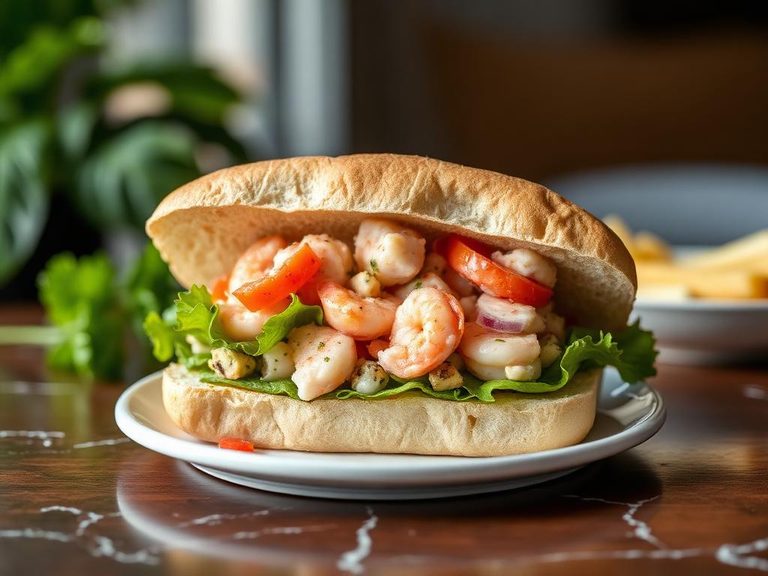
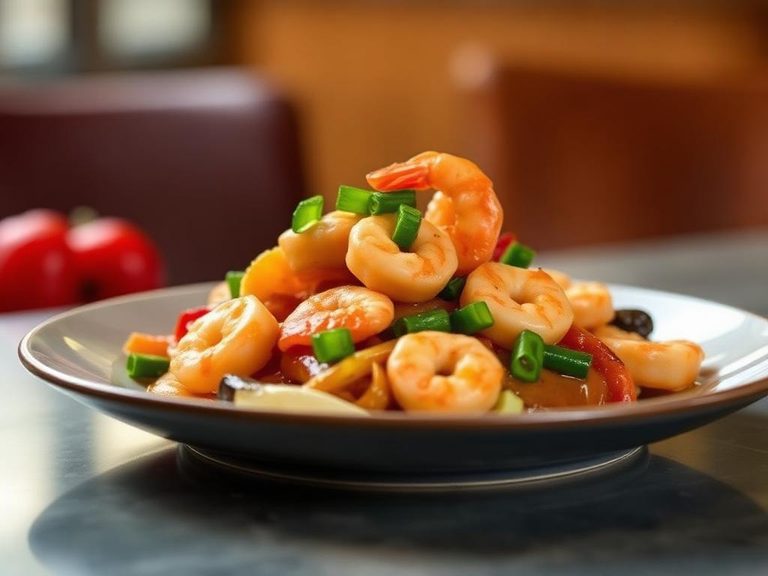
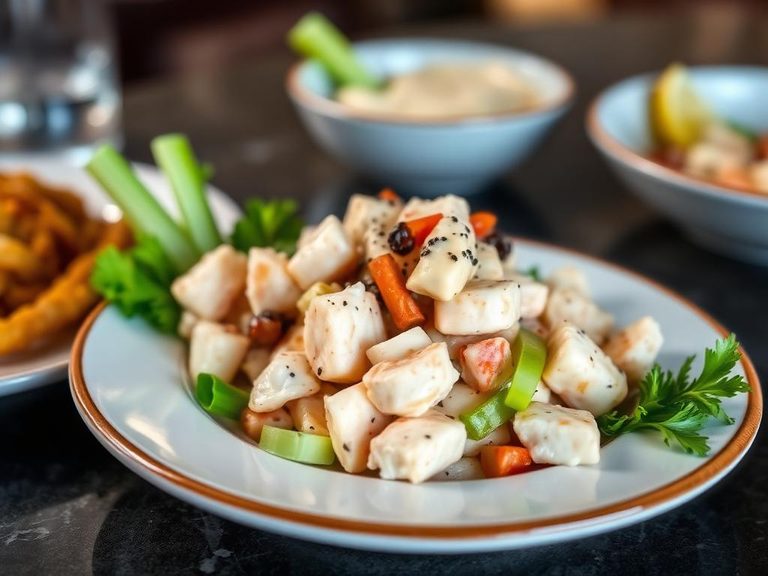
🌍 Where it's eaten
💡 Did you know?
The technology for creating surimi, the base of imitation shrimp, was perfected in Japan in the 1960s and was originally developed as a way to utilize abundant, less popular white fish like pollock into a product resembling expensive crab meat (Kanikama).
Full nutrition (USDA data · scales with serving)
| Water | 74.9 g |
| Energy | 101 kcal |
| Energy | 423 kj |
| Protein | 12.4 g |
| Total lipid (fat) | 1.5 g |
| Ash | 2.1 g |
| Carbohydrate, by difference | 9.1 g |
| Fiber, total dietary | 0.00 g |
| Calcium, Ca | 19.0 mg |
| Iron, Fe | 0.60 mg |
| Magnesium, Mg | 43.0 mg |
| Phosphorus, P | 282 mg |
| Potassium, K | 89.0 mg |
| Sodium, Na | 705 mg |
| Zinc, Zn | 0.33 mg |
| Copper, Cu | 0.03 mg |
| Manganese, Mn | 0.01 mg |
| Selenium, Se | 22.9 ug |
| Vitamin C, total ascorbic acid | 0.00 mg |
| Thiamin | 0.02 mg |
| Riboflavin | 0.03 mg |
| Niacin | 0.17 mg |
| Pantothenic acid | 0.07 mg |
| Vitamin B-6 | 0.03 mg |
| Folate, total | 2.0 ug |
| Folic acid | 0.00 ug |
| Folate, food | 2.0 ug |
| Folate, DFE | 2.0 ug |
| Vitamin B-12 | 1.6 ug |
| Vitamin A, RAE | 20.0 ug |
| Retinol | 20.0 ug |
| Vitamin A, IU | 66.0 iu |
Fat & fatty acid profile (per 100g)
| Fatty acids, total saturated | 0.29 g |
| Fatty acids, total monounsaturated | 0.22 g |
| Fatty acids, total polyunsaturated | 0.75 g |
| Cholesterol | 36.0 mg |
Amino acid profile (per 100g)
| Tryptophan | 0.07 g |
| Threonine | 0.60 g |
| Isoleucine | 0.58 g |
| Leucine | 0.98 g |
| Lysine | 1.1 g |
| Methionine | 0.42 g |
| Cystine | 0.13 g |
| Phenylalanine | 0.49 g |
| Tyrosine | 0.50 g |
| Valine | 0.63 g |
| Arginine | 0.82 g |
| Histidine | 0.28 g |
| Alanine | 0.73 g |
| Aspartic acid | 1.2 g |
| Glutamic acid | 2.0 g |
| Glycine | 0.48 g |
| Proline | 0.46 g |
| Serine | 0.54 g |
FAQ
Is imitation shrimp the same as real shrimp nutritionally?
No. Real shrimp is a whole food with a more complex nutrient profile, including omega-3s and naturally occurring minerals. Imitation shrimp is a processed product, higher in sodium and additives, but lower in cholesterol and often fortified with certain vitamins.
Can I use imitation shrimp in any recipe that calls for real shrimp?
It works well in cooked dishes like stir-fries, curries, and casseroles where it will absorb flavors. However, it won't have the same delicate, sweet flavor or firm, snappy texture as real shrimp, especially in dishes where shrimp is the star (like grilled shrimp).
What is surimi made from?
Surimi is a paste made from deboned, washed, and minced white-fleshed fish, most commonly Alaskan pollock. It is then mixed with starches, flavorings, and sometimes egg whites or crab extract to create the final product.
Nutrient density (calculated · NRF9.3)
Nutrient Rich Foods index: beneficial nutrients (protein, fiber, vitamins, minerals) minus saturated fat, added sugar & sodium, per 100 kcal.
NRF9.3 index — Fulgoni, Keast & Drewnowski, 2009. Computed from USDA nutrients.
Weight-loss friendliness (composite index)
Energy density 1.01 kcal/g · 49% calories from protein · 0.0 g fiber · 0.0 g sugar per 100 g.
Composite of energy density (Rolls et al., 1999), protein & fiber satiety, minus sugar. A calculated heuristic — ranks satiety-per-calorie, not a clinical measure.
Dietary load (calculated from USDA values)
Potential renal acid load. Positive = acid-forming, negative = alkaline-forming.
Sodium-to-potassium ratio: 7.92 (lower is better — aim for ≤ 1)
Sodium:potassium per WHO potassium guidance. Computed from USDA nutrients.