

Cranberries, dried
Common food

Photo: Wikipedia
Dried cranberries are shriveled, ruby-red jewels with a chewy texture and a potent sweet-tart punch, often enhanced with added sugar. Nutritionally, they are a concentrated source of carbohydrates, with over 82g of carbs per 100g, primarily from sugar. Their vibrant color comes from powerful plant compounds.
Calorie split: 0% protein · 97% carbs · 3% fat
↓ Full nutrition💚 Why it's loved
People love them for their unique balance of sweet and tart, which adds a bright, fruity note to both sweet and savory dishes. Their chewy texture and long shelf life make them a versatile pantry staple for snacking, baking, and trail mixes.
⚠️ Watch-outs & how to enjoy it better
The high added sugar content (often 72g per 100g) can cause blood sugar spikes and contributes to excess calories. To counteract this, choose reduced-sugar or unsweetened varieties, practice strict portion control (a small handful), and pair them with protein or healthy fats like nuts or yogurt to slow sugar absorption.
Key benefits
- Rich in antioxidant polyphenols like proanthocyanidins
- Good source of dietary fiber for digestive health
- May support urinary tract health
- Provides vitamin C and manganese
- Convenient, shelf-stable snack or ingredient
🍽️ Popular dishes
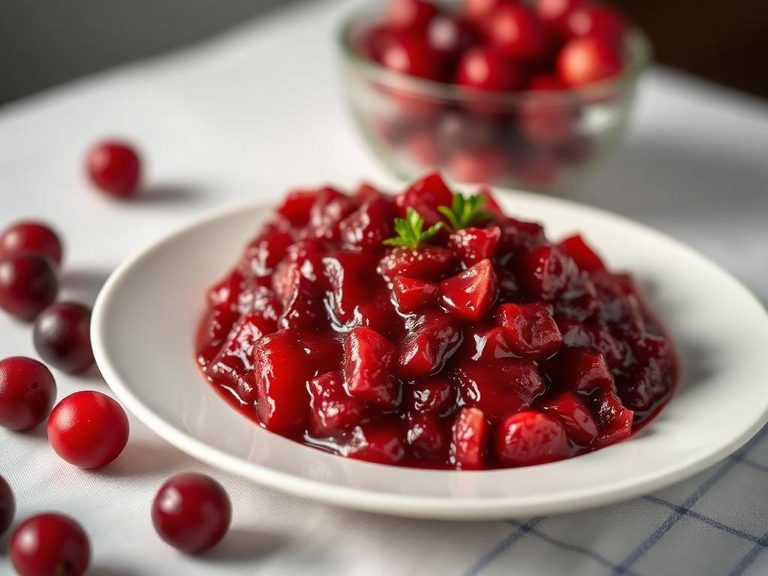
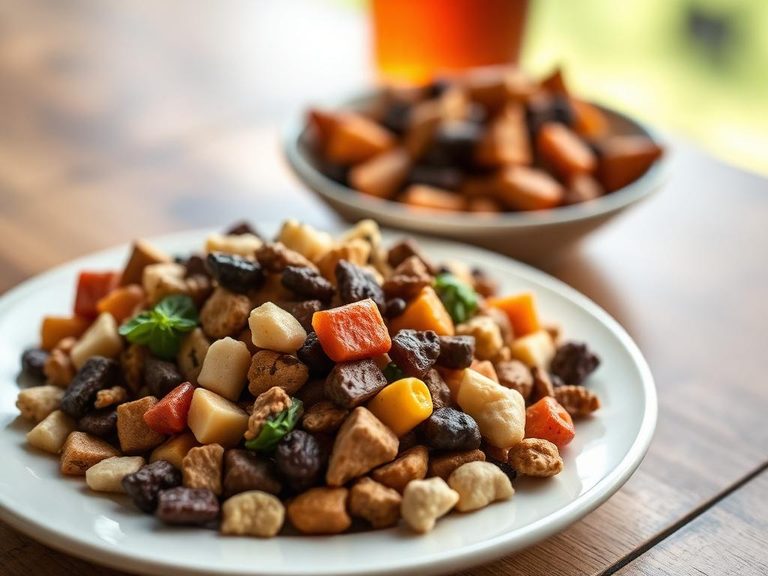
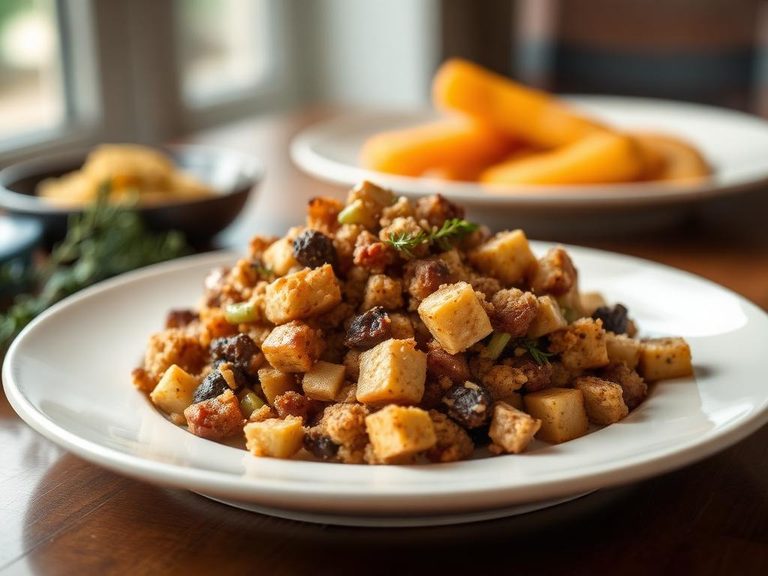
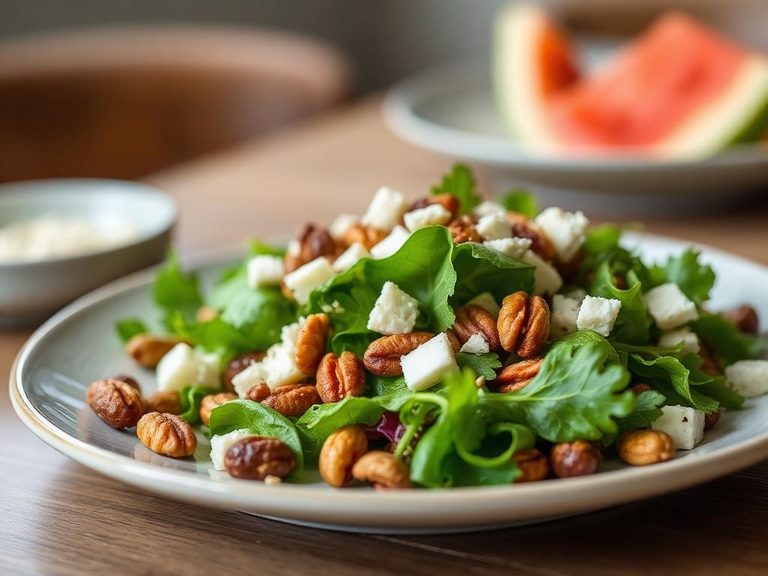

🌍 Where it's eaten
💡 Did you know?
Cranberries are one of only three native North American fruits (along with blueberries and Concord grapes) and are commercially grown in bogs, where they are harvested by flooding the fields and using water reels to knock the berries loose.
Full nutrition (USDA data · scales with serving)
| Water | 15.8 g |
| Energy | 308 kcal |
| Protein | 0.17 g |
| Total lipid (fat) | 1.1 g |
| Carbohydrate, by difference | 82.8 g |
| Fiber, total dietary | 5.3 g |
| Total Sugars | 72.6 g |
| Calcium, Ca | 9.0 mg |
| Iron, Fe | 0.39 mg |
| Magnesium, Mg | 4.0 mg |
| Phosphorus, P | 8.0 mg |
| Potassium, K | 49.0 mg |
| Sodium, Na | 5.0 mg |
| Zinc, Zn | 0.10 mg |
| Copper, Cu | 0.06 mg |
| Selenium, Se | 0.60 ug |
| Vitamin C, total ascorbic acid | 0.20 mg |
| Thiamin | 0.01 mg |
| Riboflavin | 0.03 mg |
| Niacin | 0.55 mg |
| Vitamin B-6 | 0.04 mg |
| Folate, total | 0.00 ug |
| Folic acid | 0.00 ug |
| Folate, food | 0.00 ug |
| Folate, DFE | 0.00 ug |
| Choline, total | 8.3 mg |
| Vitamin B-12 | 0.00 ug |
| Vitamin B-12, added | 0.00 ug |
| Vitamin A, RAE | 2.0 ug |
| Retinol | 0.00 ug |
| Carotene, beta | 27.0 ug |
| Carotene, alpha | 0.00 ug |
| Cryptoxanthin, beta | 0.00 ug |
| Lycopene | 0.00 ug |
| Lutein + zeaxanthin | 138 ug |
| Vitamin E (alpha-tocopherol) | 2.1 mg |
| Vitamin E, added | 0.00 mg |
| Vitamin D (D2 + D3) | 0.00 ug |
| Vitamin K (phylloquinone) | 7.6 ug |
| Alcohol, ethyl | 0.00 g |
| Caffeine | 0.00 mg |
| Theobromine | 0.00 mg |
Fat & fatty acid profile (per 100g)
| Fatty acids, total saturated | 0.09 g |
| SFA 4:0 | 0.00 g |
| SFA 6:0 | 0.00 g |
| SFA 8:0 | 0.00 g |
| SFA 10:0 | 0.01 g |
| SFA 12:0 | 0.00 g |
| SFA 14:0 | 0.00 g |
| SFA 16:0 | 0.03 g |
| SFA 18:0 | 0.02 g |
| Fatty acids, total monounsaturated | 0.30 g |
| MUFA 16:1 | 0.01 g |
| MUFA 18:1 | 0.28 g |
| MUFA 20:1 | 0.01 g |
| MUFA 22:1 | 0.01 g |
| Fatty acids, total polyunsaturated | 0.18 g |
| PUFA 18:2 | 0.16 g |
| PUFA 18:3 | 0.02 g |
| PUFA 18:4 | 0.00 g |
| PUFA 20:4 | 0.00 g |
| PUFA 20:5 n-3 (EPA) | 0.00 g |
| PUFA 22:5 n-3 (DPA) | 0.00 g |
| PUFA 22:6 n-3 (DHA) | 0.00 g |
| Cholesterol | 0.00 mg |
FAQ
Are dried cranberries healthy?
They contain beneficial antioxidants and fiber, but most commercial varieties are sweetened with significant added sugar. Opt for unsweetened or reduced-sugar versions and consume in moderation.
How are dried cranberries different from fresh?
Dried cranberries are dehydrated, concentrating their sugars and calories. Fresh cranberries are very tart and low in sugar, while dried versions are typically sweetened, making them much higher in carbohydrates.
Can I use dried cranberries in savory dishes?
Absolutely. They pair wonderfully with roasted meats (like pork or chicken), in grain salads, with cheese boards, or in stuffings, adding a sweet-tart contrast to savory flavors.
Nutrient density (calculated · NRF9.3)
Nutrient Rich Foods index: beneficial nutrients (protein, fiber, vitamins, minerals) minus saturated fat, added sugar & sodium, per 100 kcal.
NRF9.3 index — Fulgoni, Keast & Drewnowski, 2009. Computed from USDA nutrients.
Weight-loss friendliness (composite index)
Energy density 3.08 kcal/g · 0% calories from protein · 5.3 g fiber · 72.6 g sugar per 100 g.
Composite of energy density (Rolls et al., 1999), protein & fiber satiety, minus sugar. A calculated heuristic — ranks satiety-per-calorie, not a clinical measure.
Dietary load (calculated from USDA values)
Potential renal acid load. Positive = acid-forming, negative = alkaline-forming.
Sodium-to-potassium ratio: 0.10 (lower is better — aim for ≤ 1)
Sodium:potassium per WHO potassium guidance. Computed from USDA nutrients.