

Cranberries, wild, bush, raw (Alaska Native)
Whole food · American Indian/Alaska Native Foods

Photo: Wikipedia
Wild bush cranberries from Alaska are tiny, jewel-like berries with a vibrant, deep red hue. They offer a uniquely tart, almost astringent flavor with a firm, popping texture, quite distinct from the more common cultivated cranberry. Nutritionally, they are a remarkable source of dietary fiber, providing over a quarter of the daily value in just 100 grams, with virtually no sugar.
Calorie split: 8% protein · 89% carbs · 3% fat
↓ Full nutrition💚 Why it's loved
Foraged and cherished by Indigenous communities of Alaska and Northern Canada, these berries are loved for their intense, wild flavor that cuts through richness. They are a prized ingredient in traditional preserves and a symbol of the northern landscape.
⚠️ Watch-outs & how to enjoy it better
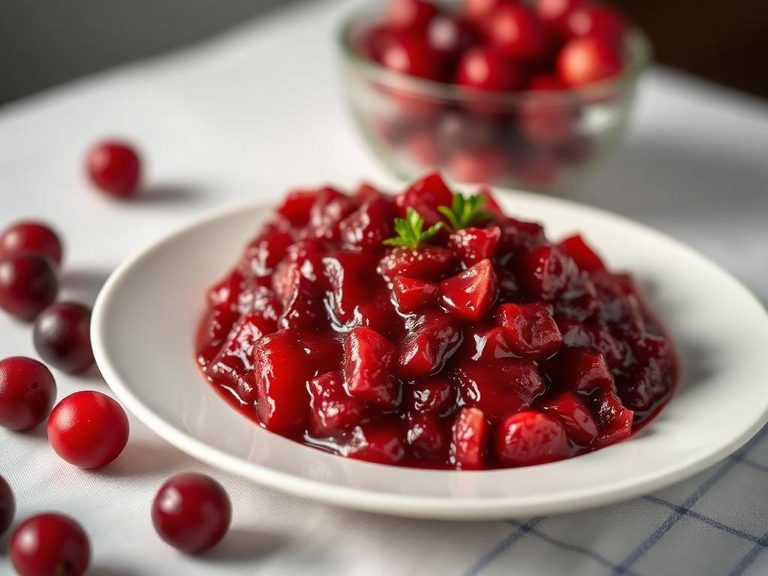
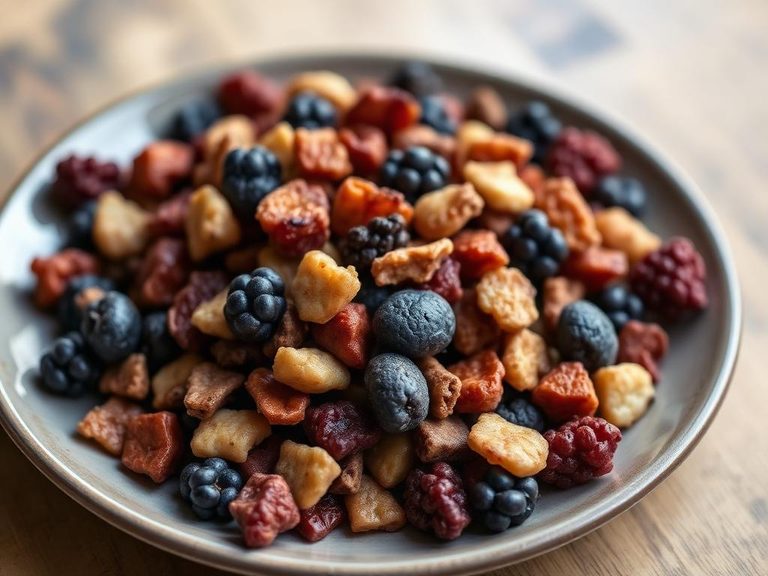
Their extreme tartness and astringency can be overwhelming when eaten raw. They contain oxalates, which may be a concern for individuals prone to kidney stones. To enjoy them, they are almost always cooked and sweetened, or dried and mixed with other ingredients to balance their sharp flavor.
Key benefits
- Exceptionally high in dietary fiber
- Very low in sugar and fat
- Good source of antioxidants like vitamin C
- Supports digestive health
- Low-calorie, nutrient-dense food
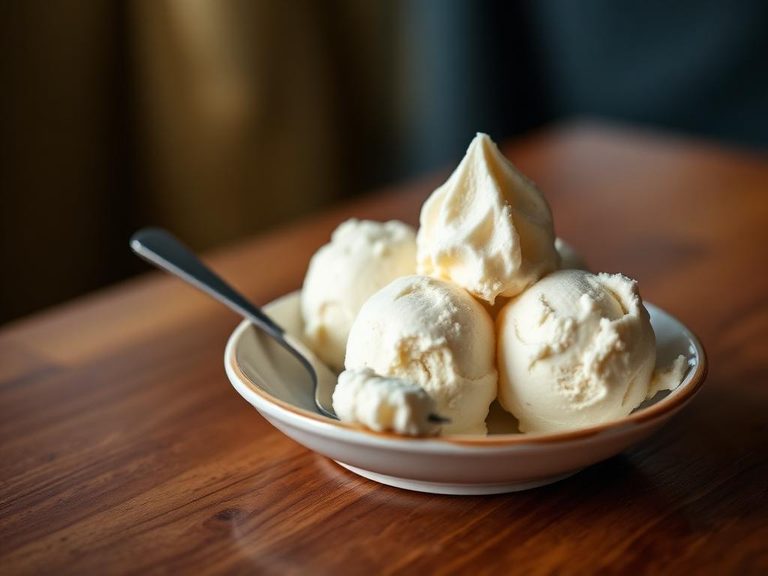
🍽️ Popular dishes

🌍 Where it's eaten
💡 Did you know?
Unlike the common cranberry (Vaccinium macrocarpon), the wild bush cranberry (Vaccinium vitis-idaea) is actually a lingonberry, and its ability to survive under snow in the Arctic tundra makes it one of the hardiest berries on Earth.
Full nutrition (USDA data · scales with serving)
| Water | 86.0 g |
| Energy | 55.0 kcal |
| Energy | 232 kj |
| Protein | 1.1 g |
| Total lipid (fat) | 0.20 g |
| Ash | 0.40 g |
| Carbohydrate, by difference | 12.3 g |
| Fiber, total dietary | 6.7 g |
| Calcium, Ca | 20.0 mg |
| Iron, Fe | 1.0 mg |
| Phosphorus, P | 15.0 mg |
| Potassium, K | 140 mg |
| Sodium, Na | 26.0 mg |
| Vitamin C, total ascorbic acid | 15.0 mg |
| Thiamin | 0.00 mg |
| Riboflavin | 0.01 mg |
| Niacin | 0.90 mg |
| Vitamin A, IU | 1060 iu |
FAQ
How do wild bush cranberries differ from regular cranberries?
Wild bush cranberries (lingonberries) are smaller, firmer, and have a more pronounced tart and slightly bitter flavor compared to the milder, larger cultivated cranberry. They are also botanically different species.
Can I eat them straight from the bush?
While edible raw, their intense sourness and astringency make them unpalatable for most people. They are traditionally prepared by cooking with sweeteners or drying.
How should I store fresh wild bush cranberries?
They are very hardy. Store them unwashed in a breathable container in the refrigerator for up to a month, or freeze them on a baking sheet before transferring to a bag for long-term storage.
Nutrient density (calculated · NRF9.3)
Nutrient Rich Foods index: beneficial nutrients (protein, fiber, vitamins, minerals) minus saturated fat, added sugar & sodium, per 100 kcal.
NRF9.3 index — Fulgoni, Keast & Drewnowski, 2009. Computed from USDA nutrients.
Weight-loss friendliness (composite index)
Energy density 0.55 kcal/g · 8% calories from protein · 6.7 g fiber · 0.0 g sugar per 100 g.
Composite of energy density (Rolls et al., 1999), protein & fiber satiety, minus sugar. A calculated heuristic — ranks satiety-per-calorie, not a clinical measure.
Dietary load (calculated from USDA values)
Potential renal acid load. Positive = acid-forming, negative = alkaline-forming.
Sodium-to-potassium ratio: 0.19 (lower is better — aim for ≤ 1)
Sodium:potassium per WHO potassium guidance. Computed from USDA nutrients.