

Coffee creamer, soy, liquid
Common food

Photo: Wikipedia
A smooth, creamy liquid designed to mimic dairy in your coffee, soy-based creamer offers a mild, slightly nutty flavor with a rich mouthfeel. Nutritionally, it's a source of plant-based fat and carbohydrates, with a minimal protein content per serving.
Calorie split: 3% protein · 33% carbs · 64% fat
↓ Full nutrition💚 Why it's loved
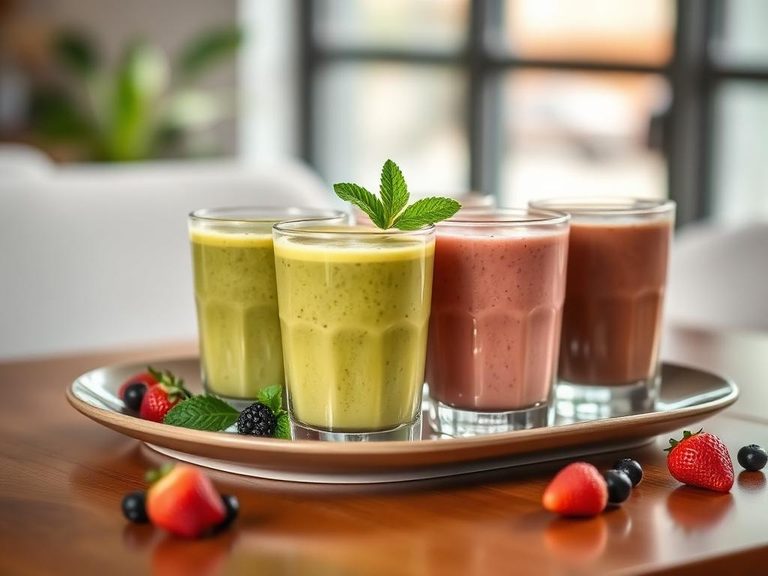
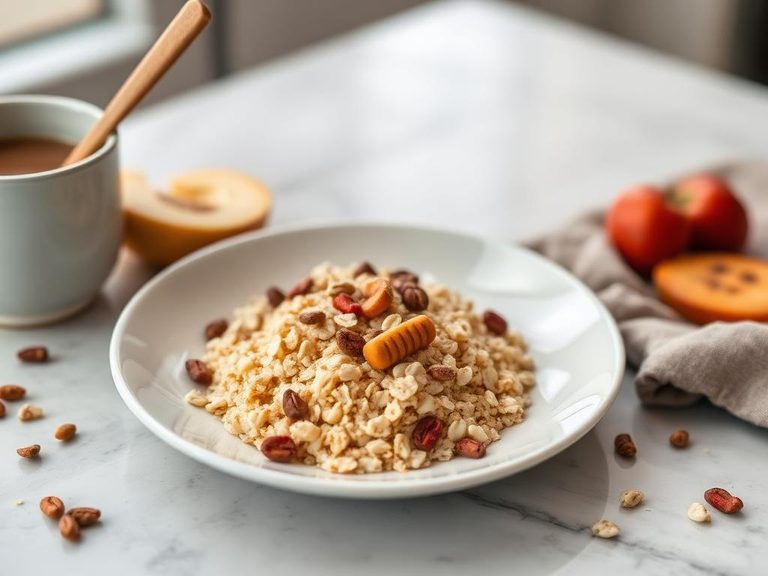
People love it for its ability to instantly transform black coffee into a smooth, creamy, and sweetened beverage. Its versatility extends beyond coffee to tea, smoothies, and even oatmeal, making it a popular staple in plant-based kitchens.
⚠️ Watch-outs & how to enjoy it better
The high sugar and fat content can contribute to blood-sugar spikes and added calories if used excessively. To counteract this, use it in moderation (1-2 tablespoons per cup), pair your coffee with a source of protein or healthy fat (like nuts or eggs), or opt for unsweetened varieties.
Key benefits
- Dairy-free alternative for vegans and lactose-intolerant individuals
- Provides a source of plant-based fat for energy
- Adds creaminess and sweetness without animal products
- Shelf-stable and convenient for everyday use
- Fortified with vitamins and minerals in many brands
🍽️ Popular dishes


🌍 Where it's eaten
💡 Did you know?
The first commercial non-dairy creamer, Coffee-mate, was invented in 1961 and was originally made from hydrogenated vegetable oil and corn syrup, not soy.
Full nutrition (USDA data · scales with serving)
| Water | 77.3 g |
| Energy | 136 kcal |
| Protein | 1.0 g |
| Total lipid (fat) | 10.0 g |
| Carbohydrate, by difference | 11.4 g |
| Fiber, total dietary | 0.00 g |
| Total Sugars | 11.4 g |
| Calcium, Ca | 9.0 mg |
| Iron, Fe | 0.03 mg |
| Magnesium, Mg | 0.00 mg |
| Phosphorus, P | 64.0 mg |
| Potassium, K | 191 mg |
| Sodium, Na | 67.0 mg |
| Zinc, Zn | 0.02 mg |
| Copper, Cu | 0.00 mg |
| Selenium, Se | 1.1 ug |
| Vitamin C, total ascorbic acid | 0.00 mg |
| Thiamin | 0.00 mg |
| Riboflavin | 0.00 mg |
| Niacin | 0.00 mg |
| Vitamin B-6 | 0.00 mg |
| Folate, total | 0.00 ug |
| Folic acid | 0.00 ug |
| Folate, food | 0.00 ug |
| Folate, DFE | 0.00 ug |
| Choline, total | 0.00 mg |
| Vitamin B-12 | 0.00 ug |
| Vitamin B-12, added | 0.00 ug |
| Vitamin A, RAE | 1.0 ug |
| Retinol | 0.00 ug |
| Carotene, beta | 9.0 ug |
| Carotene, alpha | 0.00 ug |
| Cryptoxanthin, beta | 0.00 ug |
| Lycopene | 0.00 ug |
| Lutein + zeaxanthin | 0.00 ug |
| Vitamin E (alpha-tocopherol) | 0.81 mg |
| Vitamin E, added | 0.00 mg |
| Vitamin D (D2 + D3) | 0.00 ug |
| Vitamin K (phylloquinone) | 2.5 ug |
| Alcohol, ethyl | 0.00 g |
| Caffeine | 0.00 mg |
| Theobromine | 0.00 mg |
Fat & fatty acid profile (per 100g)
| Fatty acids, total saturated | 1.9 g |
| SFA 4:0 | 0.00 g |
| SFA 6:0 | 0.00 g |
| SFA 8:0 | 0.01 g |
| SFA 10:0 | 0.01 g |
| SFA 12:0 | 0.06 g |
| SFA 14:0 | 0.02 g |
| SFA 16:0 | 0.88 g |
| SFA 18:0 | 0.98 g |
| Fatty acids, total monounsaturated | 7.6 g |
| MUFA 16:1 | 0.00 g |
| MUFA 18:1 | 7.6 g |
| MUFA 20:1 | 0.00 g |
| MUFA 22:1 | 0.00 g |
| Fatty acids, total polyunsaturated | 0.03 g |
| PUFA 18:2 | 0.02 g |
| PUFA 18:3 | 0.00 g |
| PUFA 18:4 | 0.00 g |
| PUFA 20:4 | 0.00 g |
| PUFA 20:5 n-3 (EPA) | 0.00 g |
| PUFA 22:5 n-3 (DPA) | 0.00 g |
| PUFA 22:6 n-3 (DHA) | 0.00 g |
| Cholesterol | 0.00 mg |
FAQ
Is soy creamer healthier than dairy cream?
It depends on the specific product. Soy creamer is cholesterol-free and often lower in saturated fat than heavy cream, but many commercial versions are high in added sugars and processed oils. Always compare nutrition labels.
Can I cook and bake with soy creamer?
Yes, it works well in many recipes that call for milk or cream, such as soups, sauces, and baked goods. However, it may not whip like dairy cream and can sometimes curdle in very acidic or high-heat dishes.
What's the difference between soy creamer and soy milk?
Soy creamer is a more processed, concentrated product designed to mimic dairy cream. It typically has higher fat and sugar content and a thicker texture than regular soy milk, which is more like a beverage.
Nutrient density (calculated · NRF9.3)
Nutrient Rich Foods index: beneficial nutrients (protein, fiber, vitamins, minerals) minus saturated fat, added sugar & sodium, per 100 kcal.
NRF9.3 index — Fulgoni, Keast & Drewnowski, 2009. Computed from USDA nutrients.
Weight-loss friendliness (composite index)
Energy density 1.36 kcal/g · 3% calories from protein · 0.0 g fiber · 11.4 g sugar per 100 g.
Composite of energy density (Rolls et al., 1999), protein & fiber satiety, minus sugar. A calculated heuristic — ranks satiety-per-calorie, not a clinical measure.
Dietary load (calculated from USDA values)
Potential renal acid load. Positive = acid-forming, negative = alkaline-forming.
Sodium-to-potassium ratio: 0.35 (lower is better — aim for ≤ 1)
Sodium:potassium per WHO potassium guidance. Computed from USDA nutrients.