

Classic mixed vegetables, canned, cooked with butter or margarine
Common food
This is a classic medley of tender-crisp vegetables—typically carrots, peas, corn, and green beans—canned for convenience and then gently sautéed in butter or margarine. The butter adds a rich, savory coating that elevates the simple, slightly sweet flavors and soft textures of the vegetables. Nutritionally, it's a low-calorie side dish that provides a modest boost of dietary fiber.
Calorie split: 12% protein · 50% carbs · 37% fat
↓ Full nutrition💚 Why it's loved
People love it for its comforting, familiar taste and the nostalgic, home-cooked feel the butter adds. It's a versatile, time-saving staple that pairs effortlessly with countless main courses.
⚠️ Watch-outs & how to enjoy it better
The canning process can lead to a softer, less vibrant texture and flavor compared to fresh. Canned vegetables may have added sodium, and the butter/margarine adds saturated fat. To counteract, choose 'no salt added' versions and use a light hand with the butter, or rinse the vegetables first to reduce sodium.
Key benefits
- Provides dietary fiber for digestive health.
- Low in calories, supporting weight management.
- Offers a convenient source of multiple vegetables.
- Contains vitamin A from carrots and beta-carotene.
- A quick, no-prep side dish.
🍽️ Popular dishes
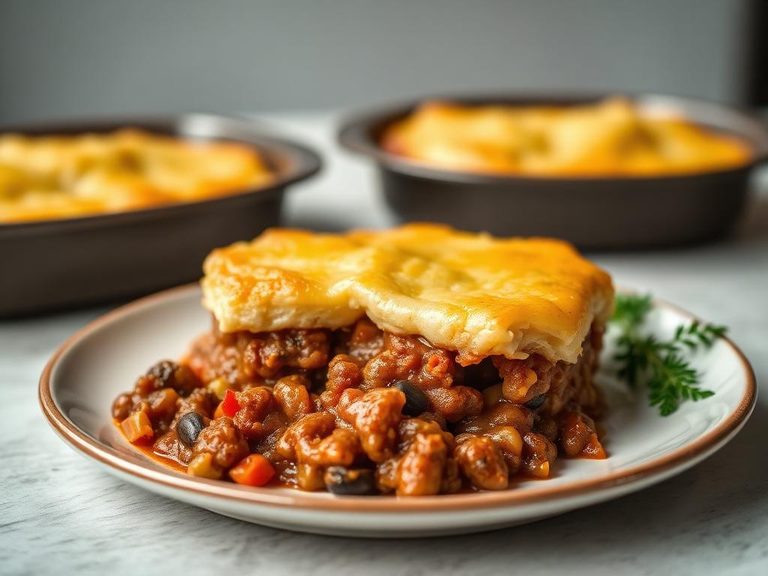
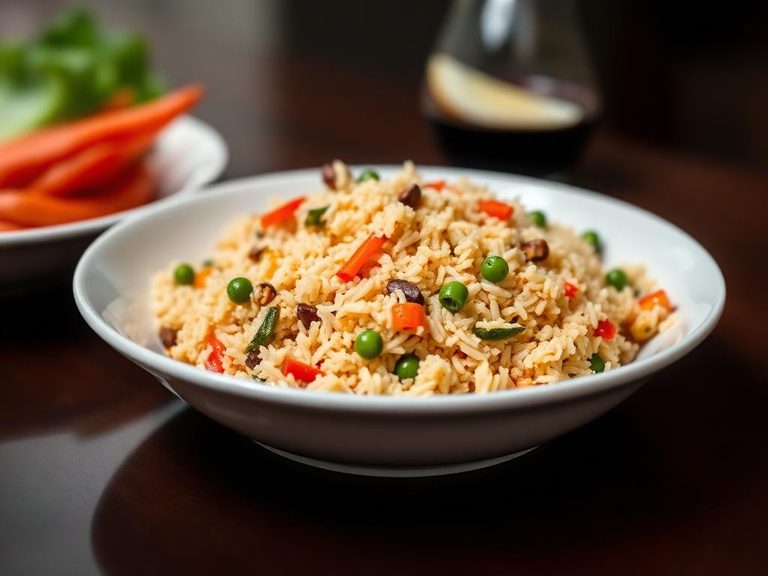
🌍 Where it's eaten
💡 Did you know?
The iconic 'mixed vegetable' can is a product of industrial food preservation, with its specific blend standardized in the mid-20th century to ensure consistent texture and cook times for mass production.
Full nutrition (USDA data · scales with serving)
| Water | 85.7 g |
| Energy | 64.0 kcal |
| Protein | 2.1 g |
| Total lipid (fat) | 2.8 g |
| Carbohydrate, by difference | 8.6 g |
| Fiber, total dietary | 2.5 g |
| Total Sugars | 2.7 g |
| Calcium, Ca | 22.0 mg |
| Iron, Fe | 0.70 mg |
| Magnesium, Mg | 13.0 mg |
| Phosphorus, P | 39.0 mg |
| Potassium, K | 125 mg |
| Sodium, Na | 260 mg |
| Zinc, Zn | 0.35 mg |
| Copper, Cu | 0.07 mg |
| Selenium, Se | 0.80 ug |
| Vitamin C, total ascorbic acid | 2.5 mg |
| Thiamin | 0.04 mg |
| Riboflavin | 0.05 mg |
| Niacin | 0.67 mg |
| Vitamin B-6 | 0.09 mg |
| Folate, total | 24.0 ug |
| Folic acid | 0.00 ug |
| Folate, food | 24.0 ug |
| Folate, DFE | 24.0 ug |
| Choline, total | 17.2 mg |
| Vitamin B-12 | 0.00 ug |
| Vitamin B-12, added | 0.00 ug |
| Vitamin A, RAE | 174 ug |
| Retinol | 22.0 ug |
| Carotene, beta | 1462 ug |
| Carotene, alpha | 707 ug |
| Cryptoxanthin, beta | 11.0 ug |
| Lycopene | 0.00 ug |
| Lutein + zeaxanthin | 590 ug |
| Vitamin E (alpha-tocopherol) | 0.51 mg |
| Vitamin E, added | 0.00 mg |
| Vitamin D (D2 + D3) | 0.10 ug |
| Vitamin K (phylloquinone) | 22.0 ug |
| Alcohol, ethyl | 0.00 g |
| Caffeine | 0.00 mg |
| Theobromine | 0.00 mg |
Fat & fatty acid profile (per 100g)
| Fatty acids, total saturated | 1.1 g |
| SFA 4:0 | 0.04 g |
| SFA 6:0 | 0.03 g |
| SFA 8:0 | 0.01 g |
| SFA 10:0 | 0.04 g |
| SFA 12:0 | 0.04 g |
| SFA 14:0 | 0.13 g |
| SFA 16:0 | 0.55 g |
| SFA 18:0 | 0.21 g |
| Fatty acids, total monounsaturated | 0.69 g |
| MUFA 16:1 | 0.02 g |
| MUFA 18:1 | 0.65 g |
| MUFA 20:1 | 0.01 g |
| MUFA 22:1 | 0.00 g |
| Fatty acids, total polyunsaturated | 0.64 g |
| PUFA 18:2 | 0.54 g |
| PUFA 18:3 | 0.09 g |
| PUFA 18:4 | 0.00 g |
| PUFA 20:4 | 0.00 g |
| PUFA 20:5 n-3 (EPA) | 0.00 g |
| PUFA 22:5 n-3 (DPA) | 0.00 g |
| PUFA 22:6 n-3 (DHA) | 0.00 g |
| Cholesterol | 4.0 mg |
FAQ
Is it healthy to eat canned mixed vegetables regularly?
They can be a healthy part of a diet, especially when choosing low-sodium or no-salt-added varieties. Rinsing them under water can further reduce sodium. They offer fiber and nutrients, but fresh or frozen vegetables often retain more texture and vitamins.
Why do the vegetables sometimes taste 'tinny'?
That metallic taste can come from the can's lining or from the vegetables reacting with the metal over time. It's more common in older cans or those stored in heat. Using a non-reactive pot and transferring the contents immediately can help, or simply choosing a trusted brand.
Can I use this as a base for other recipes?
Absolutely! It's a fantastic starter for shepherd's pie, pot pies, fried rice, or quick soups. The pre-cooked vegetables save significant preparation time.
Nutrient density (calculated · NRF9.3)
Nutrient Rich Foods index: beneficial nutrients (protein, fiber, vitamins, minerals) minus saturated fat, added sugar & sodium, per 100 kcal.
NRF9.3 index — Fulgoni, Keast & Drewnowski, 2009. Computed from USDA nutrients.
Weight-loss friendliness (composite index)
Energy density 0.64 kcal/g · 13% calories from protein · 2.5 g fiber · 2.7 g sugar per 100 g.
Composite of energy density (Rolls et al., 1999), protein & fiber satiety, minus sugar. A calculated heuristic — ranks satiety-per-calorie, not a clinical measure.
Dietary load (calculated from USDA values)
Potential renal acid load. Positive = acid-forming, negative = alkaline-forming.
Sodium-to-potassium ratio: 2.08 (lower is better — aim for ≤ 1)
Sodium:potassium per WHO potassium guidance. Computed from USDA nutrients.