

Chutney
Common food

Photo: Wikipedia
Chutney is a vibrant, textured condiment originating from the Indian subcontinent, typically made from a base of fruits or vegetables, sugar, vinegar, and a blend of spices. Its taste profile is a complex dance of sweet, sour, and spicy, with a consistency ranging from chunky and jam-like to a smooth paste. Nutritionally, it is a high-energy, sugar-dense accompaniment, providing quick calories primarily from carbohydrates with minimal protein or fat.
Calorie split: 1% protein · 99% carbs · 0% fat
↓ Full nutrition💚 Why it's loved
People love chutney for its unparalleled ability to transform a simple meal with a burst of complex, layered flavor—a single spoonful can be sweet, tangy, and spicy all at once. It is cherished as a versatile flavor enhancer, capable of cutting through rich, fatty foods or adding zing to bland staples, and is deeply woven into the cultural fabric of South Asian cuisine as a symbol of hospitality and homemade care.
⚠️ Watch-outs & how to enjoy it better
The primary downside is its very high sugar content (over 42g per 100g), which can cause rapid blood-sugar spikes, making it a concern for diabetics or those monitoring sugar intake. Some commercial varieties also contain significant sodium. To counteract this, practice strict portion control (using a teaspoon as a condiment, not a side), and pair it with protein or healthy fat sources like yogurt, nuts, or grilled meat to slow sugar absorption.
Key benefits
- Adds significant flavor to low-calorie meals without adding fat.
- Contains spices like turmeric and ginger which have antioxidant properties.
- The vinegar base can aid in food preservation and digestion.
- Provides a quick source of energy from its natural fruit and added sugar content.
🍽️ Popular dishes
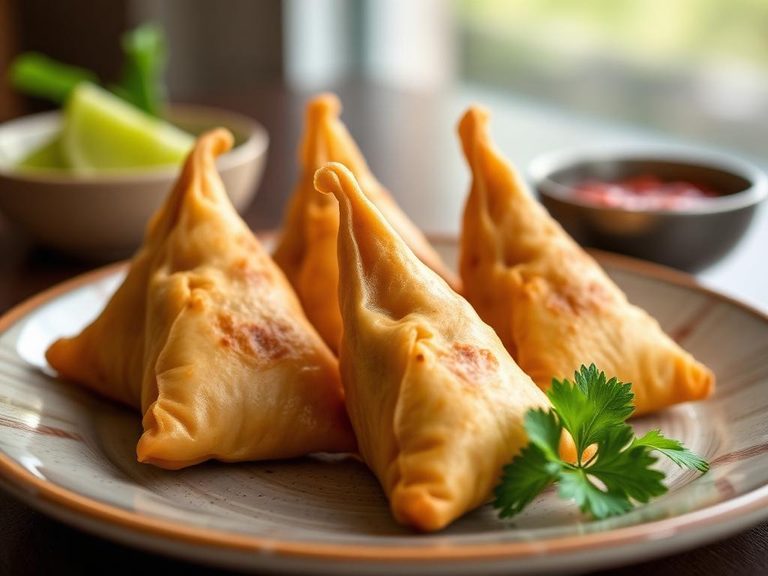
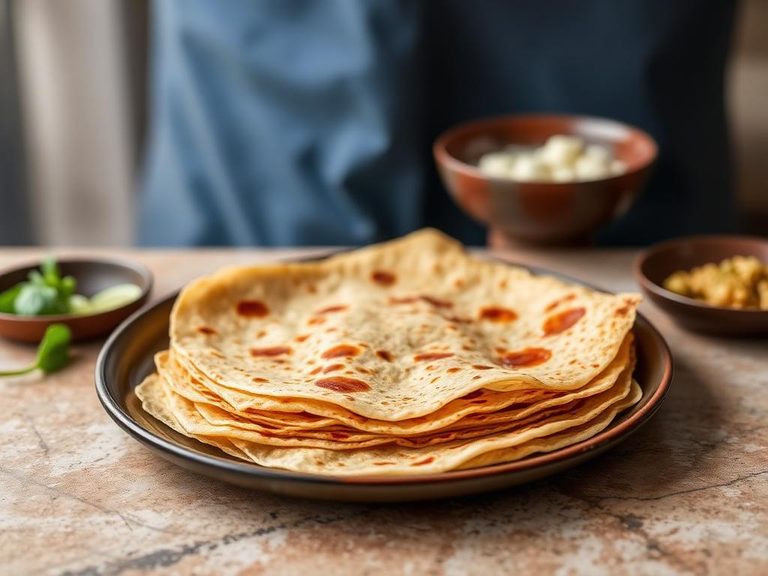
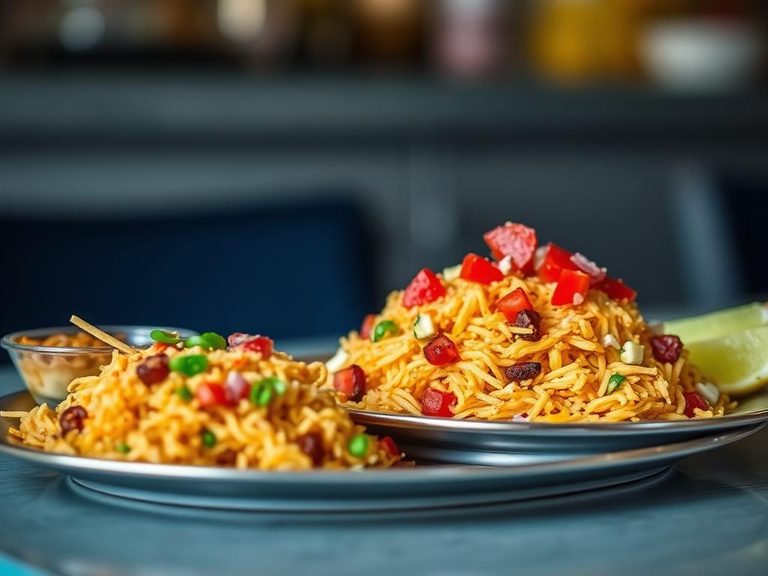

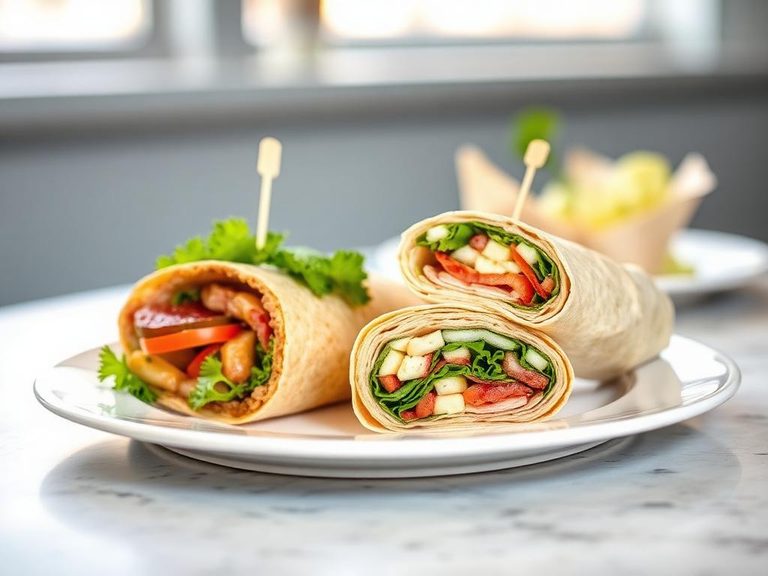
🌍 Where it's eaten
💡 Did you know?
The word 'chutney' derives from the Hindi word 'caṭnī', meaning 'to lick', perfectly describing its role as a finger-licking accompaniment.
Full nutrition (USDA data · scales with serving)
| Water | 36.3 g |
| Energy | 246 kcal |
| Protein | 0.33 g |
| Total lipid (fat) | 0.06 g |
| Carbohydrate, by difference | 60.6 g |
| Fiber, total dietary | 1.0 g |
| Total Sugars | 42.7 g |
| Calcium, Ca | 19.0 mg |
| Iron, Fe | 0.43 mg |
| Magnesium, Mg | 4.0 mg |
| Phosphorus, P | 17.0 mg |
| Potassium, K | 68.0 mg |
| Sodium, Na | 802 mg |
| Zinc, Zn | 0.05 mg |
| Copper, Cu | 0.09 mg |
| Selenium, Se | 1.8 ug |
| Vitamin C, total ascorbic acid | 7.7 mg |
| Thiamin | 0.01 mg |
| Riboflavin | 0.07 mg |
| Niacin | 0.03 mg |
| Vitamin B-6 | 0.02 mg |
| Folate, total | 10.0 ug |
| Folic acid | 0.00 ug |
| Folate, food | 10.0 ug |
| Folate, DFE | 10.0 ug |
| Choline, total | 9.0 mg |
| Vitamin B-12 | 0.00 ug |
| Vitamin B-12, added | 0.00 ug |
| Vitamin A, RAE | 0.00 ug |
| Retinol | 0.00 ug |
| Carotene, beta | 0.00 ug |
| Carotene, alpha | 0.00 ug |
| Cryptoxanthin, beta | 0.00 ug |
| Lycopene | 0.00 ug |
| Lutein + zeaxanthin | 0.00 ug |
| Vitamin E (alpha-tocopherol) | 0.11 mg |
| Vitamin E, added | 0.00 mg |
| Vitamin D (D2 + D3) | 0.00 ug |
| Vitamin K (phylloquinone) | 0.00 ug |
| Alcohol, ethyl | 0.00 g |
| Caffeine | 0.00 mg |
| Theobromine | 0.00 mg |
Fat & fatty acid profile (per 100g)
| Fatty acids, total saturated | 0.01 g |
| SFA 4:0 | 0.00 g |
| SFA 6:0 | 0.00 g |
| SFA 8:0 | 0.00 g |
| SFA 10:0 | 0.00 g |
| SFA 12:0 | 0.00 g |
| SFA 14:0 | 0.00 g |
| SFA 16:0 | 0.00 g |
| SFA 18:0 | 0.00 g |
| Fatty acids, total monounsaturated | 0.03 g |
| MUFA 16:1 | 0.00 g |
| MUFA 18:1 | 0.01 g |
| MUFA 20:1 | 0.02 g |
| MUFA 22:1 | 0.01 g |
| Fatty acids, total polyunsaturated | 0.00 g |
| PUFA 18:2 | 0.00 g |
| PUFA 18:3 | 0.00 g |
| PUFA 18:4 | 0.00 g |
| PUFA 20:4 | 0.00 g |
| PUFA 20:5 n-3 (EPA) | 0.00 g |
| PUFA 22:5 n-3 (DPA) | 0.00 g |
| PUFA 22:6 n-3 (DHA) | 0.00 g |
| Cholesterol | 0.00 mg |
FAQ
Is chutney the same as jam or relish?
While similar in texture to jam, chutney is distinctly savory-sweet-sour and spiced. It's closer to a relish but typically has a more complex, cooked-down flavor profile with vinegar and spices like cumin, coriander, and chili.
How long does homemade chutney last?
Properly sterilized and sealed in a jar, homemade chutney can last for several months in a cool, dark place. Once opened, it should be refrigerated and consumed within a few weeks.
Can I make chutney without sugar?
Traditional recipes rely on sugar for balance and preservation, but you can reduce it or use alternatives like jaggery or honey. Note that this will alter the taste, texture, and shelf life significantly.
Nutrient density (calculated · NRF9.3)
Nutrient Rich Foods index: beneficial nutrients (protein, fiber, vitamins, minerals) minus saturated fat, added sugar & sodium, per 100 kcal.
NRF9.3 index — Fulgoni, Keast & Drewnowski, 2009. Computed from USDA nutrients.
Weight-loss friendliness (composite index)
Energy density 2.46 kcal/g · 1% calories from protein · 1.0 g fiber · 42.7 g sugar per 100 g.
Composite of energy density (Rolls et al., 1999), protein & fiber satiety, minus sugar. A calculated heuristic — ranks satiety-per-calorie, not a clinical measure.
Dietary load (calculated from USDA values)
Potential renal acid load. Positive = acid-forming, negative = alkaline-forming.
Sodium-to-potassium ratio: 11.79 (lower is better — aim for ≤ 1)
Sodium:potassium per WHO potassium guidance. Computed from USDA nutrients.