

Sandwiches and Wraps
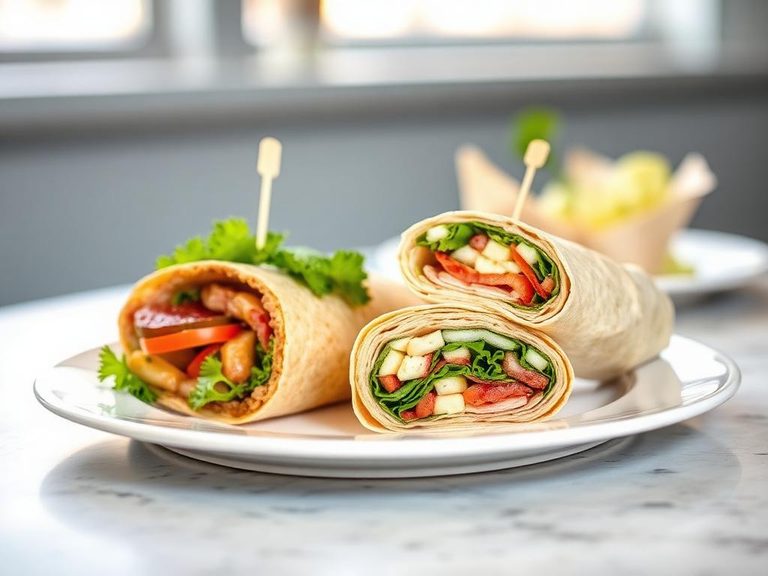
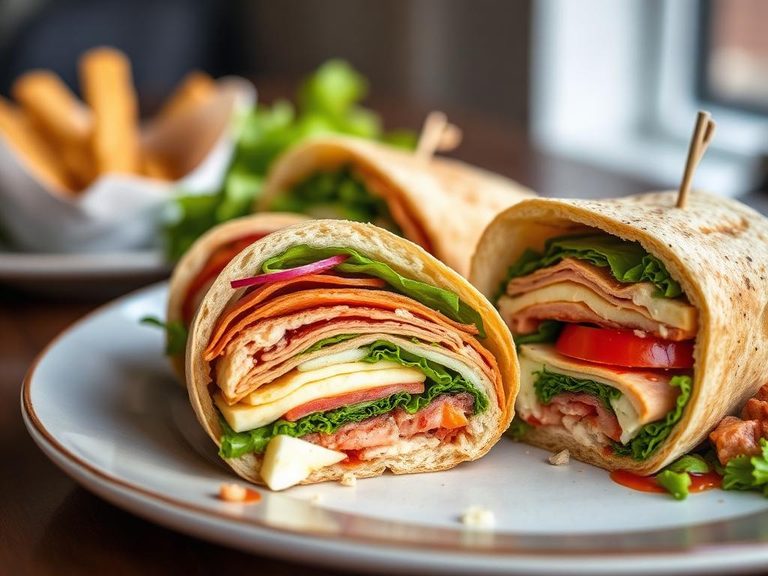
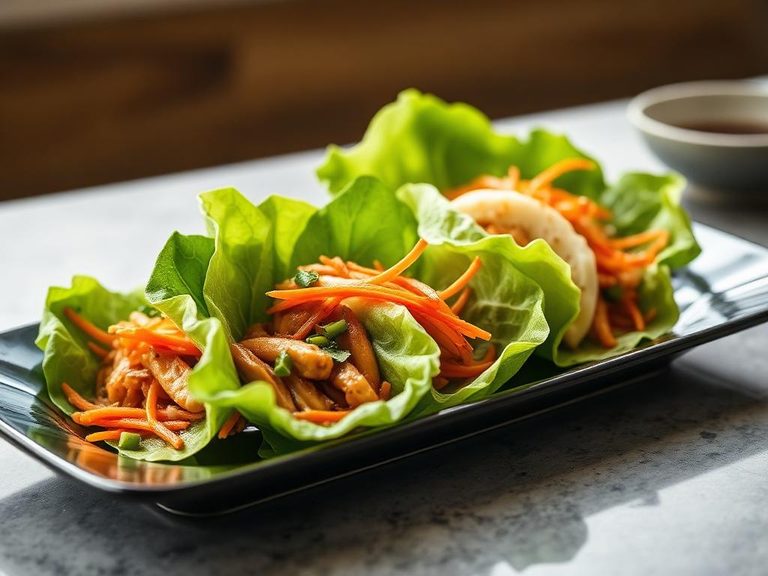
Sandwiches and wraps are versatile handheld meals consisting of fillings enclosed in bread or a flatbread, such as a tortilla. Fillings vary widely, from deli meats and cheeses to grilled vegetables and hummus, making them a global staple for quick lunches and casual dining. They are believed to have originated in various forms across Europe and the Middle East, with the modern sandwich named after the 18th-century English nobleman, John Montagu, 4th Earl of Sandwich.
🍽️ Nutrition at a glance
Nutritionally, sandwiches and wraps can range from balanced to indulgent, often providing a good source of protein and carbohydrates, but they can also be high in fat and sodium depending on ingredients. A typical serving generally offers a mix of macronutrients, with calories typically falling between 300-600 kcal, and they can be a convenient source of fiber, vitamins, and minerals if whole grains and plenty of vegetables are used.
Nutrition breakdown
| Calories | 420 kcal |
| Protein | 28 g |
| Carbs | 40 g |
| Fat | 18 g |
| Fiber | 6 g |
| Sugar | 4 g |
| Sodium | 890 mg |
| Vitamin K | 35 mcg |
| Vitamin C | 10 mg |
| Potassium | 450 mg |
| Iron | 3 mg |
| Calcium | 150 mg |
| Vitamin A | 80 mcg RAE |
| Magnesium | 40 mg |
| Zinc | 3 mg |
Per 1 turkey and avocado wrap (180 g) · estimated, varies by recipe
💡 What's interesting
Culturally, the sandwich is a symbol of convenience and adaptability, having been adopted and reinvented worldwide, from the Japanese katsu sando to the Mexican torta. Nutritionally, they are a unique canvas for building a balanced meal, allowing for easy customization to meet specific dietary needs, whether high-protein, low-carb, or vegetable-rich.
🍽️ Related dishes
AI estimate may be inaccurate · Terms