

Christophine, cooked
Common food

Photo: Wikipedia
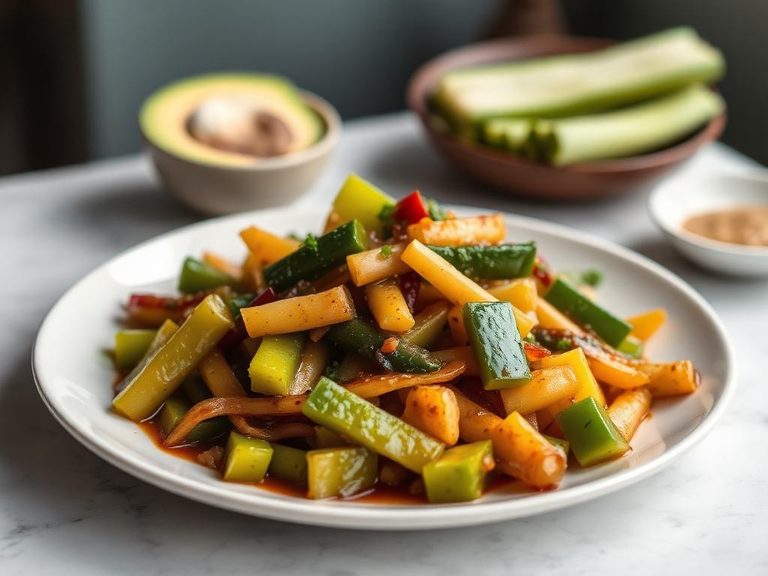
Christophine, also known as chayote, is a mild, crisp summer squash with a subtle, cucumber-like flavor and a texture that softens to a tender, slightly crunchy bite when cooked. It is exceptionally low in calories, providing only 44 kcal per 100g, while offering a good source of fiber (1.8g) and a surprisingly decent amount of healthy fats (2.87g) for a vegetable. Its neutral taste makes it a versatile canvas for absorbing spices, sauces, and the flavors of the dishes it's cooked in.
Calorie split: 7% protein · 39% carbs · 54% fat
↓ Full nutrition💚 Why it's loved
People love christophine for its incredible versatility; it can be boiled, steamed, sautéed, or stuffed, and its mild flavor makes it a perfect partner for bold seasonings like garlic, ginger, and chili. In Caribbean and Latin American cuisines, it's a beloved staple, often featured in comforting stews and salads that celebrate its unique, tender texture.
⚠️ Watch-outs & how to enjoy it better
The primary downside is its mild, almost bland flavor when cooked without seasoning, which can be unappealing to some. Additionally, its high water content can lead to a watery texture if not cooked properly, and it contains oxalates, which may be a concern for individuals with kidney issues. To counteract blandness, pair it with strong flavors like coconut milk, curry, or smoked meats; to avoid a watery texture, roast or sauté it at high heat, or add it late in a stew.
Key benefits
- Very low calorie density, ideal for weight management
- Good source of dietary fiber for digestive health
- Contains healthy monounsaturated fats (2.87g per 100g)
- Versatile ingredient that absorbs surrounding flavors
- Rich in vitamin C and potassium (commonly noted in its profile)
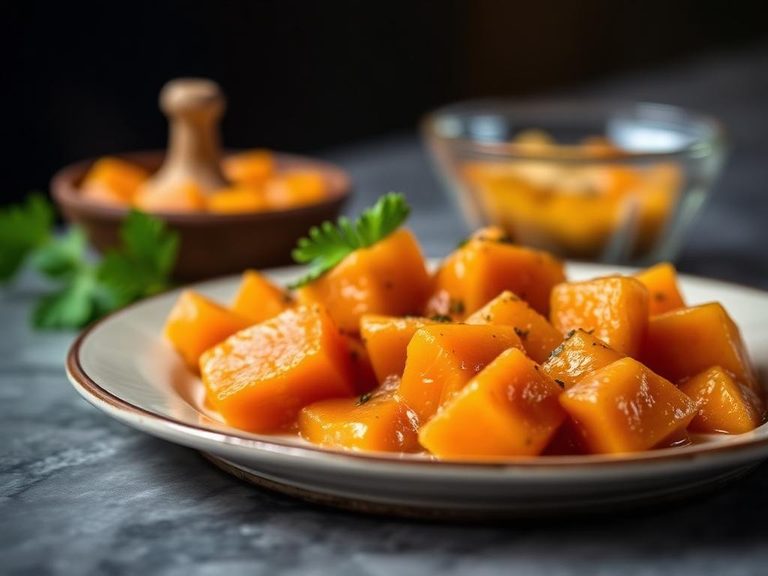
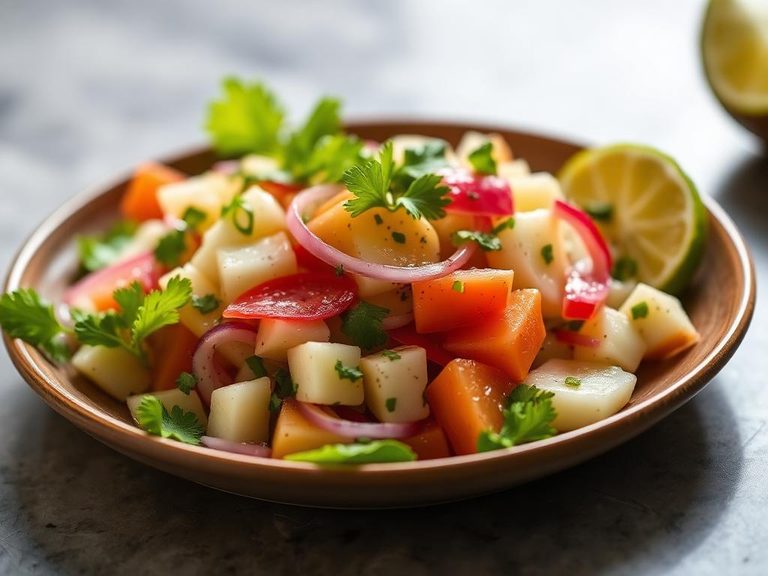
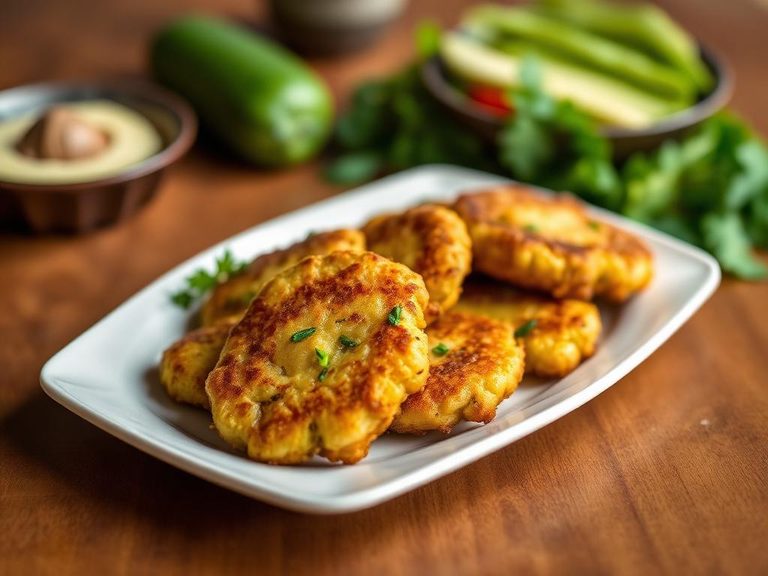
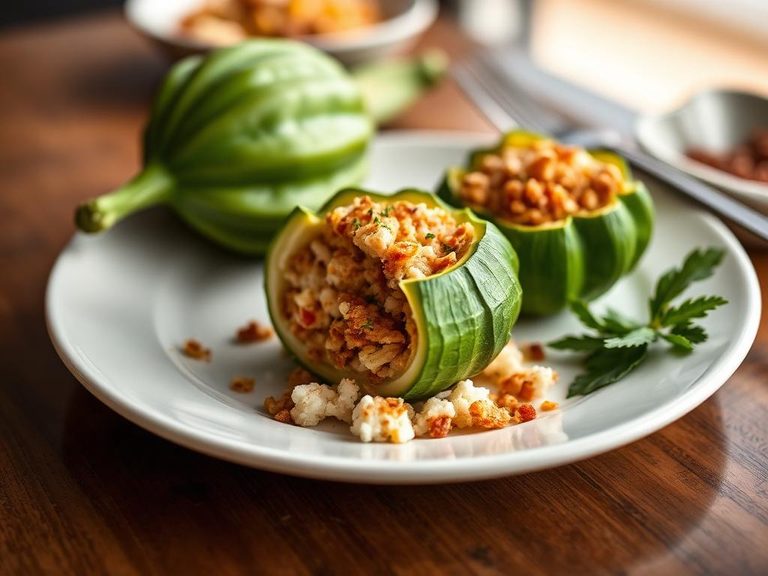
🍽️ Popular dishes

🌍 Where it's eaten
💡 Did you know?
The entire christophine plant is edible, including its leaves, stems, and even the single large seed inside, which has a nutty flavor when roasted.
Full nutrition (USDA data · scales with serving)
| Water | 90.9 g |
| Energy | 44.0 kcal |
| Protein | 0.86 g |
| Total lipid (fat) | 2.9 g |
| Carbohydrate, by difference | 4.7 g |
| Fiber, total dietary | 1.8 g |
| Total Sugars | 1.7 g |
| Calcium, Ca | 18.0 mg |
| Iron, Fe | 0.36 mg |
| Magnesium, Mg | 13.0 mg |
| Phosphorus, P | 19.0 mg |
| Potassium, K | 131 mg |
| Sodium, Na | 132 mg |
| Zinc, Zn | 0.77 mg |
| Copper, Cu | 0.13 mg |
| Selenium, Se | 0.20 ug |
| Vitamin C, total ascorbic acid | 6.8 mg |
| Thiamin | 0.02 mg |
| Riboflavin | 0.03 mg |
| Niacin | 0.47 mg |
| Vitamin B-6 | 0.09 mg |
| Folate, total | 82.0 ug |
| Folic acid | 0.00 ug |
| Folate, food | 82.0 ug |
| Folate, DFE | 82.0 ug |
| Choline, total | 9.8 mg |
| Vitamin B-12 | 0.00 ug |
| Vitamin B-12, added | 0.00 ug |
| Vitamin A, RAE | 12.0 ug |
| Retinol | 12.0 ug |
| Carotene, beta | 5.0 ug |
| Carotene, alpha | 0.00 ug |
| Cryptoxanthin, beta | 0.00 ug |
| Lycopene | 0.00 ug |
| Lutein + zeaxanthin | 0.00 ug |
| Vitamin E (alpha-tocopherol) | 0.53 mg |
| Vitamin E, added | 0.00 mg |
| Vitamin D (D2 + D3) | 0.00 ug |
| Vitamin K (phylloquinone) | 6.5 ug |
| Alcohol, ethyl | 0.00 g |
| Caffeine | 0.00 mg |
| Theobromine | 0.00 mg |
Fat & fatty acid profile (per 100g)
| Fatty acids, total saturated | 0.74 g |
| SFA 4:0 | 0.02 g |
| SFA 6:0 | 0.01 g |
| SFA 8:0 | 0.01 g |
| SFA 10:0 | 0.02 g |
| SFA 12:0 | 0.02 g |
| SFA 14:0 | 0.07 g |
| SFA 16:0 | 0.42 g |
| SFA 18:0 | 0.15 g |
| Fatty acids, total monounsaturated | 0.98 g |
| MUFA 16:1 | 0.01 g |
| MUFA 18:1 | 0.94 g |
| MUFA 20:1 | 0.01 g |
| MUFA 22:1 | 0.00 g |
| Fatty acids, total polyunsaturated | 0.84 g |
| PUFA 18:2 | 0.72 g |
| PUFA 18:3 | 0.13 g |
| PUFA 18:4 | 0.00 g |
| PUFA 20:4 | 0.00 g |
| PUFA 20:5 n-3 (EPA) | 0.00 g |
| PUFA 22:5 n-3 (DPA) | 0.00 g |
| PUFA 22:6 n-3 (DHA) | 0.00 g |
| Cholesterol | 2.0 mg |
FAQ
Is christophine the same as chayote?
Yes, christophine is the common name used in the Caribbean and parts of the French-speaking world, while chayote is the more widely recognized English name, especially in the US and Latin America. They refer to the same vegetable, Sechium edule.
How do I prepare christophine for cooking?
Wash it thoroughly, then peel the skin if desired (it's edible but can be tough). Cut it in half, remove the seed, and slice or dice it. It can be boiled, steamed, sautéed, or roasted.
What does cooked christophine taste like?
Cooked christophine has a mild, slightly sweet, and crisp flavor, similar to a cross between a cucumber and a zucchini. It's not overpowering, making it a great base for absorbing spices and sauces.
Nutrient density (calculated · NRF9.3)
Nutrient Rich Foods index: beneficial nutrients (protein, fiber, vitamins, minerals) minus saturated fat, added sugar & sodium, per 100 kcal.
NRF9.3 index — Fulgoni, Keast & Drewnowski, 2009. Computed from USDA nutrients.
Weight-loss friendliness (composite index)
Energy density 0.44 kcal/g · 8% calories from protein · 1.8 g fiber · 1.7 g sugar per 100 g.
Composite of energy density (Rolls et al., 1999), protein & fiber satiety, minus sugar. A calculated heuristic — ranks satiety-per-calorie, not a clinical measure.
Dietary load (calculated from USDA values)
Potential renal acid load. Positive = acid-forming, negative = alkaline-forming.
Sodium-to-potassium ratio: 1.01 (lower is better — aim for ≤ 1)
Sodium:potassium per WHO potassium guidance. Computed from USDA nutrients.