

Chocolate candy with cereal
Common food
A crunchy, sweet confection where puffed rice or oat cereal is enrobed in a rich milk or dark chocolate coating. The texture is a delightful contrast between the crisp, airy cereal and the smooth, melting chocolate. Nutritionally, it's a high-energy, high-sugar treat, providing a quick carbohydrate boost.
Calorie split: 6% protein · 45% carbs · 50% fat
↓ Full nutrition💚 Why it's loved
People adore it for the perfect marriage of textures—the satisfying crunch of cereal against creamy chocolate—and its nostalgic, comforting sweetness. It's a versatile snack enjoyed straight from the bag, as a topping for desserts, or crumbled over ice cream.
⚠️ Watch-outs & how to enjoy it better
The high sugar content (over 50g per 100g) can lead to rapid blood-sugar spikes and subsequent energy crashes, making it a poor choice for those managing diabetes or seeking sustained energy. To mitigate this, pair a small portion with a source of protein or healthy fat (like a handful of nuts) to slow sugar absorption, and strictly practice portion control by measuring a single serving instead of eating from the bag.
Key benefits
- Quick source of energy from carbohydrates
- Convenient, portable snack format
- Provides a small amount of dietary fiber
- Contains some protein from cereal and milk solids
- Satisfies sweet cravings effectively
🍽️ Popular dishes
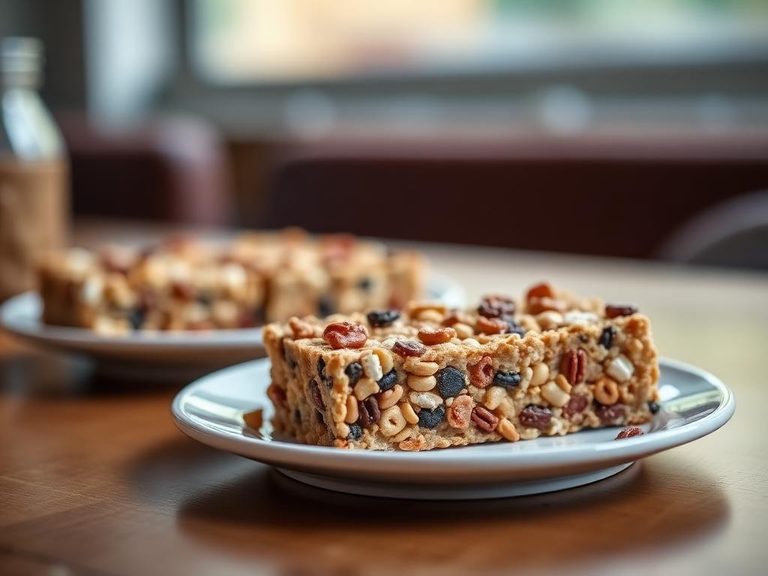
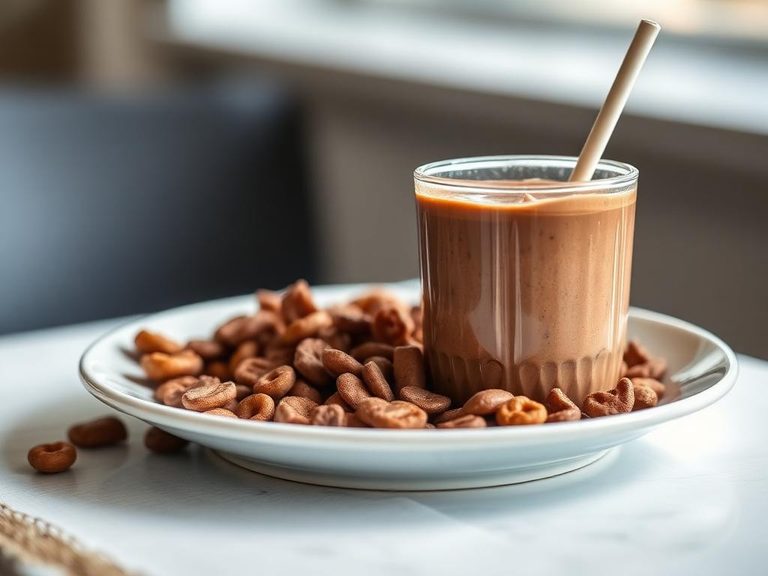
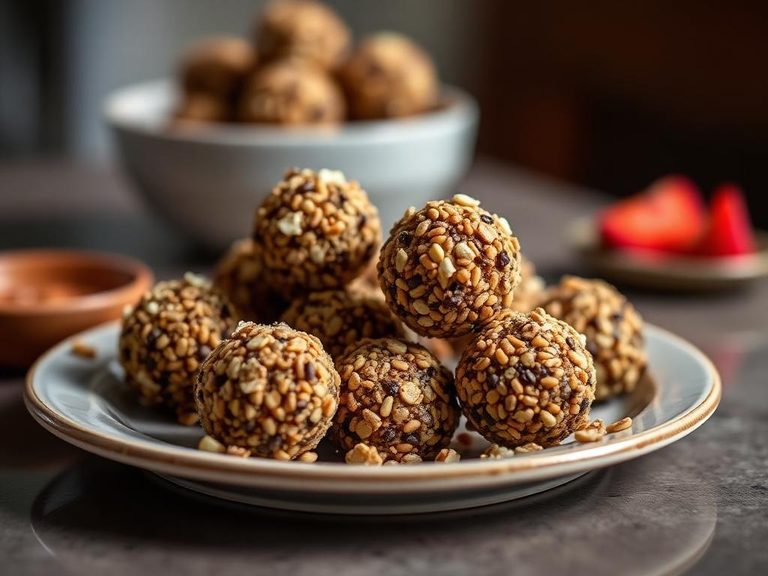

🌍 Where it's eaten
💡 Did you know?
The concept of coating cereal in chocolate was popularized in the 1920s-30s as a way to market cereal as a more appealing breakfast or snack, with brands like Crispy Critters and Cocoa Krispies leading the trend.
Full nutrition (USDA data · scales with serving)
| Water | 1.5 g |
| Energy | 511 kcal |
| Protein | 7.6 g |
| Total lipid (fat) | 29.4 g |
| Carbohydrate, by difference | 59.7 g |
| Fiber, total dietary | 3.3 g |
| Total Sugars | 51.1 g |
| Calcium, Ca | 187 mg |
| Iron, Fe | 2.6 mg |
| Magnesium, Mg | 62.0 mg |
| Phosphorus, P | 207 mg |
| Potassium, K | 370 mg |
| Sodium, Na | 86.0 mg |
| Zinc, Zn | 2.3 mg |
| Copper, Cu | 0.49 mg |
| Selenium, Se | 4.6 ug |
| Vitamin C, total ascorbic acid | 0.60 mg |
| Thiamin | 0.13 mg |
| Riboflavin | 0.32 mg |
| Niacin | 0.67 mg |
| Vitamin B-6 | 0.06 mg |
| Folate, total | 18.0 ug |
| Folic acid | 6.0 ug |
| Folate, food | 11.0 ug |
| Folate, DFE | 21.0 ug |
| Choline, total | 45.8 mg |
| Vitamin B-12 | 0.80 ug |
| Vitamin B-12, added | 0.05 ug |
| Vitamin A, RAE | 65.0 ug |
| Retinol | 65.0 ug |
| Carotene, beta | 0.00 ug |
| Carotene, alpha | 0.00 ug |
| Cryptoxanthin, beta | 0.00 ug |
| Lycopene | 0.00 ug |
| Lutein + zeaxanthin | 6.0 ug |
| Vitamin E (alpha-tocopherol) | 0.50 mg |
| Vitamin E, added | 0.00 mg |
| Vitamin D (D2 + D3) | 0.00 ug |
| Vitamin K (phylloquinone) | 5.7 ug |
| Alcohol, ethyl | 0.00 g |
| Caffeine | 20.0 mg |
| Theobromine | 203 mg |
Fat & fatty acid profile (per 100g)
| Fatty acids, total saturated | 15.9 g |
| SFA 4:0 | 0.56 g |
| SFA 6:0 | 0.20 g |
| SFA 8:0 | 0.12 g |
| SFA 10:0 | 0.22 g |
| SFA 12:0 | 0.24 g |
| SFA 14:0 | 0.74 g |
| SFA 16:0 | 6.6 g |
| SFA 18:0 | 6.8 g |
| Fatty acids, total monounsaturated | 8.6 g |
| MUFA 16:1 | 0.24 g |
| MUFA 18:1 | 8.2 g |
| MUFA 20:1 | 0.00 g |
| MUFA 22:1 | 0.00 g |
| Fatty acids, total polyunsaturated | 0.78 g |
| PUFA 18:2 | 0.66 g |
| PUFA 18:3 | 0.04 g |
| PUFA 18:4 | 0.00 g |
| PUFA 20:4 | 0.00 g |
| PUFA 20:5 n-3 (EPA) | 0.00 g |
| PUFA 22:5 n-3 (DPA) | 0.00 g |
| PUFA 22:6 n-3 (DHA) | 0.00 g |
| Cholesterol | 23.0 mg |
FAQ
Is chocolate cereal a good breakfast?
While convenient, it is typically very high in added sugar and low in protein and fiber compared to recommended breakfast options. It can cause a mid-morning energy slump. A better choice would be plain cereal with milk and fruit, or oatmeal with nuts.
How can I make a healthier version at home?
Use dark chocolate (70%+ cocoa) for less sugar and more antioxidants, choose a whole-grain, low-sugar cereal base, and consider adding seeds (chia, flax) or nuts for extra fiber, protein, and healthy fats.
Why does the chocolate sometimes get a white, dusty look?
This is called 'sugar bloom.' It happens when moisture dissolves the sugar crystals on the chocolate's surface, which then recrystallize as the moisture evaporates. It's harmless to eat but affects appearance and texture.
Nutrient density (calculated · NRF9.3)
Nutrient Rich Foods index: beneficial nutrients (protein, fiber, vitamins, minerals) minus saturated fat, added sugar & sodium, per 100 kcal.
NRF9.3 index — Fulgoni, Keast & Drewnowski, 2009. Computed from USDA nutrients.
Weight-loss friendliness (composite index)
Energy density 5.11 kcal/g · 6% calories from protein · 3.3 g fiber · 51.1 g sugar per 100 g.
Composite of energy density (Rolls et al., 1999), protein & fiber satiety, minus sugar. A calculated heuristic — ranks satiety-per-calorie, not a clinical measure.
Dietary load (calculated from USDA values)
Potential renal acid load. Positive = acid-forming, negative = alkaline-forming.
Sodium-to-potassium ratio: 0.23 (lower is better — aim for ≤ 1)
Sodium:potassium per WHO potassium guidance. Computed from USDA nutrients.