Cheese, Swiss
Common food
Swiss cheese is a semi-hard cow's milk cheese distinguished by its signature holes, or 'eyes,' which form during the fermentation process. It boasts a mild, nutty, and slightly sweet flavor with a firm, smooth texture that melts beautifully. Nutritionally, it is a powerhouse of protein and fat, offering a very low carbohydrate content.
💚 Why it's loved
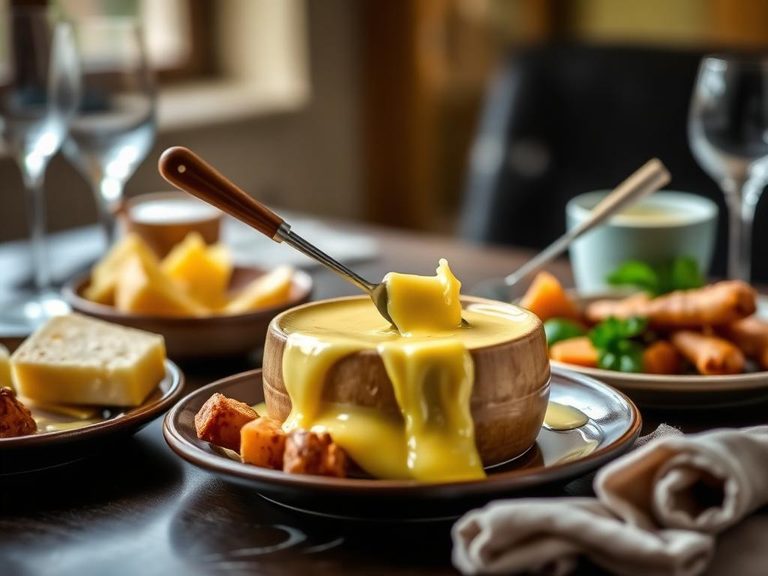
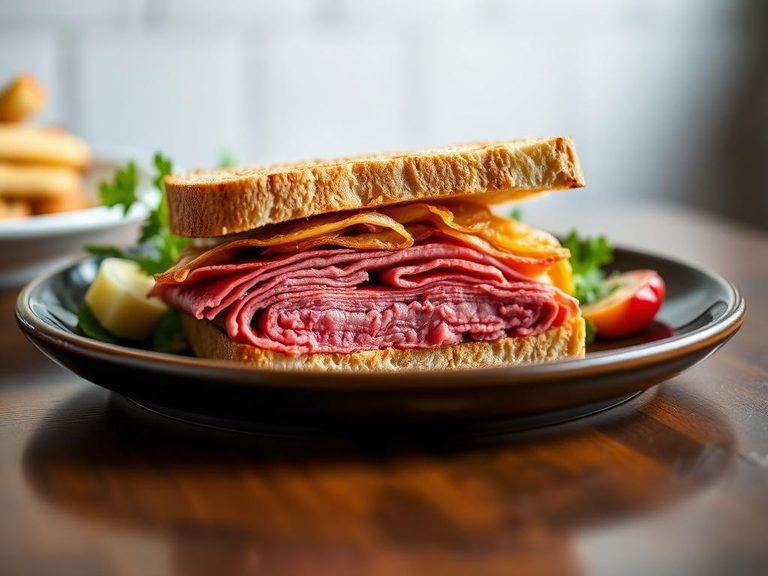
People love Swiss cheese for its unique, savory nuttiness and satisfyingly firm texture, which makes it a versatile ingredient from sandwiches to fondue. It carries a cultural prestige from Alpine cheesemaking traditions, adding a touch of European sophistication to any dish.
⚠️ Watch-outs & how to enjoy it better
Its high sodium content can be a concern for those monitoring salt intake, and the high fat density means portions should be mindful. To counteract this, pair it with fiber-rich vegetables or lean proteins, and use it as a flavorful accent rather than the main component.
Key benefits
- Excellent source of high-quality protein for muscle maintenance.
- Rich in calcium for bone health.
- Low in carbohydrates, suitable for ketogenic and low-carb diets.
- Good source of vitamin B12 for nerve function.
🍽️ Popular dishes
🌍 Where it's eaten
💡 Did you know?
The holes in Swiss cheese, called 'eyes,' are created by carbon dioxide bubbles released by bacteria during the aging process, and their size is regulated by Swiss law.
Full nutrition (scales with serving)
| Water | 37.6 g |
| Energy | 393 kcal |
| Protein | 27.0 g |
| Total lipid (fat) | 31.0 g |
| Carbohydrate, by difference | 1.4 g |
| Fiber, total dietary | 0.00 g |
| Total Sugars | 0.00 g |
| Calcium, Ca | 890 mg |
| Iron, Fe | 0.13 mg |
| Magnesium, Mg | 33.0 mg |
| Phosphorus, P | 574 mg |
| Potassium, K | 71.0 mg |
| Sodium, Na | 185 mg |
| Zinc, Zn | 4.4 mg |
| Copper, Cu | 0.05 mg |
| Selenium, Se | 30.1 ug |
| Vitamin C, total ascorbic acid | 0.00 mg |
| Thiamin | 0.01 mg |
| Riboflavin | 0.30 mg |
| Niacin | 0.06 mg |
| Vitamin B-6 | 0.07 mg |
| Folate, total | 9.0 ug |
| Folic acid | 0.00 ug |
| Folate, food | 9.0 ug |
| Folate, DFE | 9.0 ug |
| Choline, total | 13.8 mg |
| Vitamin B-12 | 3.0 ug |
| Vitamin B-12, added | 0.00 ug |
| Vitamin A, RAE | 292 ug |
| Retinol | 287 ug |
| Carotene, beta | 60.0 ug |
| Carotene, alpha | 1.0 ug |
| Cryptoxanthin, beta | 2.0 ug |
| Lycopene | 1.0 ug |
| Lutein + zeaxanthin | 8.0 ug |
| Vitamin E (alpha-tocopherol) | 0.60 mg |
| Vitamin E, added | 0.00 mg |
| Vitamin D (D2 + D3) | 0.00 ug |
| Vitamin K (phylloquinone) | 1.4 ug |
| Fatty acids, total saturated | 18.2 g |
| SFA 4:0 | 0.68 g |
| SFA 6:0 | 0.54 g |
| SFA 8:0 | 0.33 g |
| SFA 10:0 | 0.77 g |
| SFA 12:0 | 0.87 g |
| SFA 14:0 | 2.9 g |
| SFA 16:0 | 8.3 g |
| SFA 18:0 | 3.2 g |
| Fatty acids, total monounsaturated | 7.3 g |
| MUFA 16:1 | 0.57 g |
| MUFA 18:1 | 7.1 g |
| MUFA 20:1 | 0.06 g |
| MUFA 22:1 | 0.00 g |
| Fatty acids, total polyunsaturated | 1.1 g |
| PUFA 18:2 | 1.1 g |
| PUFA 18:3 | 0.13 g |
| PUFA 18:4 | 0.00 g |
| PUFA 20:4 | 0.05 g |
| PUFA 20:5 n-3 (EPA) | 0.01 g |
| PUFA 22:5 n-3 (DPA) | 0.02 g |
| PUFA 22:6 n-3 (DHA) | 0.00 g |
| Cholesterol | 93.0 mg |
| Alcohol, ethyl | 0.00 g |
| Caffeine | 0.00 mg |
| Theobromine | 0.00 mg |
FAQ
Is Swiss cheese low in lactose?
Yes, Swiss cheese is very low in lactose because the bacteria used in its production consume most of the lactose during fermentation, making it tolerable for many with lactose sensitivity.
What makes Swiss cheese different from other cheeses?
Swiss cheese is defined by its large holes (eyes), mild nutty flavor, and a specific bacterial culture (Propionibacterium freudenreichii) that produces the CO2 for the holes and its characteristic taste.
Can Swiss cheese be used in cooking?
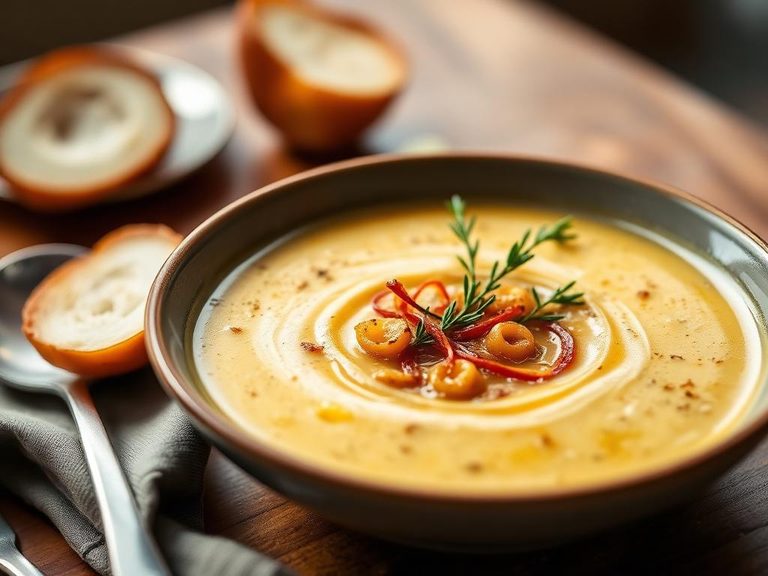
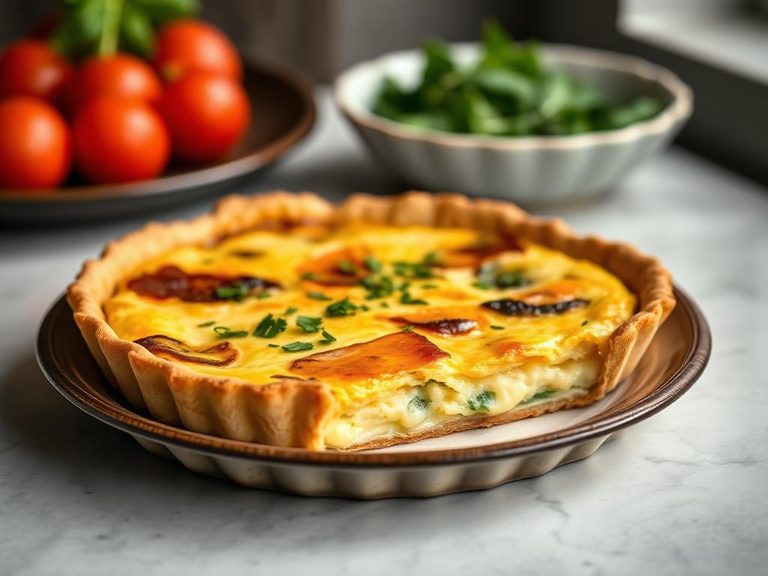
Absolutely. Its excellent melting properties make it ideal for fondue, gratins, sandwiches, and soups. It adds a rich, savory depth without overpowering other ingredients.