

Bread, pita, white, unenriched
Whole food · Baked Products

Photo: Wikipedia
White pita is a soft, pocketed flatbread with a mild, slightly wheaty flavor and a tender, chewy texture that crisps beautifully when toasted. Nutritionally, it's a lean, carbohydrate-focused staple, providing a solid energy base with minimal fat. Its defining feature is the steam-created pocket, perfect for stuffing or dipping.
Calorie split: 13% protein · 83% carbs · 4% fat
↓ Full nutrition💚 Why it's loved
People adore pita for its incredible versatility—it acts as a plate, a scoop, or a wrap, making it the ultimate edible utensil. Its mild flavor and satisfying chew make it a perfect canvas for bold fillings and dips.
⚠️ Watch-outs & how to enjoy it better
As a refined white bread, it can cause quicker blood-sugar spikes compared to whole-grain versions. To counteract this, pair it with protein (like hummus or grilled chicken) and healthy fats (like olive oil or avocado) to slow digestion. Those watching sodium should be aware that store-bought pita can be surprisingly salty.
Key benefits
- Low in fat (1.2g per 100g)
- Good source of energy-dense complex carbs
- Contains some plant-based protein (9.1g per 100g)
- Provides dietary fiber (2.2g per 100g)
- Versatile base for both hot and cold dishes
🍽️ Popular dishes
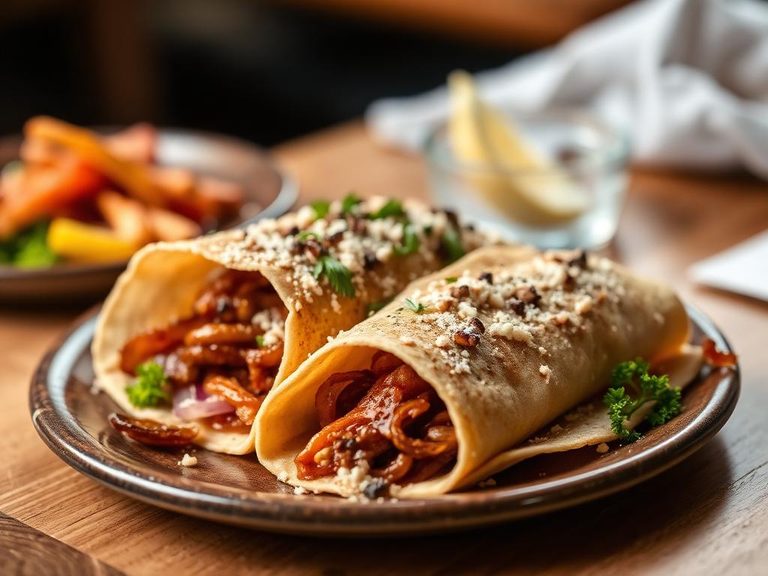
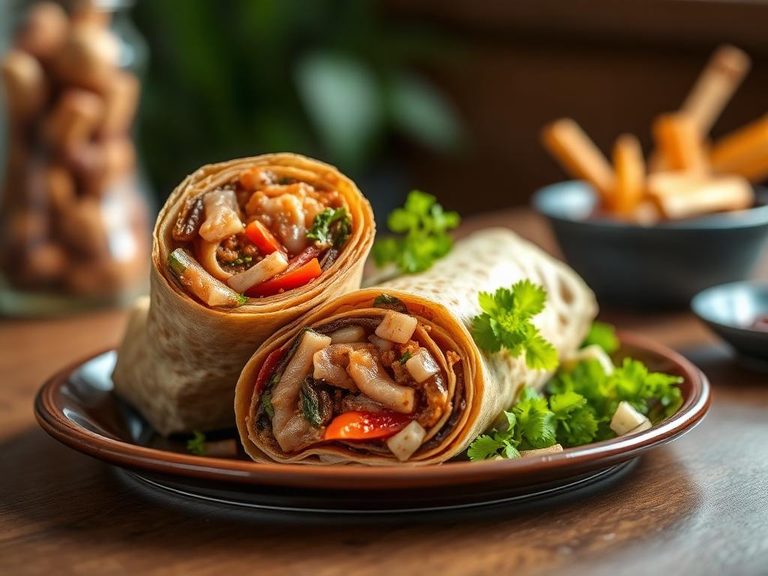
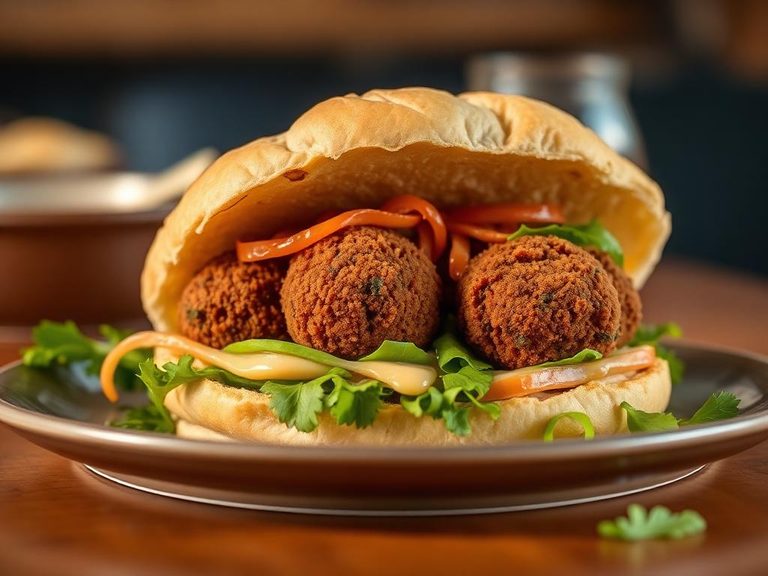
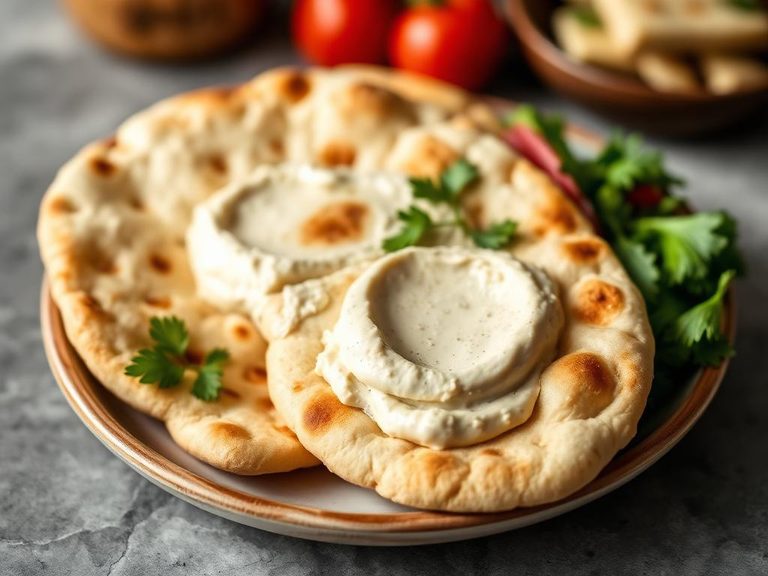
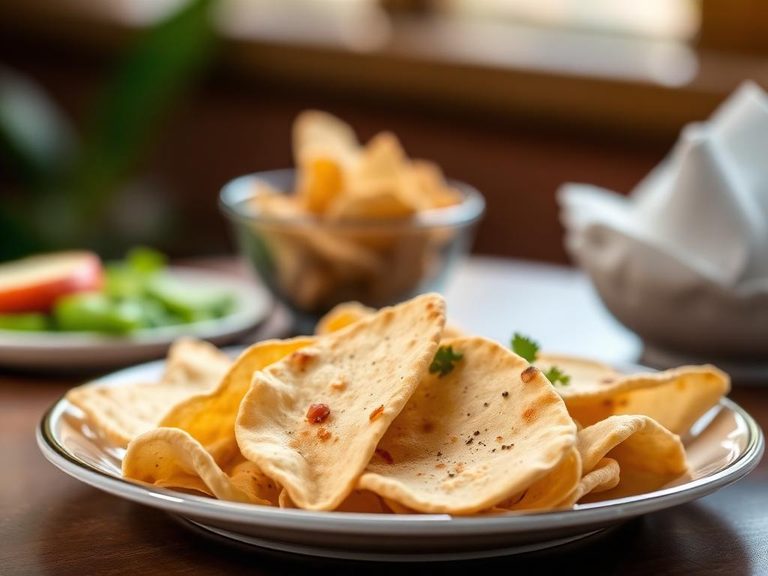
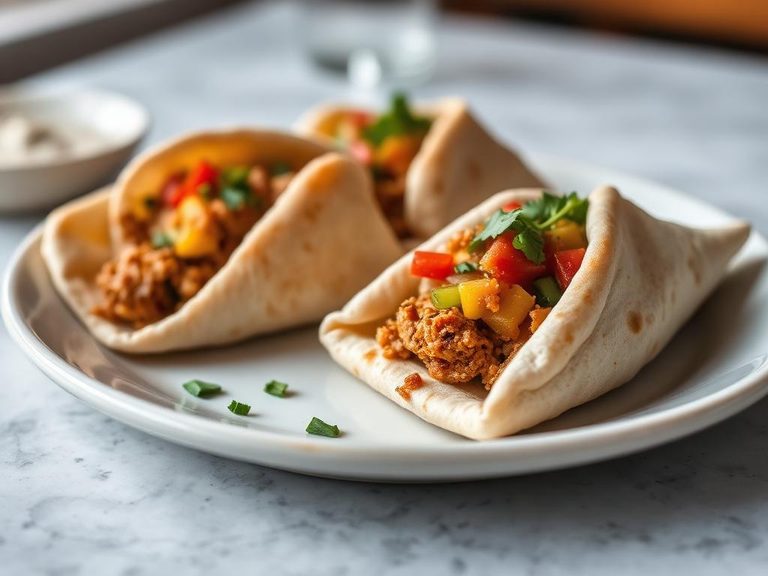
🌍 Where it's eaten
💡 Did you know?
The pocket in pita bread isn't created by a special fold, but by the intense heat of the oven, which causes water in the dough to turn to steam and puff the bread into a balloon, separating the top and bottom layers.
Full nutrition (USDA data · scales with serving)
| Water | 32.1 g |
| Energy | 275 kcal |
| Energy | 1151 kj |
| Protein | 9.1 g |
| Total lipid (fat) | 1.2 g |
| Ash | 1.9 g |
| Carbohydrate, by difference | 55.7 g |
| Fiber, total dietary | 2.2 g |
| Calcium, Ca | 86.0 mg |
| Iron, Fe | 1.4 mg |
| Magnesium, Mg | 26.0 mg |
| Phosphorus, P | 97.0 mg |
| Potassium, K | 120 mg |
| Sodium, Na | 536 mg |
| Zinc, Zn | 0.84 mg |
| Copper, Cu | 0.17 mg |
| Manganese, Mn | 0.48 mg |
| Vitamin C, total ascorbic acid | 0.00 mg |
| Thiamin | 0.27 mg |
| Riboflavin | 0.10 mg |
| Niacin | 2.1 mg |
| Pantothenic acid | 0.40 mg |
| Vitamin B-6 | 0.03 mg |
| Folate, total | 24.0 ug |
| Folic acid | 0.00 ug |
| Folate, food | 24.0 ug |
| Folate, DFE | 24.0 ug |
| Vitamin B-12 | 0.00 ug |
| Vitamin A, RAE | 0.00 ug |
| Retinol | 0.00 ug |
| Vitamin A, IU | 0.00 iu |
Fat & fatty acid profile (per 100g)
| Fatty acids, total saturated | 0.17 g |
| SFA 12:0 | 0.00 g |
| SFA 16:0 | 0.16 g |
| SFA 18:0 | 0.01 g |
| Fatty acids, total monounsaturated | 0.10 g |
| MUFA 16:1 | 0.01 g |
| MUFA 18:1 | 0.09 g |
| Fatty acids, total polyunsaturated | 0.54 g |
| PUFA 18:2 | 0.51 g |
| PUFA 18:3 | 0.02 g |
| Cholesterol | 0.00 mg |
Amino acid profile (per 100g)
| Tryptophan | 0.10 g |
| Threonine | 0.26 g |
| Isoleucine | 0.35 g |
| Leucine | 0.63 g |
| Lysine | 0.22 g |
| Methionine | 0.16 g |
| Cystine | 0.20 g |
| Phenylalanine | 0.45 g |
| Tyrosine | 0.26 g |
| Valine | 0.39 g |
| Arginine | 0.33 g |
| Histidine | 0.20 g |
| Alanine | 0.30 g |
| Aspartic acid | 0.41 g |
| Glutamic acid | 3.0 g |
| Glycine | 0.32 g |
| Proline | 1.0 g |
| Serine | 0.44 g |
FAQ
What's the difference between white and whole wheat pita?
White pita is made from refined flour, giving it a lighter color and softer texture. Whole wheat pita uses flour from the entire wheat kernel, offering more fiber, nutrients, and a denser, nuttier flavor.
How do I keep pita soft?
Store it in a sealed plastic bag at room temperature for a few days. For longer storage, freeze it. To refresh stale pita, lightly sprinkle with water and warm in a skillet, oven, or toaster.
Can I make pita at home?
Yes! Homemade pita requires a simple yeast dough, a very hot oven (or a specialized pita oven), and the magic happens when the dough puffs up in seconds, creating the pocket.
Nutrient density (calculated · NRF9.3)
Nutrient Rich Foods index: beneficial nutrients (protein, fiber, vitamins, minerals) minus saturated fat, added sugar & sodium, per 100 kcal.
NRF9.3 index — Fulgoni, Keast & Drewnowski, 2009. Computed from USDA nutrients.
Weight-loss friendliness (composite index)
Energy density 2.75 kcal/g · 13% calories from protein · 2.2 g fiber · 0.0 g sugar per 100 g.
Composite of energy density (Rolls et al., 1999), protein & fiber satiety, minus sugar. A calculated heuristic — ranks satiety-per-calorie, not a clinical measure.
Dietary load (calculated from USDA values)
Potential renal acid load. Positive = acid-forming, negative = alkaline-forming.
Sodium-to-potassium ratio: 4.47 (lower is better — aim for ≤ 1)
Sodium:potassium per WHO potassium guidance. Computed from USDA nutrients.