

Brandy
Common food

Photo: Wikipedia
Brandy is a spirit distilled from fermented fruit juice, most commonly grapes, then aged in wooden casks. It offers a smooth, warming texture with complex notes of vanilla, dried fruit, and spice, with virtually no protein, carbs, or fat, delivering about 231 calories per 100ml from alcohol alone.
💚 Why it's loved
People love brandy for its rich, complex flavor profile that can range from fruity and floral to deep and oaky, often enjoyed as a sophisticated after-dinner digestif or a versatile cocktail base.
⚠️ Watch-outs & how to enjoy it better
As a high-proof spirit, it is calorie-dense without nutritional benefit and excessive consumption can impair judgment and health. To enjoy responsibly, practice strict portion control (e.g., a standard 1.5 oz pour) and avoid mixing with sugary mixers that add empty calories.
Key benefits
- Source of antioxidants like polyphenols from grape skins and wood aging
- May promote relaxation in moderate social settings
- Used in culinary applications for flavor enhancement
- Contains no sugar, carbs, or fat
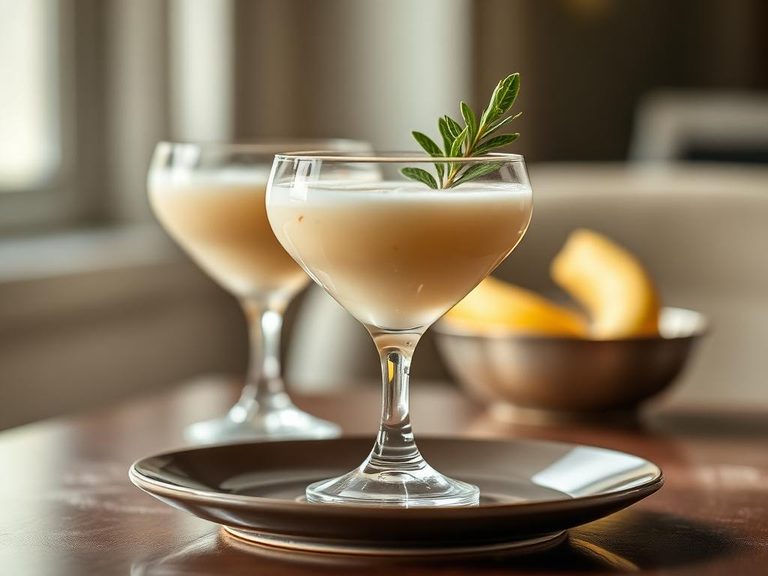
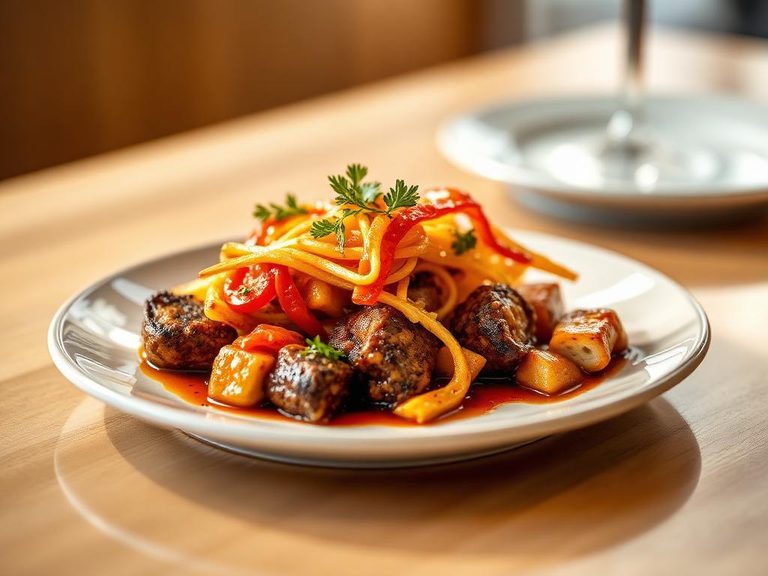
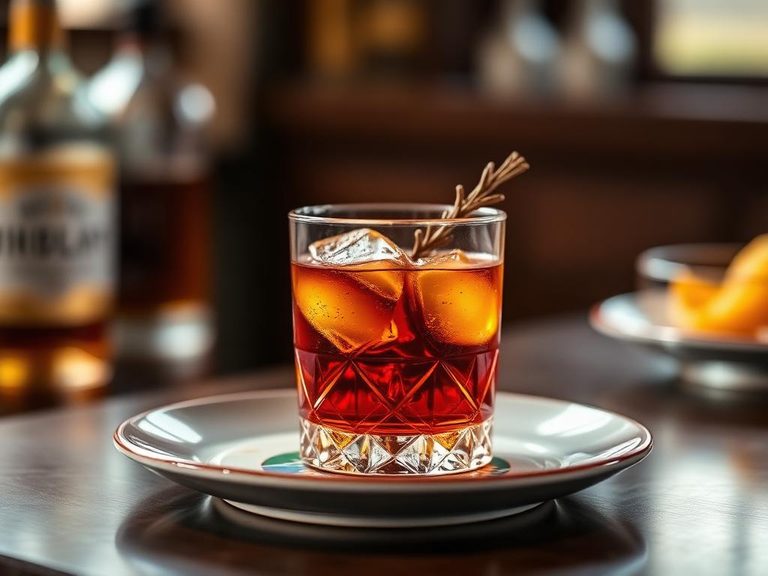
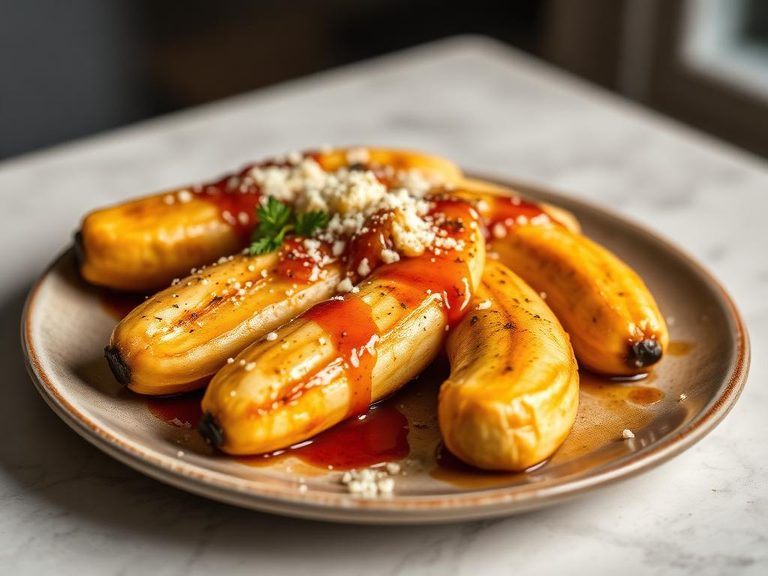
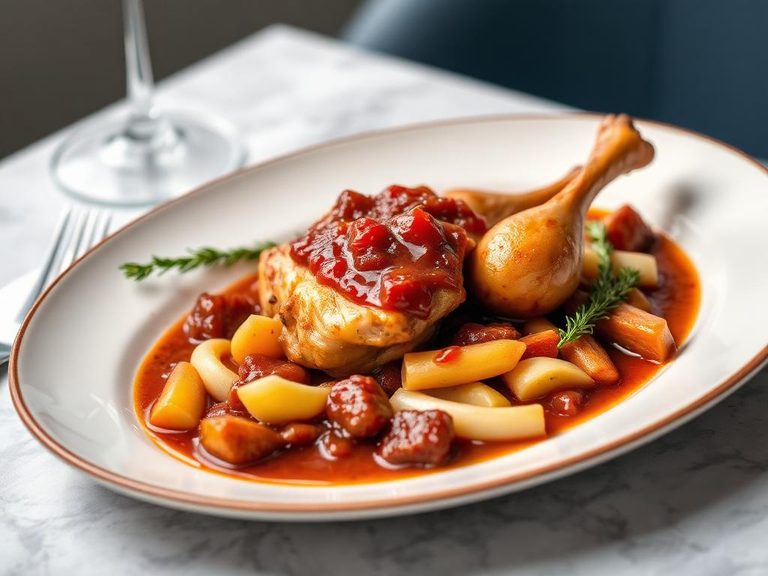
🍽️ Popular dishes

🌍 Where it's eaten
💡 Did you know?
The shape of the classic brandy snifter glass, with its wide bowl and narrow top, is specifically designed to trap and concentrate the spirit's aromatic vapors for a richer sensory experience.
Full nutrition (USDA data · scales with serving)
| Water | 66.6 g |
| Energy | 231 kcal |
| Protein | 0.00 g |
| Total lipid (fat) | 0.00 g |
| Carbohydrate, by difference | 0.00 g |
| Fiber, total dietary | 0.00 g |
| Total Sugars | 0.00 g |
| Calcium, Ca | 0.00 mg |
| Iron, Fe | 0.04 mg |
| Magnesium, Mg | 0.00 mg |
| Phosphorus, P | 4.0 mg |
| Potassium, K | 2.0 mg |
| Sodium, Na | 1.0 mg |
| Zinc, Zn | 0.04 mg |
| Copper, Cu | 0.02 mg |
| Selenium, Se | 0.00 ug |
| Vitamin C, total ascorbic acid | 0.00 mg |
| Thiamin | 0.01 mg |
| Riboflavin | 0.00 mg |
| Niacin | 0.01 mg |
| Vitamin B-6 | 0.00 mg |
| Folate, total | 0.00 ug |
| Folic acid | 0.00 ug |
| Folate, food | 0.00 ug |
| Folate, DFE | 0.00 ug |
| Choline, total | 0.00 mg |
| Vitamin B-12 | 0.00 ug |
| Vitamin B-12, added | 0.00 ug |
| Vitamin A, RAE | 0.00 ug |
| Retinol | 0.00 ug |
| Carotene, beta | 0.00 ug |
| Carotene, alpha | 0.00 ug |
| Cryptoxanthin, beta | 0.00 ug |
| Lycopene | 0.00 ug |
| Lutein + zeaxanthin | 0.00 ug |
| Vitamin E (alpha-tocopherol) | 0.00 mg |
| Vitamin E, added | 0.00 mg |
| Vitamin D (D2 + D3) | 0.00 ug |
| Vitamin K (phylloquinone) | 0.00 ug |
| Alcohol, ethyl | 33.4 g |
| Caffeine | 0.00 mg |
| Theobromine | 0.00 mg |
Fat & fatty acid profile (per 100g)
| Fatty acids, total saturated | 0.00 g |
| SFA 4:0 | 0.00 g |
| SFA 6:0 | 0.00 g |
| SFA 8:0 | 0.00 g |
| SFA 10:0 | 0.00 g |
| SFA 12:0 | 0.00 g |
| SFA 14:0 | 0.00 g |
| SFA 16:0 | 0.00 g |
| SFA 18:0 | 0.00 g |
| Fatty acids, total monounsaturated | 0.00 g |
| MUFA 16:1 | 0.00 g |
| MUFA 18:1 | 0.00 g |
| MUFA 20:1 | 0.00 g |
| MUFA 22:1 | 0.00 g |
| Fatty acids, total polyunsaturated | 0.00 g |
| PUFA 18:2 | 0.00 g |
| PUFA 18:3 | 0.00 g |
| PUFA 18:4 | 0.00 g |
| PUFA 20:4 | 0.00 g |
| PUFA 20:5 n-3 (EPA) | 0.00 g |
| PUFA 22:5 n-3 (DPA) | 0.00 g |
| PUFA 22:6 n-3 (DHA) | 0.00 g |
| Cholesterol | 0.00 mg |
FAQ
What is the difference between brandy and whiskey?
The primary difference is the base ingredient: brandy is distilled from fermented fruit juice (usually grapes), while whiskey is distilled from fermented grain mash (like barley, corn, or rye).
Should brandy be served chilled or at room temperature?
High-quality aged brandies like Cognac or Armagnac are typically served at room temperature in a snifter to appreciate their full aroma. Younger brandies or those used in cocktails may be chilled or used over ice.
What does 'VS', 'VSOP', and 'XO' mean on a brandy label?
These are age statements for Cognac and Armagnac: VS (Very Special) indicates the youngest brandy in the blend is at least 2 years old, VSOP (Very Superior Old Pale) is at least 4 years, and XO (Extra Old) is at least 10 years.
Nutrient density (calculated · NRF9.3)
Nutrient Rich Foods index: beneficial nutrients (protein, fiber, vitamins, minerals) minus saturated fat, added sugar & sodium, per 100 kcal.
NRF9.3 index — Fulgoni, Keast & Drewnowski, 2009. Computed from USDA nutrients.
Weight-loss friendliness (composite index)
Energy density 2.31 kcal/g · 0% calories from protein · 0.0 g fiber · 0.0 g sugar per 100 g.
Composite of energy density (Rolls et al., 1999), protein & fiber satiety, minus sugar. A calculated heuristic — ranks satiety-per-calorie, not a clinical measure.
Dietary load (calculated from USDA values)
Potential renal acid load. Positive = acid-forming, negative = alkaline-forming.
Sodium-to-potassium ratio: 0.50 (lower is better — aim for ≤ 1)
Sodium:potassium per WHO potassium guidance. Computed from USDA nutrients.