

Bean paste, sweetened
Common food
A thick, glossy paste made from sweetened beans—most commonly azuki or mung beans—offering a dense, velvety texture and a deep, earthy sweetness. It serves as the heart of countless Asian desserts, balancing a subtle nuttiness with a caramel-like richness. Nutritionally, it is a carbohydrate-dense food with notable fiber and plant protein, but minimal fat.
Calorie split: 11% protein · 87% carbs · 2% fat
↓ Full nutrition💚 Why it's loved
People love it for its comforting, sweet depth and incredibly smooth texture that transforms simple pastries into elegant treats. It is a cornerstone of East Asian confectionery, deeply embedded in cultural traditions and seasonal celebrations.
⚠️ Watch-outs & how to enjoy it better
Its high sugar and carbohydrate content can cause rapid blood-sugar spikes, making it a concern for diabetics or those monitoring glycemic load. To mitigate this, enjoy it in small portions and pair it with protein-rich foods like nuts or a savory dish to slow digestion. Be mindful of potential added sodium in some commercial brands.
Key benefits
- Provides plant-based protein and dietary fiber
- Source of complex carbohydrates for sustained energy
- Low in fat and cholesterol-free
- Contains minerals like iron and potassium from the beans
- Versatile ingredient for both sweet and savory applications
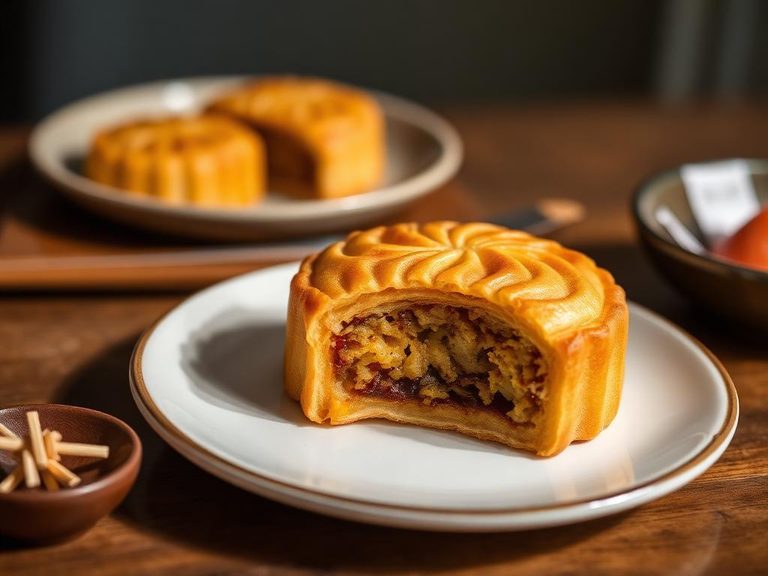
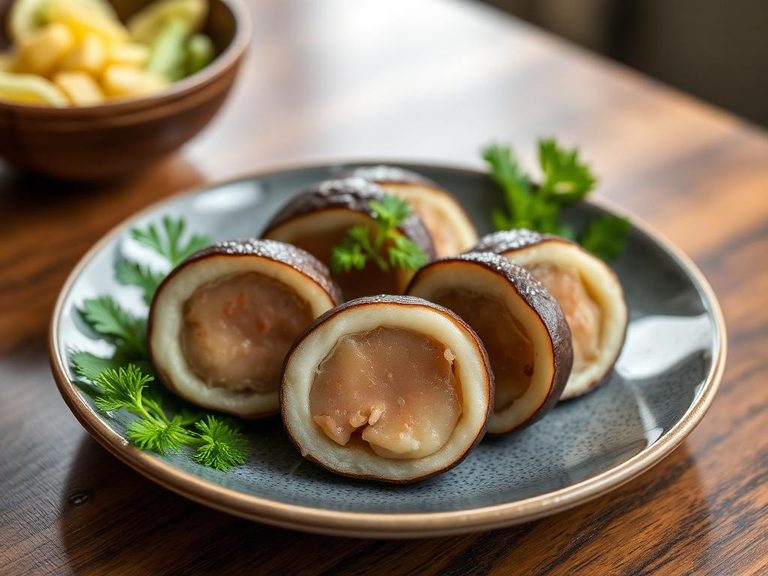
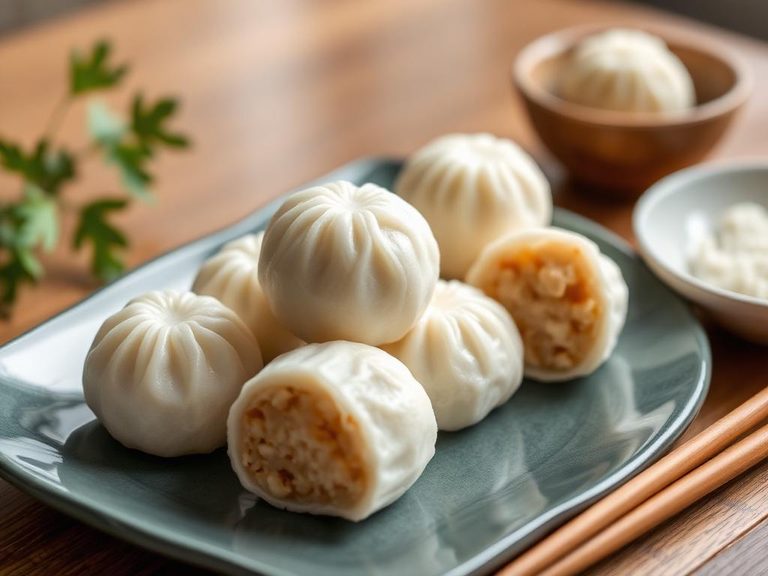
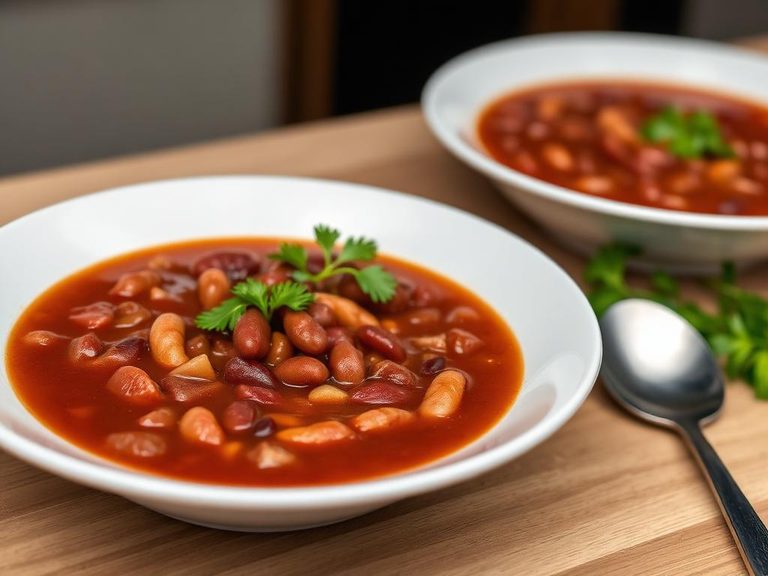
🍽️ Popular dishes

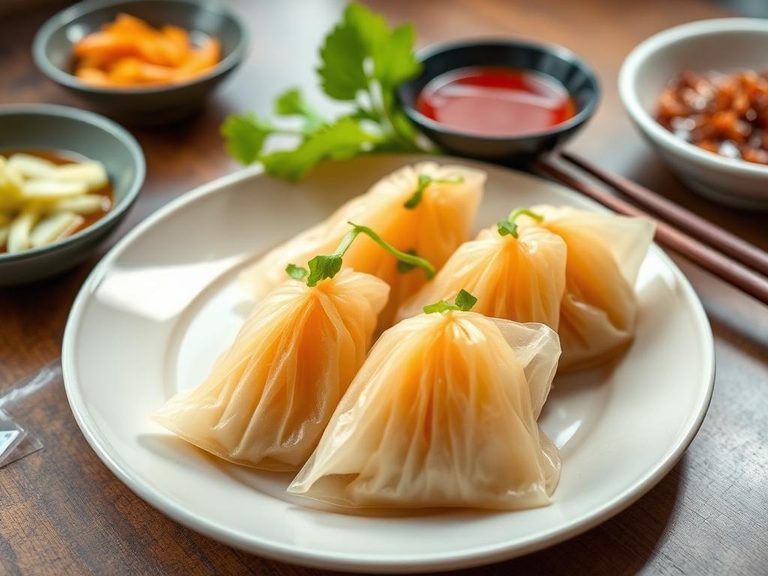
🌍 Where it's eaten
💡 Did you know?
The most prized version, 'Koshian,' is meticulously sieved to remove all bean skins, creating an ultra-smooth, almost silky paste, while 'Tsubuan' intentionally retains some skin for a coarser, more rustic texture.
Full nutrition (USDA data · scales with serving)
| Water | 42.2 g |
| Energy | 226 kcal |
| Protein | 6.2 g |
| Total lipid (fat) | 0.47 g |
| Carbohydrate, by difference | 50.0 g |
| Fiber, total dietary | 5.3 g |
| Total Sugars | 33.9 g |
| Calcium, Ca | 21.0 mg |
| Iron, Fe | 2.1 mg |
| Magnesium, Mg | 32.0 mg |
| Phosphorus, P | 102 mg |
| Potassium, K | 290 mg |
| Sodium, Na | 124 mg |
| Zinc, Zn | 0.77 mg |
| Copper, Cu | 0.18 mg |
| Selenium, Se | 1.1 ug |
| Vitamin C, total ascorbic acid | 0.90 mg |
| Thiamin | 0.12 mg |
| Riboflavin | 0.05 mg |
| Niacin | 0.41 mg |
| Vitamin B-6 | 0.09 mg |
| Folate, total | 93.0 ug |
| Folic acid | 0.00 ug |
| Folate, food | 93.0 ug |
| Folate, DFE | 93.0 ug |
| Choline, total | 21.9 mg |
| Vitamin B-12 | 0.00 ug |
| Vitamin B-12, added | 0.00 ug |
| Vitamin A, RAE | 0.00 ug |
| Retinol | 0.00 ug |
| Carotene, beta | 0.00 ug |
| Carotene, alpha | 0.00 ug |
| Cryptoxanthin, beta | 0.00 ug |
| Lycopene | 0.00 ug |
| Lutein + zeaxanthin | 0.00 ug |
| Vitamin E (alpha-tocopherol) | 0.02 mg |
| Vitamin E, added | 0.00 mg |
| Vitamin D (D2 + D3) | 0.00 ug |
| Vitamin K (phylloquinone) | 6.0 ug |
| Alcohol, ethyl | 0.00 g |
| Caffeine | 0.00 mg |
| Theobromine | 0.00 mg |
Fat & fatty acid profile (per 100g)
| Fatty acids, total saturated | 0.05 g |
| SFA 4:0 | 0.00 g |
| SFA 6:0 | 0.00 g |
| SFA 8:0 | 0.00 g |
| SFA 10:0 | 0.00 g |
| SFA 12:0 | 0.00 g |
| SFA 14:0 | 0.00 g |
| SFA 16:0 | 0.05 g |
| SFA 18:0 | 0.01 g |
| Fatty acids, total monounsaturated | 0.03 g |
| MUFA 16:1 | 0.00 g |
| MUFA 18:1 | 0.03 g |
| MUFA 20:1 | 0.00 g |
| MUFA 22:1 | 0.00 g |
| Fatty acids, total polyunsaturated | 0.20 g |
| PUFA 18:2 | 0.08 g |
| PUFA 18:3 | 0.12 g |
| PUFA 18:4 | 0.00 g |
| PUFA 20:4 | 0.00 g |
| PUFA 20:5 n-3 (EPA) | 0.00 g |
| PUFA 22:5 n-3 (DPA) | 0.00 g |
| PUFA 22:6 n-3 (DHA) | 0.00 g |
| Cholesterol | 0.00 mg |
FAQ
What is the difference between red bean paste and black bean paste?
Red bean paste (Anko) is made from azuki beans and is sweeter and milder, while black bean paste (Kuro-an) is made from black soybeans and has a richer, more robust, and slightly earthy flavor.
Is sweetened bean paste vegan?
Yes, traditional sweetened bean paste is vegan, as it is made from beans, sugar, and sometimes a small amount of oil or salt, with no animal products.
How can I use sweetened bean paste in cooking?
It is incredibly versatile: use it as a filling for pastries like mooncakes or dorayaki, stir it into soups, mix it into oatmeal, or use it as a spread on toast or pancakes.
Nutrient density (calculated · NRF9.3)
Nutrient Rich Foods index: beneficial nutrients (protein, fiber, vitamins, minerals) minus saturated fat, added sugar & sodium, per 100 kcal.
NRF9.3 index — Fulgoni, Keast & Drewnowski, 2009. Computed from USDA nutrients.
Weight-loss friendliness (composite index)
Energy density 2.26 kcal/g · 11% calories from protein · 5.3 g fiber · 33.9 g sugar per 100 g.
Composite of energy density (Rolls et al., 1999), protein & fiber satiety, minus sugar. A calculated heuristic — ranks satiety-per-calorie, not a clinical measure.
Dietary load (calculated from USDA values)
Potential renal acid load. Positive = acid-forming, negative = alkaline-forming.
Sodium-to-potassium ratio: 0.43 (lower is better — aim for ≤ 1)
Sodium:potassium per WHO potassium guidance. Computed from USDA nutrients.