

Anpan
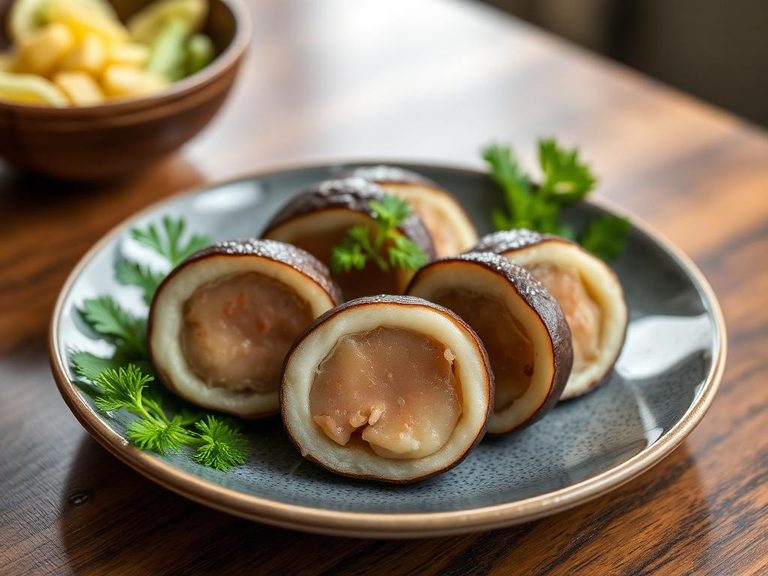
Anpan is a popular Japanese sweet roll filled with a sweet red bean paste, typically made from azuki beans. It is a staple of Japanese bakeries and represents a classic example of 'yōgashi'—Western-influenced Japanese cuisine.
🍳 View the full Anpan recipe →
🍽️ Nutrition at a glance
As a sweet bread, Anpan is high in carbohydrates from both the refined flour dough and the sugary bean filling, with a moderate amount of fat. A single roll generally provides around 200-250 calories, offering some plant-based protein and minerals like iron from the beans.
Nutrition breakdown
| Calories | 280 kcal |
| Protein | 7 g |
| Carbs | 45 g |
| Fat | 8 g |
| Fiber | 2 g |
| Sugar | 18 g |
| Sodium | 200 mg |
| Iron | 2.5 mg |
| Calcium | 40 mg |
| Potassium | 120 mg |
| Phosphorus | 80 mg |
| Thiamin (B1) | 0.2 mg |
| Niacin (B3) | 2 mg |
| Folate | 40 µg |
| Magnesium | 15 mg |
Per 1 piece (100 g) · estimated, varies by recipe
💡 What's interesting
Culturally, Anpan is a symbol of Japan's Meiji-era modernization, blending a Western baking format with a traditional Japanese ingredient. Its invention is credited to a former samurai, and it remains a beloved comfort food often enjoyed with tea.
AI estimate may be inaccurate · Terms