

Bean chips
Common food

Photo: Wikipedia
Bean chips are a crunchy, savory snack made from various beans like black beans, chickpeas, or lentils, offering a satisfying snap with a slightly earthy, nutty flavor. They are typically seasoned and baked or fried, resulting in a texture that's lighter and often more brittle than potato chips. Nutritionally, they stand out for their high protein and fiber content, making them a more filling and nutrient-dense alternative to traditional chips.
Calorie split: 13% protein · 46% carbs · 42% fat
↓ Full nutrition💚 Why it's loved
People love bean chips for their deeply satisfying crunch and bold, savory flavors that range from smoky barbecue to spicy jalapeño. They are a versatile snack that pairs well with dips like hummus or guacamole, and they fit into health-conscious, vegetarian, and high-protein diets without sacrificing the pleasure of a salty treat.
⚠️ Watch-outs & how to enjoy it better
Some commercial varieties can be high in sodium and added oils, potentially counteracting their health benefits. Those watching their blood sugar or sodium intake should check labels carefully. To mitigate, opt for low-sodium versions, practice strict portion control (e.g., a single handful), and pair them with a fresh vegetable or a protein-rich dip to further slow digestion.
Key benefits
- High in plant-based protein for muscle maintenance.
- Rich in dietary fiber to support digestion and satiety.
- Contains complex carbohydrates for sustained energy.
- Often lower in glycemic index than potato-based snacks.
- Good source of minerals like iron and magnesium.
🍽️ Popular dishes
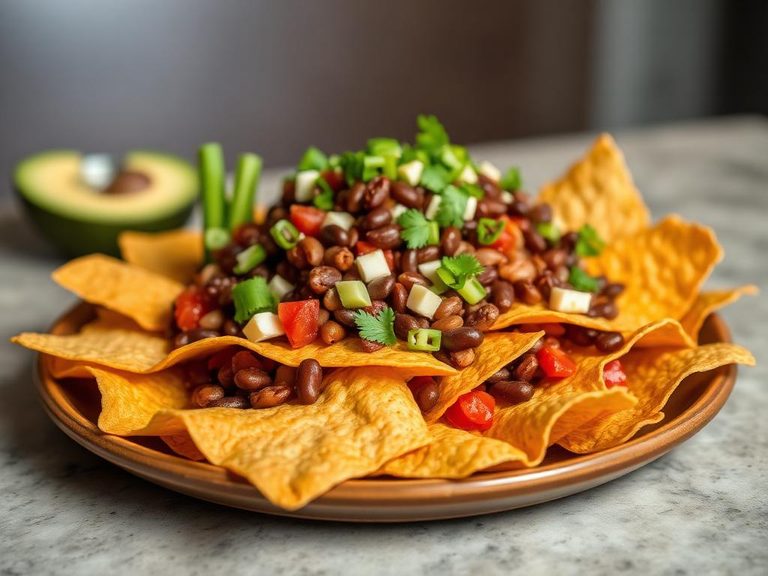
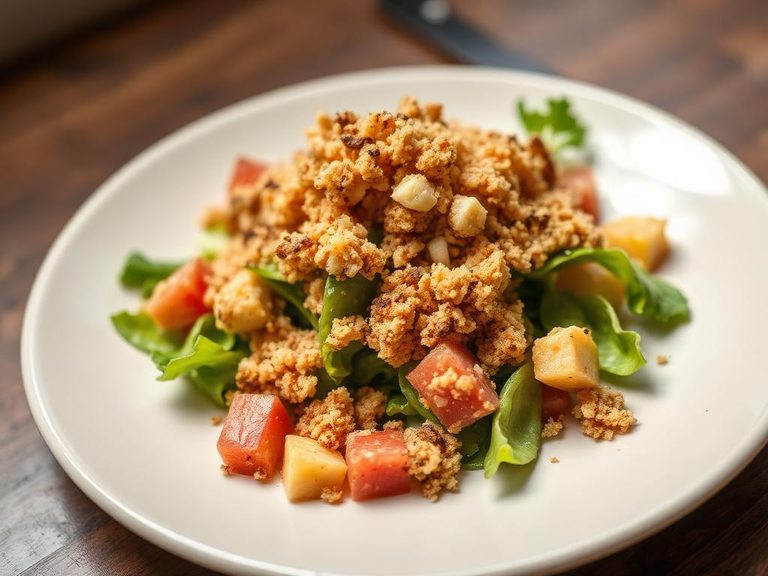
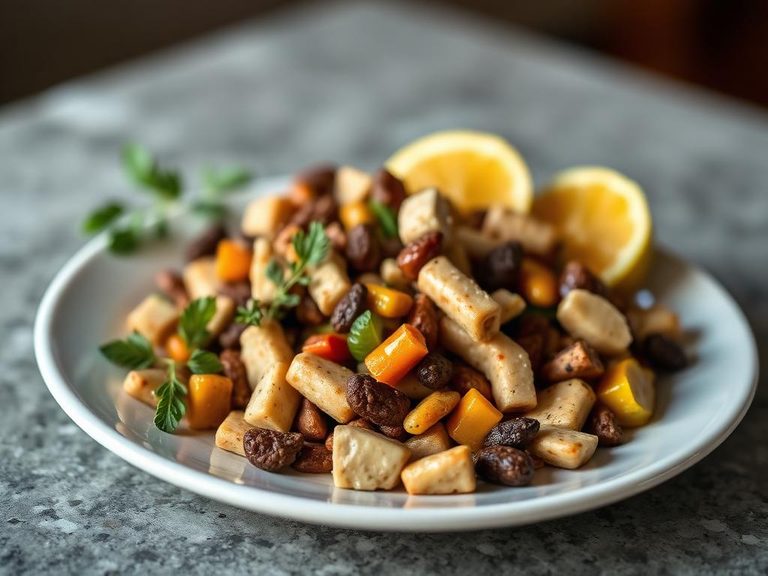
🌍 Where it's eaten
💡 Did you know?
The concept of frying beans into chips has ancient roots in Mesoamerican cuisine, where fried corn and bean-based foods were common, long before the modern snack food industry popularized the potato chip.
Full nutrition (USDA data · scales with serving)
| Water | 7.6 g |
| Energy | 448 kcal |
| Protein | 14.6 g |
| Total lipid (fat) | 21.6 g |
| Carbohydrate, by difference | 53.1 g |
| Fiber, total dietary | 9.7 g |
| Total Sugars | 1.1 g |
| Calcium, Ca | 36.0 mg |
| Iron, Fe | 4.0 mg |
| Magnesium, Mg | 96.0 mg |
| Phosphorus, P | 255 mg |
| Potassium, K | 547 mg |
| Sodium, Na | 410 mg |
| Zinc, Zn | 2.5 mg |
| Copper, Cu | 0.51 mg |
| Selenium, Se | 8.3 ug |
| Vitamin C, total ascorbic acid | 1.7 mg |
| Thiamin | 0.50 mg |
| Riboflavin | 0.15 mg |
| Niacin | 2.7 mg |
| Vitamin B-6 | 0.36 mg |
| Folate, total | 243 ug |
| Folic acid | 0.00 ug |
| Folate, food | 243 ug |
| Folate, DFE | 243 ug |
| Choline, total | 51.9 mg |
| Vitamin B-12 | 0.00 ug |
| Vitamin B-12, added | 0.00 ug |
| Vitamin A, RAE | 1.0 ug |
| Retinol | 0.00 ug |
| Carotene, beta | 9.0 ug |
| Carotene, alpha | 0.00 ug |
| Cryptoxanthin, beta | 0.00 ug |
| Lycopene | 0.00 ug |
| Lutein + zeaxanthin | 21.0 ug |
| Vitamin E (alpha-tocopherol) | 5.0 mg |
| Vitamin E, added | 0.00 mg |
| Vitamin D (D2 + D3) | 0.00 ug |
| Vitamin K (phylloquinone) | 3.1 ug |
| Alcohol, ethyl | 0.00 g |
| Caffeine | 0.00 mg |
| Theobromine | 0.00 mg |
Fat & fatty acid profile (per 100g)
| Fatty acids, total saturated | 3.0 g |
| SFA 4:0 | 0.00 g |
| SFA 6:0 | 0.00 g |
| SFA 8:0 | 0.00 g |
| SFA 10:0 | 0.00 g |
| SFA 12:0 | 0.00 g |
| SFA 14:0 | 0.01 g |
| SFA 16:0 | 2.5 g |
| SFA 18:0 | 0.34 g |
| Fatty acids, total monounsaturated | 5.9 g |
| MUFA 16:1 | 0.02 g |
| MUFA 18:1 | 5.8 g |
| MUFA 20:1 | 0.08 g |
| MUFA 22:1 | 0.00 g |
| Fatty acids, total polyunsaturated | 11.3 g |
| PUFA 18:2 | 11.0 g |
| PUFA 18:3 | 0.32 g |
| PUFA 18:4 | 0.00 g |
| PUFA 20:4 | 0.00 g |
| PUFA 20:5 n-3 (EPA) | 0.00 g |
| PUFA 22:5 n-3 (DPA) | 0.00 g |
| PUFA 22:6 n-3 (DHA) | 0.00 g |
| Cholesterol | 0.00 mg |
FAQ
Are bean chips gluten-free?
Many are, as they are primarily made from beans. However, always check the label for added seasonings or cross-contamination warnings if you have celiac disease or a severe gluten sensitivity.
How do bean chips compare nutritionally to potato chips?
Bean chips generally offer significantly more protein and fiber, which can help you feel full faster. They may have similar or slightly lower calories and fat per serving, but the key difference is in the nutrient density and satiety factor.
Can I make bean chips at home?
Yes! You can slice cooked or canned beans thinly, toss them with a little oil and seasoning, and bake them until crisp. This method gives you full control over sodium, oil, and flavor additives.
Nutrient density (calculated · NRF9.3)
Nutrient Rich Foods index: beneficial nutrients (protein, fiber, vitamins, minerals) minus saturated fat, added sugar & sodium, per 100 kcal.
NRF9.3 index — Fulgoni, Keast & Drewnowski, 2009. Computed from USDA nutrients.
Weight-loss friendliness (composite index)
Energy density 4.48 kcal/g · 13% calories from protein · 9.7 g fiber · 1.1 g sugar per 100 g.
Composite of energy density (Rolls et al., 1999), protein & fiber satiety, minus sugar. A calculated heuristic — ranks satiety-per-calorie, not a clinical measure.
Dietary load (calculated from USDA values)
Potential renal acid load. Positive = acid-forming, negative = alkaline-forming.
Sodium-to-potassium ratio: 0.75 (lower is better — aim for ≤ 1)
Sodium:potassium per WHO potassium guidance. Computed from USDA nutrients.