Potatoes, microwaved, cooked in skin, flesh and skin, without salt
Whole food · Vegetables and Vegetable Products
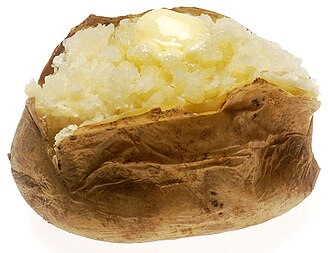
Photo: Wikipedia
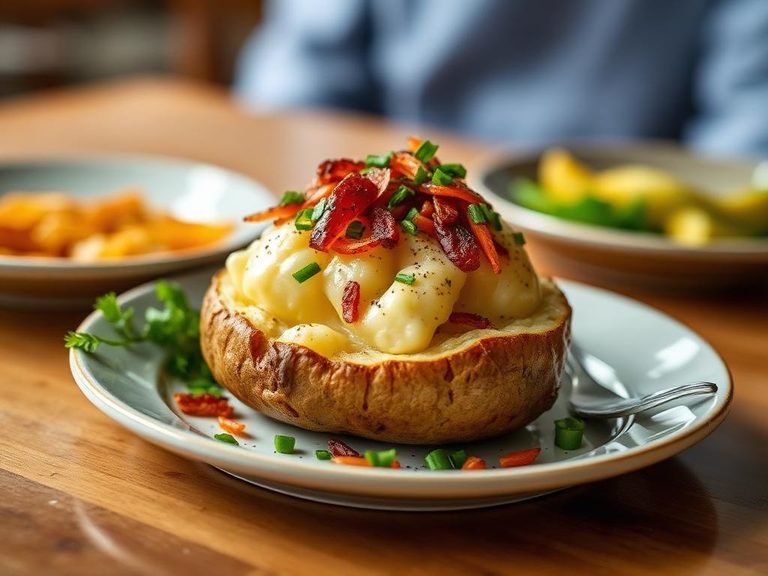
A humble potato, cooked whole in its skin via the microwave, becomes a fluffy, earthy, and subtly sweet staple with a tender, moist interior and a slightly chewy skin. Nutritionally, it's a low-fat, high-carb energy source, providing a solid 2.3g of fiber per 100g while remaining remarkably lean at just 0.1g of fat. Its simplicity makes it a blank canvas for countless flavors, from a sprinkle of salt to a dollop of butter.
💚 Why it's loved
People adore it for its incredible convenience and comforting, mild flavor that pairs with virtually anything. Its soft, fluffy texture and the ability to be customized with toppings like cheese, herbs, or sour cream make it a beloved, versatile comfort food across cultures.
⚠️ Watch-outs & how to enjoy it better
The primary concern is its high glycemic index, which can cause rapid blood sugar spikes, making it less ideal for those managing diabetes without careful portioning. To counteract this, pair it with protein (like Greek yogurt or chicken) or healthy fats (like avocado or olive oil) to slow digestion and stabilize blood sugar response.
Key benefits
- Excellent source of quick, sustained energy from complex carbohydrates
- High in fiber (2.3g per 100g) to support digestive health and satiety
- Very low in fat (0.1g per 100g) and naturally cholesterol-free
- Contains potassium, which is vital for heart and muscle function
- Microwaving in skin helps retain water-soluble vitamins like Vitamin C
🍽️ Popular dishes
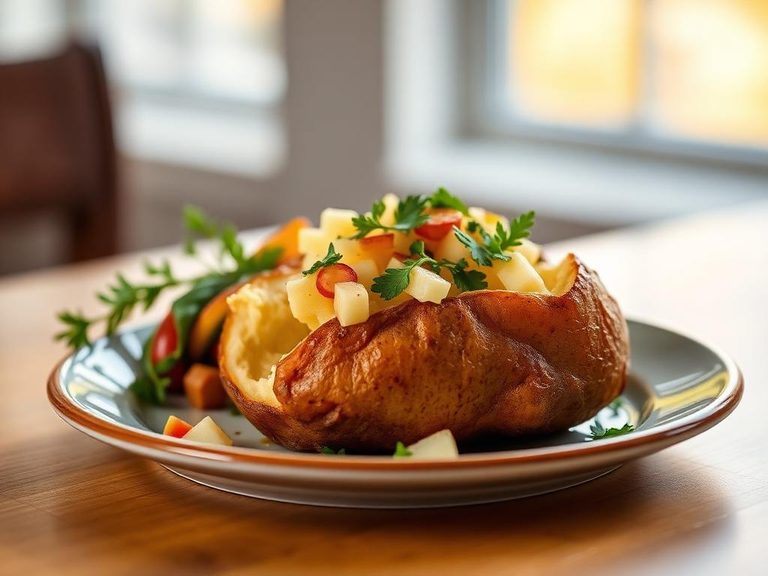

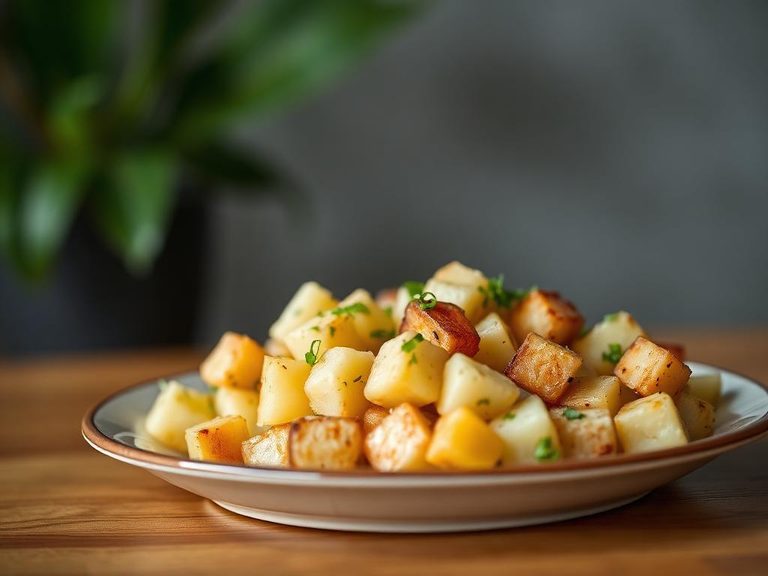
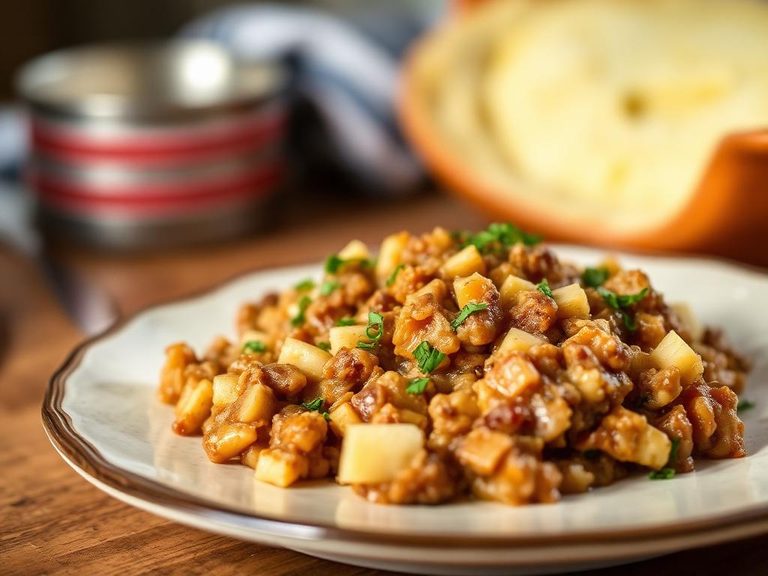
🌍 Where it's eaten
💡 Did you know?
Microwaving a potato in its skin can actually preserve more Vitamin C than boiling it, as the shorter cooking time and minimal water exposure reduce nutrient leaching.
Full nutrition (scales with serving)
| Water | 72.0 g |
| Energy | 105 kcal |
| Energy | 441 kj |
| Protein | 2.4 g |
| Total lipid (fat) | 0.10 g |
| Ash | 1.2 g |
| Carbohydrate, by difference | 24.2 g |
| Fiber, total dietary | 2.3 g |
| Calcium, Ca | 11.0 mg |
| Iron, Fe | 1.2 mg |
| Magnesium, Mg | 27.0 mg |
| Phosphorus, P | 105 mg |
| Potassium, K | 447 mg |
| Sodium, Na | 8.0 mg |
| Zinc, Zn | 0.36 mg |
| Copper, Cu | 0.33 mg |
| Manganese, Mn | 0.29 mg |
| Selenium, Se | 0.40 ug |
| Vitamin C, total ascorbic acid | 15.1 mg |
| Thiamin | 0.12 mg |
| Riboflavin | 0.03 mg |
| Niacin | 1.7 mg |
| Pantothenic acid | 0.45 mg |
| Vitamin B-6 | 0.34 mg |
| Folate, total | 12.0 ug |
| Folic acid | 0.00 ug |
| Folate, food | 12.0 ug |
| Folate, DFE | 12.0 ug |
| Vitamin B-12 | 0.00 ug |
| Vitamin A, RAE | 0.00 ug |
| Retinol | 0.00 ug |
| Vitamin A, IU | 0.00 iu |
| Vitamin D (D2 + D3), International Units | 0.00 iu |
| Vitamin D (D2 + D3) | 0.00 ug |
Fat & fatty acid profile (per 100g)
| Fatty acids, total saturated | 0.03 g |
| SFA 10:0 | 0.00 g |
| SFA 12:0 | 0.00 g |
| SFA 14:0 | 0.00 g |
| SFA 16:0 | 0.02 g |
| SFA 18:0 | 0.00 g |
| Fatty acids, total monounsaturated | 0.00 g |
| MUFA 16:1 | 0.00 g |
| MUFA 18:1 | 0.00 g |
| Fatty acids, total polyunsaturated | 0.04 g |
| PUFA 18:2 | 0.03 g |
| PUFA 18:3 | 0.01 g |
| Fatty acids, total trans | 0.00 g |
| Cholesterol | 0.00 mg |
Amino acid profile (per 100g)
| Tryptophan | 0.04 g |
| Threonine | 0.09 g |
| Isoleucine | 0.10 g |
| Leucine | 0.15 g |
| Lysine | 0.15 g |
| Methionine | 0.04 g |
| Cystine | 0.03 g |
| Phenylalanine | 0.11 g |
| Tyrosine | 0.09 g |
| Valine | 0.14 g |
| Arginine | 0.11 g |
| Histidine | 0.05 g |
| Alanine | 0.07 g |
| Aspartic acid | 0.60 g |
| Glutamic acid | 0.41 g |
| Glycine | 0.07 g |
| Proline | 0.09 g |
| Serine | 0.11 g |
FAQ
Is a microwaved potato as healthy as a baked one?
Yes, nutritionally they are very similar. Microwaving is a faster method that can actually preserve more heat-sensitive nutrients like Vitamin C due to the shorter cooking time and less water used.
Why does the skin sometimes get tough in the microwave?
The skin can dry out if not pricked with a fork to allow steam to escape, or if cooked for too long. Pricking it several times and covering with a damp paper towel helps keep it tender.
Can I eat the skin?
Absolutely! The skin is a great source of fiber and nutrients. Just be sure to wash the potato thoroughly before cooking to remove any dirt or residues.