Corn, sweet, white, canned, whole kernel, regular pack, solids and liquids
Whole food · Vegetables and Vegetable Products

Photo: Wikipedia
This is sweet white corn, harvested at its peak and canned in its own starchy liquid to preserve a bright, snappy texture and a clean, milky sweetness. Each kernel pops with a satisfying crunch and a subtle, buttery flavor, making it a reliable pantry staple. Nutritionally, it's a low-fat, calorie-light source of complex carbohydrates and fiber, offering quick energy without heaviness.
💚 Why it's loved
People love it for its dependable, sunny sweetness and crisp texture that elevates salads, salsas, and casseroles with minimal effort. It's a nostalgic comfort food that bridges quick weeknight meals and festive holiday dishes across many cultures.
⚠️ Watch-outs & how to enjoy it better
The canning process often adds sodium, which can be a concern for those monitoring blood pressure. The starchy liquid can also cause rapid blood-sugar spikes if consumed in large portions without balancing nutrients. To counteract this, rinse the kernels well to reduce sodium, and pair them with a source of protein (like black beans) or healthy fat (like avocado) to slow sugar absorption.
Key benefits
- Low in fat and calories, supporting weight management.
- Good source of dietary fiber for digestive health.
- Provides complex carbohydrates for sustained energy.
- Contains antioxidants like lutein and zeaxanthin for eye health.
- Convenient, shelf-stable, and ready to use in minutes.
🍽️ Popular dishes
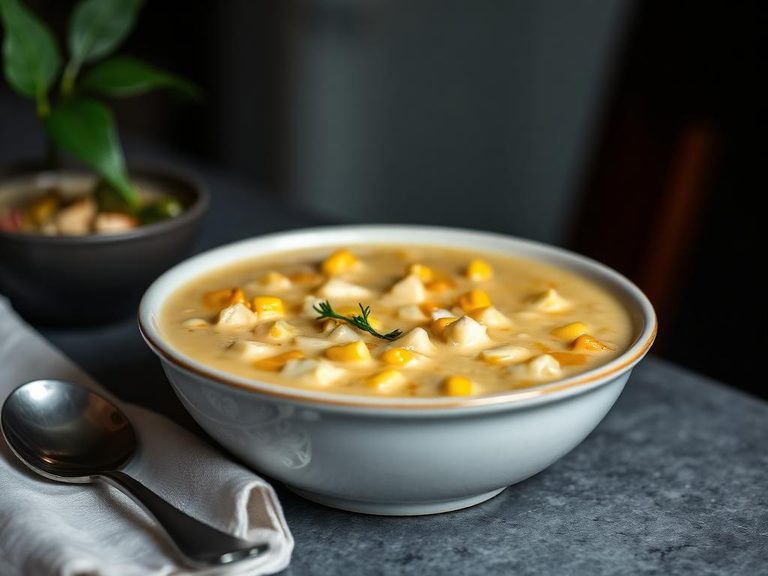
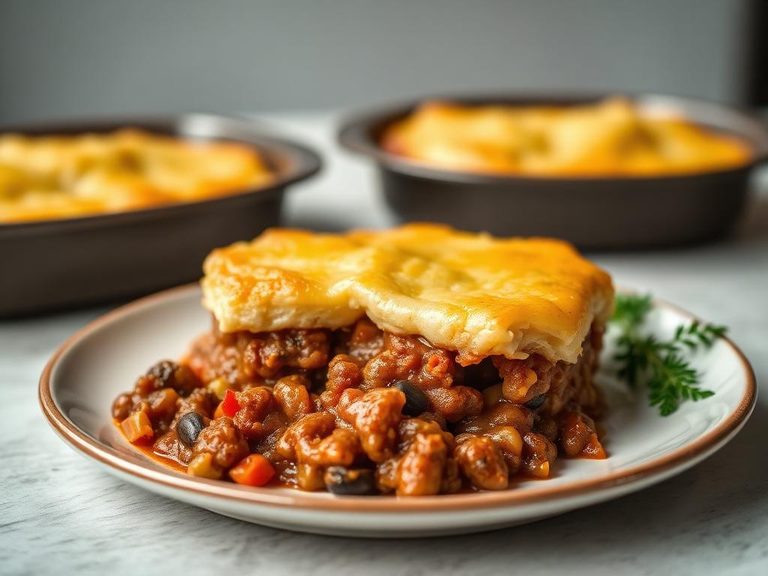
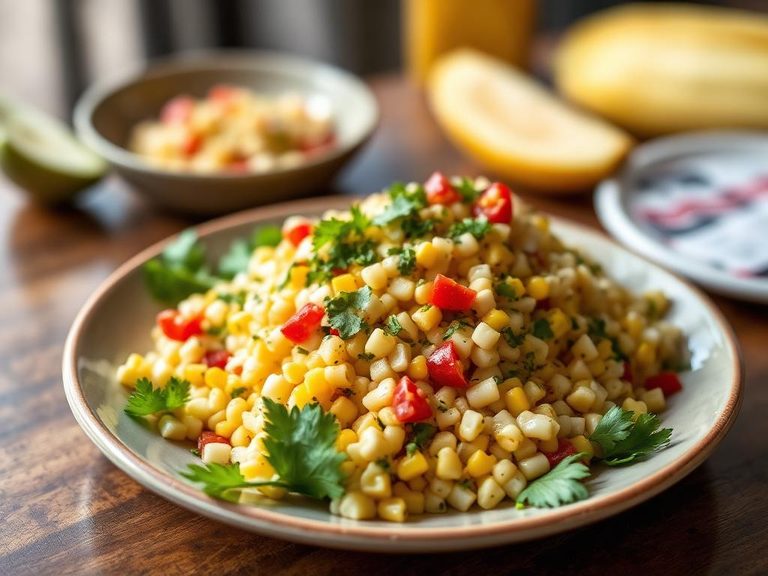
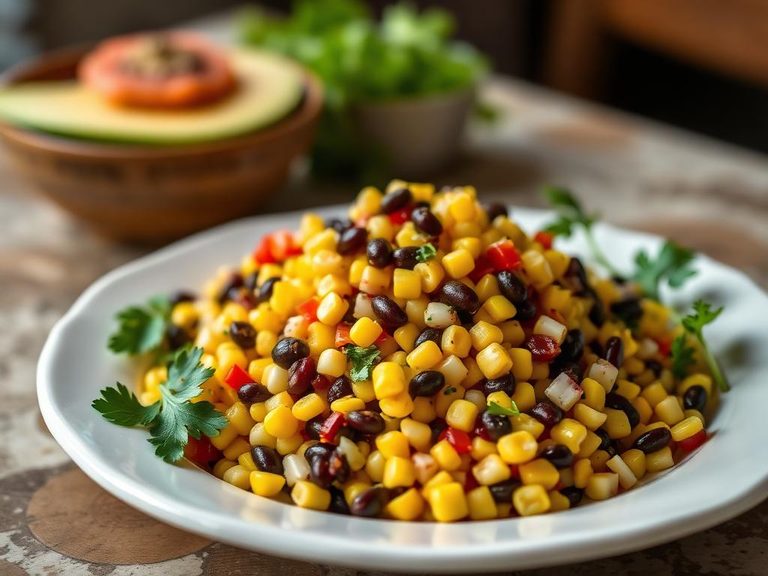
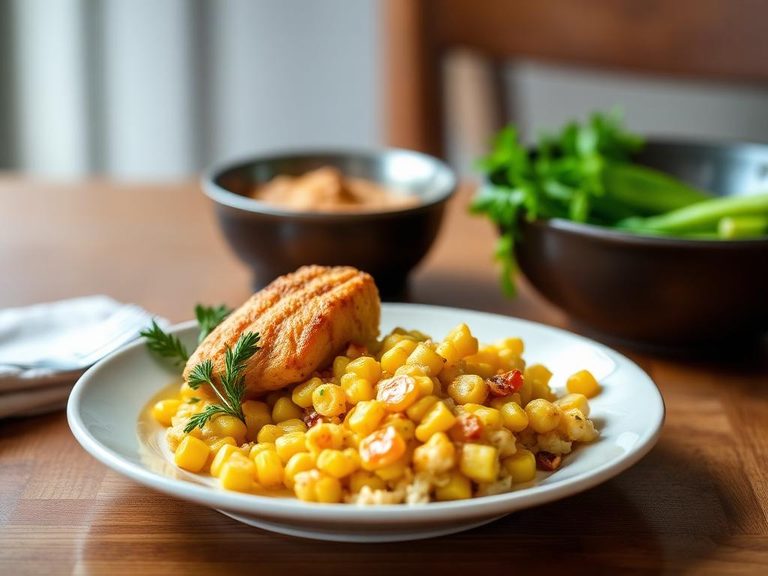
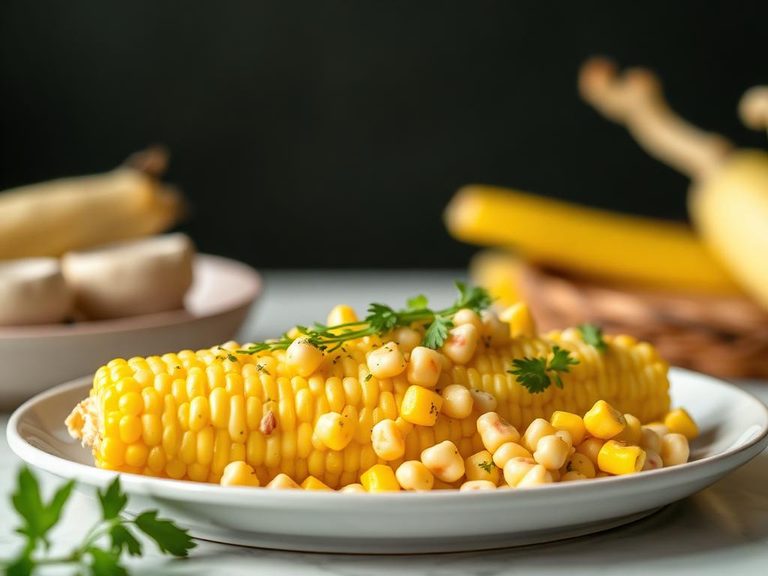
🌍 Where it's eaten
💡 Did you know?
The average ear of corn has an even number of rows—typically 16—and each silk thread is attached to a single kernel, meaning a missed silk results in a missing kernel on the cob.
Full nutrition (scales with serving)
| Water | 81.3 g |
| Energy | 64.0 kcal |
| Energy | 268 kj |
| Protein | 1.9 g |
| Total lipid (fat) | 0.50 g |
| Ash | 0.80 g |
| Carbohydrate, by difference | 15.4 g |
| Fiber, total dietary | 1.7 g |
| Calcium, Ca | 4.0 mg |
| Iron, Fe | 0.41 mg |
| Magnesium, Mg | 16.0 mg |
| Phosphorus, P | 51.0 mg |
| Potassium, K | 164 mg |
| Sodium, Na | 213 mg |
| Zinc, Zn | 0.36 mg |
| Copper, Cu | 0.06 mg |
| Manganese, Mn | 0.03 mg |
| Selenium, Se | 0.60 ug |
| Fluoride, F | 18.0 ug |
| Vitamin C, total ascorbic acid | 5.5 mg |
| Thiamin | 0.03 mg |
| Riboflavin | 0.06 mg |
| Niacin | 0.94 mg |
| Pantothenic acid | 0.52 mg |
| Vitamin B-6 | 0.04 mg |
| Folate, total | 38.0 ug |
| Folic acid | 0.00 ug |
| Folate, food | 38.0 ug |
| Folate, DFE | 38.0 ug |
| Vitamin B-12 | 0.00 ug |
| Vitamin A, RAE | 0.00 ug |
| Retinol | 0.00 ug |
| Vitamin A, IU | 0.00 iu |
| Lycopene | 0.00 ug |
| Vitamin D (D2 + D3), International Units | 0.00 iu |
| Vitamin D (D2 + D3) | 0.00 ug |
Fat & fatty acid profile (per 100g)
| Fatty acids, total saturated | 0.08 g |
| SFA 16:0 | 0.07 g |
| SFA 18:0 | 0.00 g |
| Fatty acids, total monounsaturated | 0.14 g |
| MUFA 18:1 | 0.14 g |
| Fatty acids, total polyunsaturated | 0.23 g |
| PUFA 18:2 | 0.23 g |
| PUFA 18:3 | 0.01 g |
| Fatty acids, total trans | 0.00 g |
| Cholesterol | 0.00 mg |
Amino acid profile (per 100g)
| Tryptophan | 0.01 g |
| Threonine | 0.08 g |
| Isoleucine | 0.08 g |
| Leucine | 0.21 g |
| Lysine | 0.08 g |
| Methionine | 0.04 g |
| Cystine | 0.02 g |
| Phenylalanine | 0.09 g |
| Tyrosine | 0.07 g |
| Valine | 0.11 g |
| Arginine | 0.08 g |
| Histidine | 0.05 g |
| Alanine | 0.18 g |
| Aspartic acid | 0.15 g |
| Glutamic acid | 0.39 g |
| Glycine | 0.08 g |
| Proline | 0.18 g |
| Serine | 0.09 g |
FAQ
Is canned corn as nutritious as fresh?
Yes, it's very comparable. The canning process preserves most vitamins and minerals, though some heat-sensitive nutrients like vitamin C may be slightly reduced. The fiber and mineral content remain largely intact.
Should I drain and rinse the liquid?
It depends on your needs. Rinsing under cool water can remove up to 40% of the added sodium. If you want to use the starchy liquid (like in a chowder or sauce), keep it—it adds thickness and corn flavor.
Can I freeze leftovers?
Absolutely. Spread the drained kernels on a baking sheet to freeze individually, then transfer to a freezer bag. They'll keep for up to 10 months and are perfect for tossing into soups or stir-fries.