

Taro leaves, cooked, steamed, without salt
Whole food · Vegetables and Vegetable Products

Photo: Wikipedia
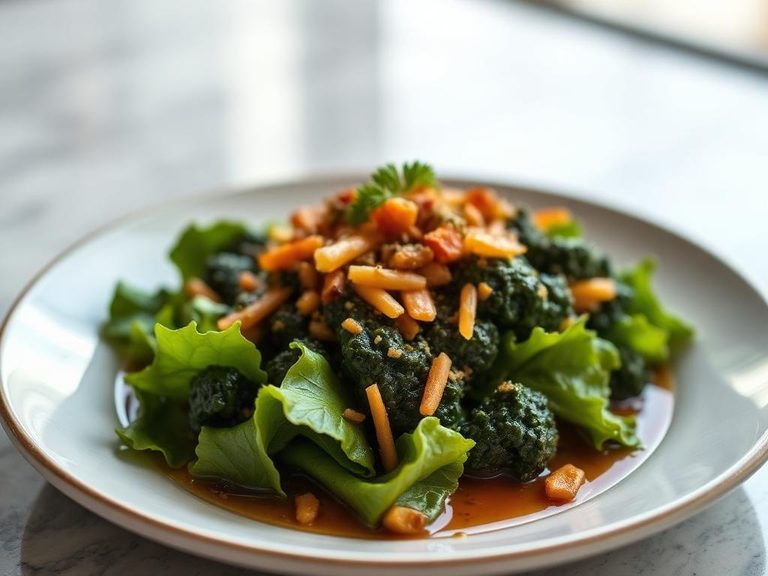
Steamed taro leaves are a tender, silky green with a mild, earthy flavor reminiscent of spinach but with a subtle, nutty depth. Their delicate texture absorbs sauces beautifully, making them a nutritious, low-calorie base for rich, savory dishes. Packed with fiber and protein, they offer a satisfying, nutrient-dense addition to meals.
Calorie split: 35% protein · 52% carbs · 12% fat
↓ Full nutrition💚 Why it's loved
People love taro leaves for their unique, versatile texture that becomes meltingly tender when cooked, acting as a perfect canvas for bold flavors like coconut milk, garlic, and chili. They are a cherished ingredient in many tropical cuisines, symbolizing resourcefulness and the ability to turn a humble plant into a delicious, nourishing staple.
⚠️ Watch-outs & how to enjoy it better
Raw taro leaves contain calcium oxalate crystals, which can cause mouth irritation and digestive discomfort if not properly cooked. They must be thoroughly steamed, boiled, or stewed for a sufficient time (often 15-20 minutes) to neutralize these compounds. Individuals with a history of kidney stones should consume them in moderation.
Key benefits
- Excellent source of dietary fiber (2g per 100g)
- Good plant-based protein content (2.72g per 100g)
- Very low in fat and naturally sugar-free
- Rich in micronutrients like iron, calcium, and vitamins A & C
- Low-calorie volume food for healthy meal building
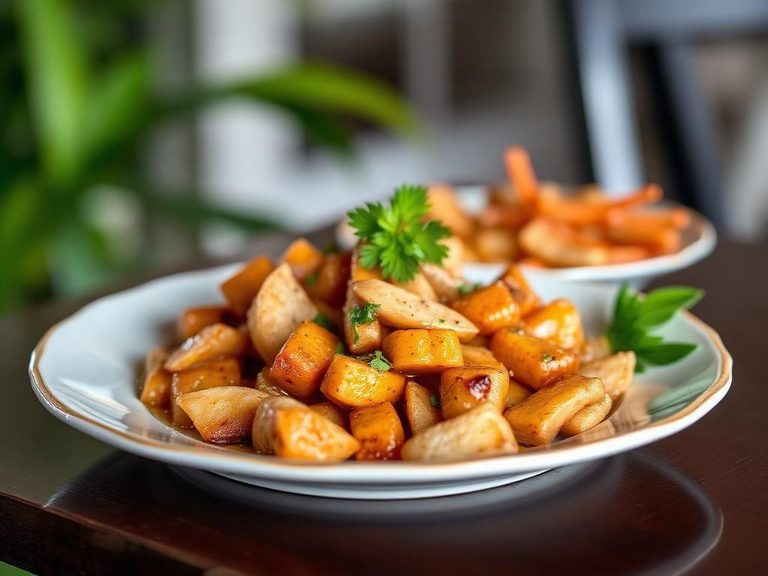
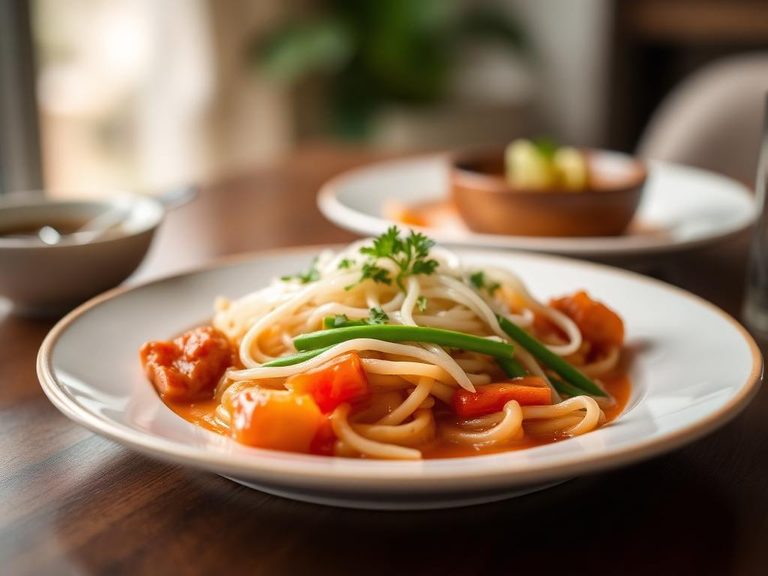
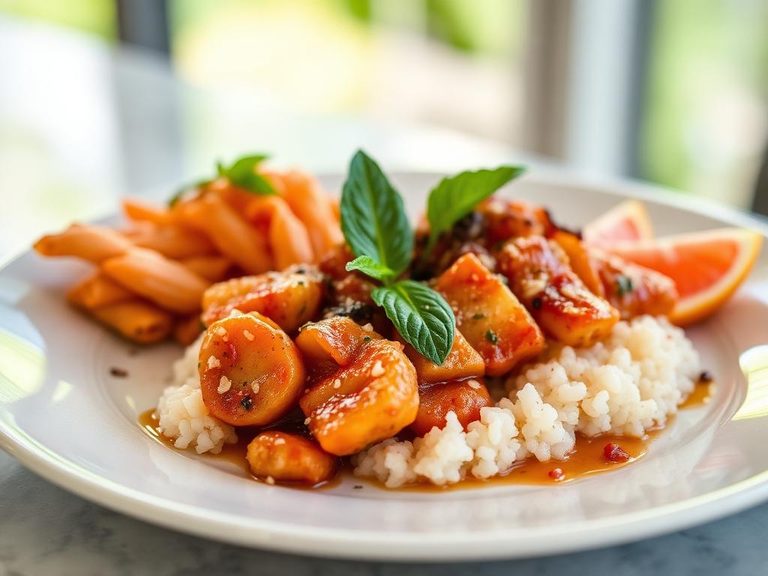
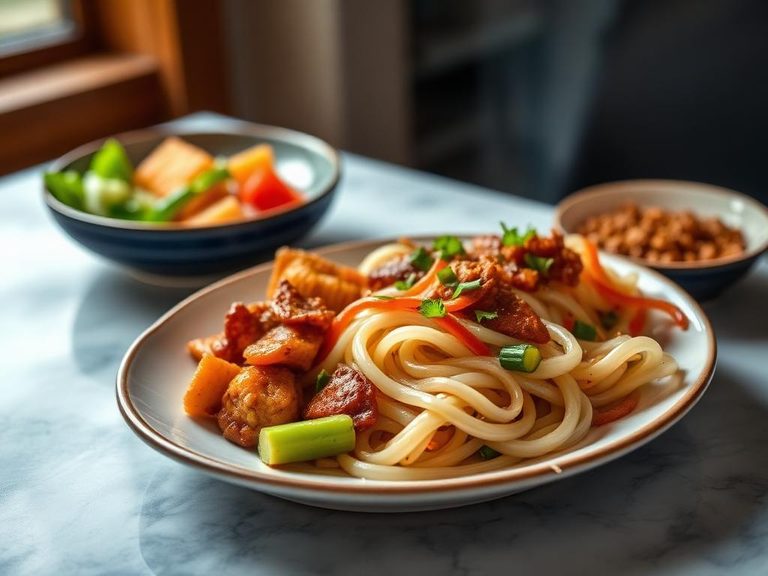
🍽️ Popular dishes
🌍 Where it's eaten
💡 Did you know?
The taro plant is one of the earliest cultivated crops, with evidence of its domestication in the tropical lowlands of Southeast Asia and New Guinea dating back over 10,000 years.
Full nutrition (USDA data · scales with serving)
| Water | 92.2 g |
| Energy | 24.0 kcal |
| Energy | 100 kj |
| Protein | 2.7 g |
| Total lipid (fat) | 0.41 g |
| Ash | 0.70 g |
| Carbohydrate, by difference | 4.0 g |
| Fiber, total dietary | 2.0 g |
| Calcium, Ca | 86.0 mg |
| Iron, Fe | 1.2 mg |
| Magnesium, Mg | 20.0 mg |
| Phosphorus, P | 27.0 mg |
| Potassium, K | 460 mg |
| Sodium, Na | 2.0 mg |
| Zinc, Zn | 0.21 mg |
| Copper, Cu | 0.14 mg |
| Manganese, Mn | 0.37 mg |
| Selenium, Se | 0.90 ug |
| Vitamin C, total ascorbic acid | 35.5 mg |
| Thiamin | 0.14 mg |
| Riboflavin | 0.38 mg |
| Niacin | 1.3 mg |
| Pantothenic acid | 0.04 mg |
| Vitamin B-6 | 0.07 mg |
| Folate, total | 48.0 ug |
| Folic acid | 0.00 ug |
| Folate, food | 48.0 ug |
| Folate, DFE | 48.0 ug |
| Choline, total | 21.0 mg |
| Vitamin B-12 | 0.00 ug |
| Vitamin A, RAE | 212 ug |
| Retinol | 0.00 ug |
| Vitamin A, IU | 4238 iu |
| Vitamin D (D2 + D3), International Units | 0.00 iu |
| Vitamin D (D2 + D3) | 0.00 ug |
Fat & fatty acid profile (per 100g)
| Fatty acids, total saturated | 0.08 g |
| SFA 16:0 | 0.07 g |
| SFA 18:0 | 0.01 g |
| Fatty acids, total monounsaturated | 0.03 g |
| MUFA 18:1 | 0.03 g |
| Fatty acids, total polyunsaturated | 0.17 g |
| PUFA 18:2 | 0.12 g |
| PUFA 18:3 | 0.05 g |
| Fatty acids, total trans | 0.00 g |
| Cholesterol | 0.00 mg |
Amino acid profile (per 100g)
| Tryptophan | 0.03 g |
| Threonine | 0.09 g |
| Isoleucine | 0.14 g |
| Leucine | 0.21 g |
| Lysine | 0.13 g |
| Methionine | 0.04 g |
| Cystine | 0.04 g |
| Phenylalanine | 0.11 g |
| Tyrosine | 0.10 g |
| Valine | 0.14 g |
| Arginine | 0.12 g |
| Histidine | 0.06 g |
FAQ
Are taro leaves the same as dasheen leaves?
Yes, 'dasheen' is another name for the taro plant (Colocasia esculenta), so dasheen leaves and taro leaves are the same thing.
How do I prepare taro leaves to remove the itch?
The key is thorough cooking. Always use mature leaves, discard the stems, and boil or steam the leaves for at least 15-20 minutes before adding other ingredients. Acidic ingredients like tamarind or vinegar can also help.
Can I eat taro leaves raw?
No. Raw taro leaves should not be eaten due to the presence of irritating calcium oxalate raphides. They must always be fully cooked.
Nutrient density (calculated · NRF9.3)
Nutrient Rich Foods index: beneficial nutrients (protein, fiber, vitamins, minerals) minus saturated fat, added sugar & sodium, per 100 kcal.
NRF9.3 index — Fulgoni, Keast & Drewnowski, 2009. Computed from USDA nutrients.
Weight-loss friendliness (composite index)
Energy density 0.24 kcal/g · 45% calories from protein · 2.0 g fiber · 0.0 g sugar per 100 g.
Composite of energy density (Rolls et al., 1999), protein & fiber satiety, minus sugar. A calculated heuristic — ranks satiety-per-calorie, not a clinical measure.
Dietary load (calculated from USDA values)
Potential renal acid load. Positive = acid-forming, negative = alkaline-forming.
Sodium-to-potassium ratio: 0.00 (lower is better — aim for ≤ 1)
Sodium:potassium per WHO potassium guidance. Computed from USDA nutrients.