

Sugar-apples, (sweetsop), raw
Whole food · Fruits and Fruit Juices
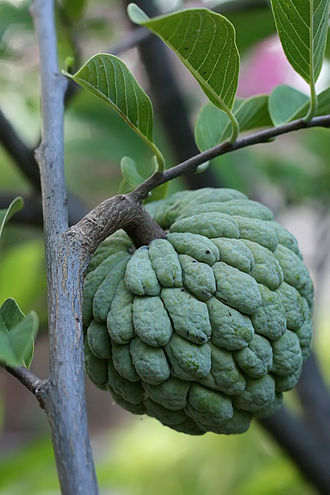
Photo: Wikipedia
The sugar-apple, or sweetsop, is a heart-shaped, knobbly green fruit whose scaly exterior gives way to a sweet, custard-like white flesh dotted with glossy black seeds. Its flavor is a fragrant blend of pineapple, vanilla, and pear, with a soft, melting texture. Nutritionally, it's a standout for its high fiber content and notable vitamin C, providing over a third of your daily needs in just one fruit.
Calorie split: 8% protein · 90% carbs · 2% fat
↓ Full nutrition💚 Why it's loved
People adore the sugar-apple for its uniquely sweet, aromatic flavor that tastes like a natural dessert. It's cherished in many cultures as a seasonal delicacy, often eaten fresh or blended into refreshing drinks.
⚠️ Watch-outs & how to enjoy it better
The fruit is very high in natural sugars (23.64g per 100g), which can cause rapid blood-sugar spikes, making portion control key for diabetics. The inedible seeds contain mild toxins if crushed and ingested. Tip: Pair a small serving with a handful of nuts or seeds to add protein and fat, which can help slow sugar absorption.
Key benefits
- Excellent source of dietary fiber for digestive health.
- High in vitamin C, an antioxidant supporting immune function.
- Contains potassium, which helps regulate blood pressure.
- Provides B vitamins like B6 for energy metabolism.
- Low in fat and a good source of plant-based nutrients.
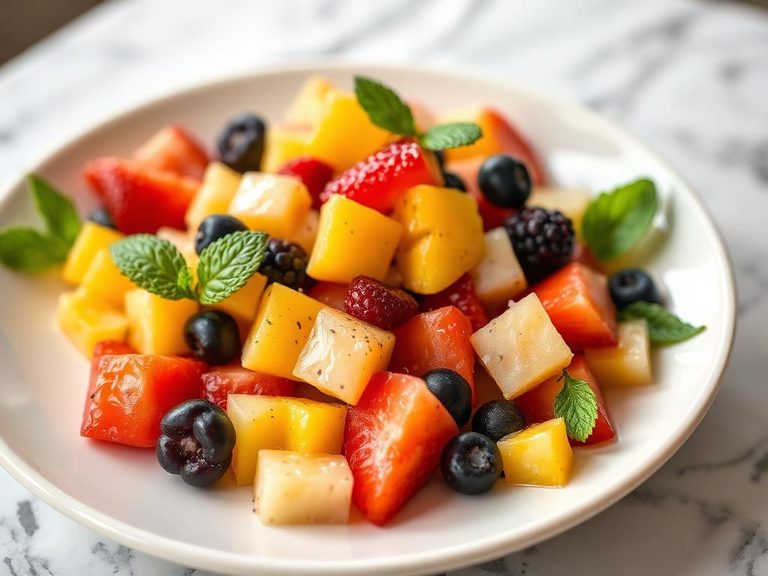
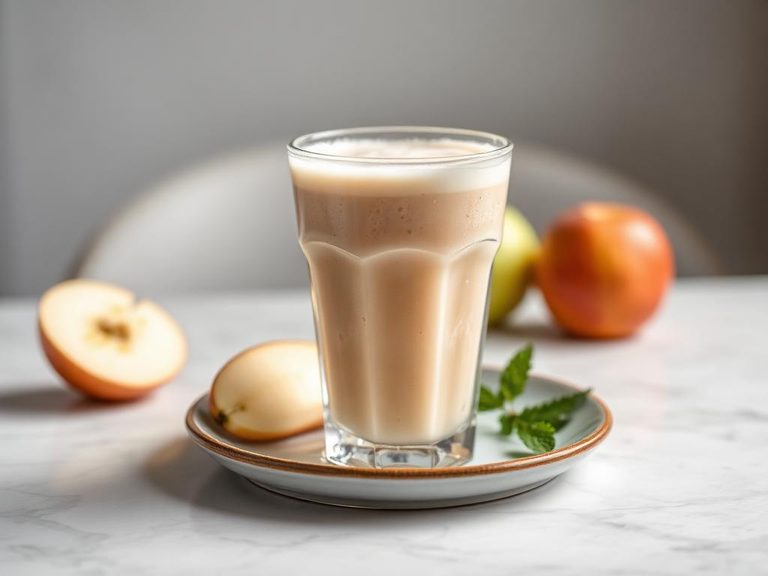
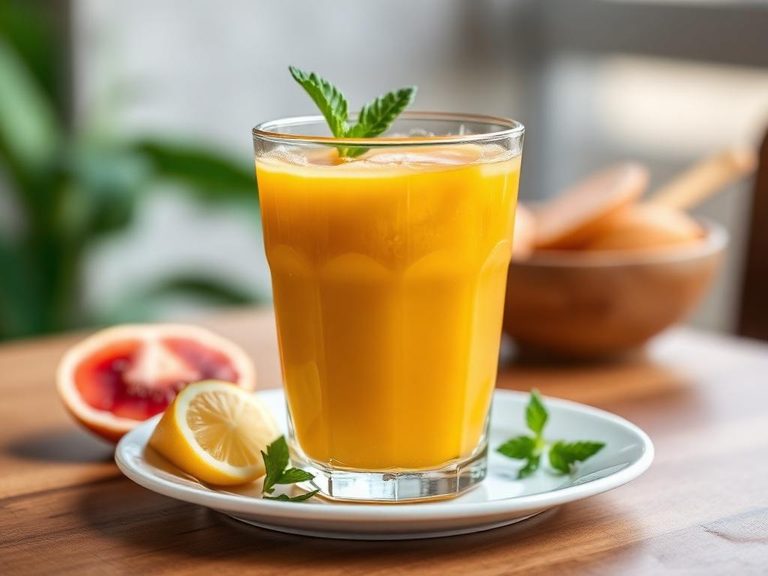
🍽️ Popular dishes


🌍 Where it's eaten
💡 Did you know?
The sugar-apple is a close relative of the more spiky and pungent custard apple and cherimoya, all belonging to the Annona genus, and its seeds were historically used as a natural fish poison in some cultures.
Full nutrition (USDA data · scales with serving)
| Water | 73.2 g |
| Energy | 94.0 kcal |
| Energy | 393 kj |
| Protein | 2.1 g |
| Total lipid (fat) | 0.29 g |
| Ash | 0.78 g |
| Carbohydrate, by difference | 23.6 g |
| Fiber, total dietary | 4.4 g |
| Calcium, Ca | 24.0 mg |
| Iron, Fe | 0.60 mg |
| Magnesium, Mg | 21.0 mg |
| Phosphorus, P | 32.0 mg |
| Potassium, K | 247 mg |
| Sodium, Na | 9.0 mg |
| Zinc, Zn | 0.10 mg |
| Copper, Cu | 0.09 mg |
| Selenium, Se | 0.60 ug |
| Vitamin C, total ascorbic acid | 36.3 mg |
| Thiamin | 0.11 mg |
| Riboflavin | 0.11 mg |
| Niacin | 0.88 mg |
| Pantothenic acid | 0.23 mg |
| Vitamin B-6 | 0.20 mg |
| Folate, total | 14.0 ug |
| Folic acid | 0.00 ug |
| Folate, food | 14.0 ug |
| Folate, DFE | 14.0 ug |
| Vitamin B-12 | 0.00 ug |
| Vitamin A, RAE | 0.00 ug |
| Retinol | 0.00 ug |
| Vitamin A, IU | 6.0 iu |
| Alcohol, ethyl | 0.00 g |
Fat & fatty acid profile (per 100g)
| Fatty acids, total saturated | 0.05 g |
| SFA 4:0 | 0.00 g |
| SFA 6:0 | 0.00 g |
| SFA 8:0 | 0.00 g |
| SFA 10:0 | 0.00 g |
| SFA 12:0 | 0.00 g |
| SFA 14:0 | 0.00 g |
| SFA 16:0 | 0.03 g |
| SFA 18:0 | 0.02 g |
| Fatty acids, total monounsaturated | 0.11 g |
| MUFA 16:1 | 0.00 g |
| MUFA 18:1 | 0.11 g |
| MUFA 20:1 | 0.00 g |
| MUFA 22:1 | 0.00 g |
| Fatty acids, total polyunsaturated | 0.04 g |
| PUFA 18:2 | 0.04 g |
| PUFA 18:3 | 0.00 g |
| PUFA 18:4 | 0.00 g |
| PUFA 20:4 | 0.00 g |
| PUFA 20:5 n-3 (EPA) | 0.00 g |
| PUFA 22:5 n-3 (DPA) | 0.00 g |
| PUFA 22:6 n-3 (DHA) | 0.00 g |
| Fatty acids, total trans | 0.00 g |
| Cholesterol | 0.00 mg |
Amino acid profile (per 100g)
| Tryptophan | 0.01 g |
| Lysine | 0.06 g |
| Methionine | 0.01 g |
FAQ
How do you eat a sugar-apple?
Cut it in half and scoop out the creamy flesh with a spoon, being careful to avoid the hard, black seeds. It's best eaten fresh and chilled.
Is the sugar-apple the same as a custard apple?
They are closely related but different. Sugar-apples (Annona squamosa) have a bumpy, segmented skin, while custard apples (Annona reticulata) typically have a smoother, net-like skin. Both have similar sweet, creamy flesh.
How do I pick a ripe sugar-apple?
Look for fruit that gives slightly to gentle pressure and has a fragrant aroma. The segments should be slightly separated. Avoid those with bruises or a dull, dark color.
Nutrient density (calculated · NRF9.3)
Nutrient Rich Foods index: beneficial nutrients (protein, fiber, vitamins, minerals) minus saturated fat, added sugar & sodium, per 100 kcal.
NRF9.3 index — Fulgoni, Keast & Drewnowski, 2009. Computed from USDA nutrients.
Weight-loss friendliness (composite index)
Energy density 0.94 kcal/g · 9% calories from protein · 4.4 g fiber · 0.0 g sugar per 100 g.
Composite of energy density (Rolls et al., 1999), protein & fiber satiety, minus sugar. A calculated heuristic — ranks satiety-per-calorie, not a clinical measure.
Dietary load (calculated from USDA values)
Potential renal acid load. Positive = acid-forming, negative = alkaline-forming.
Sodium-to-potassium ratio: 0.04 (lower is better — aim for ≤ 1)
Sodium:potassium per WHO potassium guidance. Computed from USDA nutrients.