

Snacks, rice cakes, brown rice, sesame seed, unsalted
Whole food · Snacks

Photo: Wikipedia
A light, airy, and satisfyingly crunchy snack made from puffed whole-grain brown rice, often studded with nutty sesame seeds. Its texture is a delicate, shattering crispness that dissolves quickly on the tongue, offering a pure, toasty grain flavor. Nutritionally, it's a high-carbohydrate, low-fat energy source, providing quick fuel with minimal protein or fat.
Calorie split: 8% protein · 83% carbs · 9% fat
↓ Full nutrition💚 Why it's loved
People love it for its satisfying, audible crunch and clean, wholesome taste that serves as a perfect neutral canvas. It's a versatile, portable snack that can be eaten plain or topped, fitting seamlessly into busy lifestyles and light eating occasions.
⚠️ Watch-outs & how to enjoy it better
Its high glycemic index can lead to rapid blood-sugar spikes, making it less ideal for sustained energy or those managing blood glucose. The lack of fiber, protein, and fat means it's not very satiating on its own. To counteract this, always pair it with a protein or fat source like nut butter, hummus, or cheese, and practice portion control.
Key benefits
- Provides quick, easily digestible energy from complex carbohydrates
- Low in fat and contains no added sugar
- Light and airy, making it a volume-rich snack for few calories
- Often gluten-free and suitable for vegan diets
- Sesame seeds add a touch of healthy fats, minerals, and texture
🍽️ Popular dishes
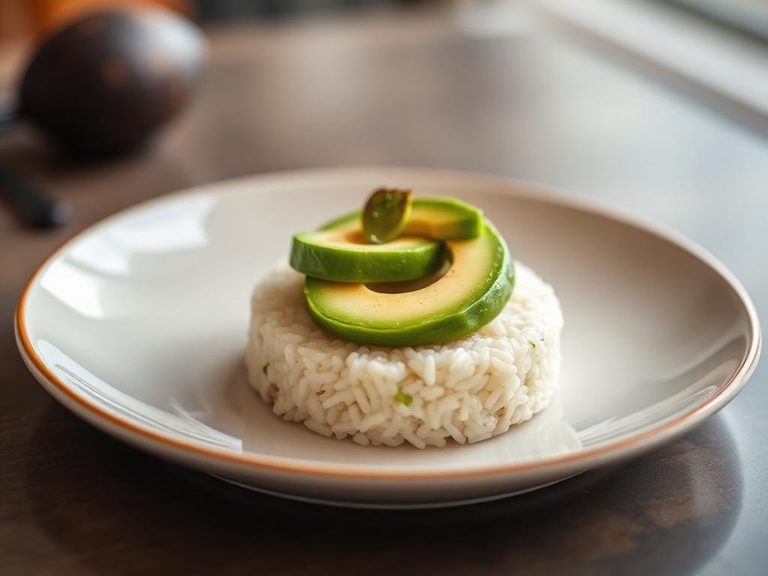

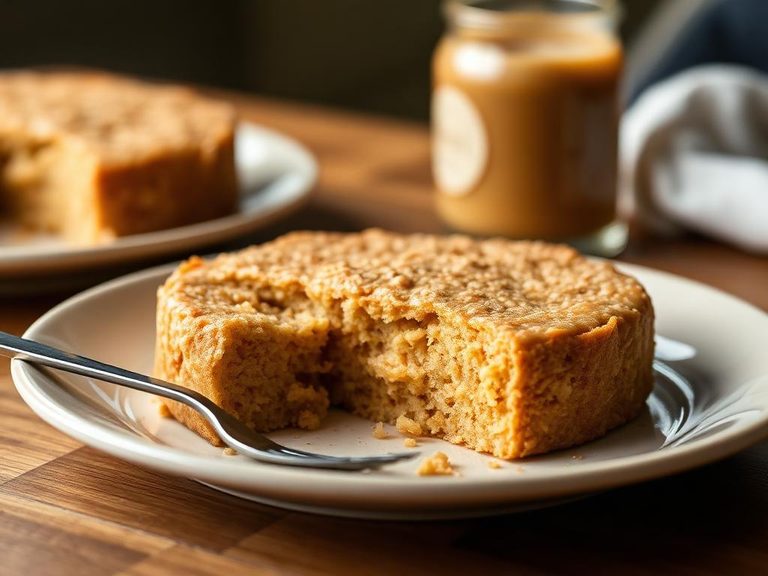

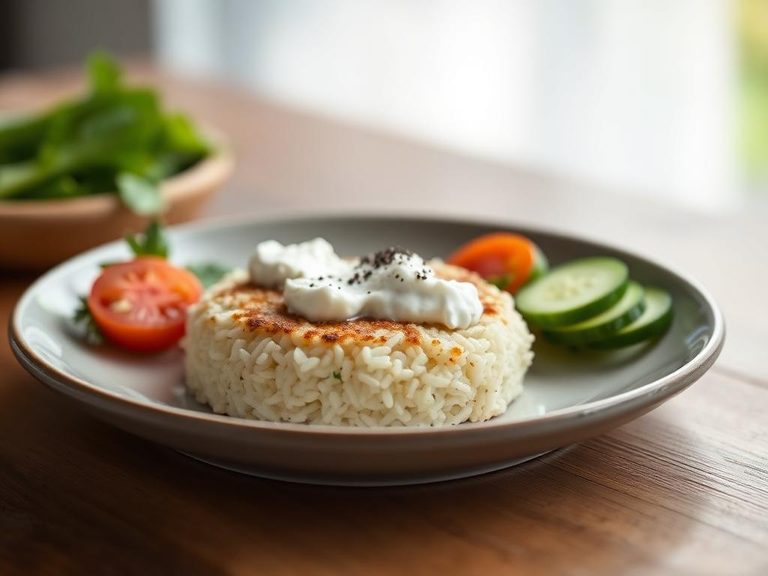
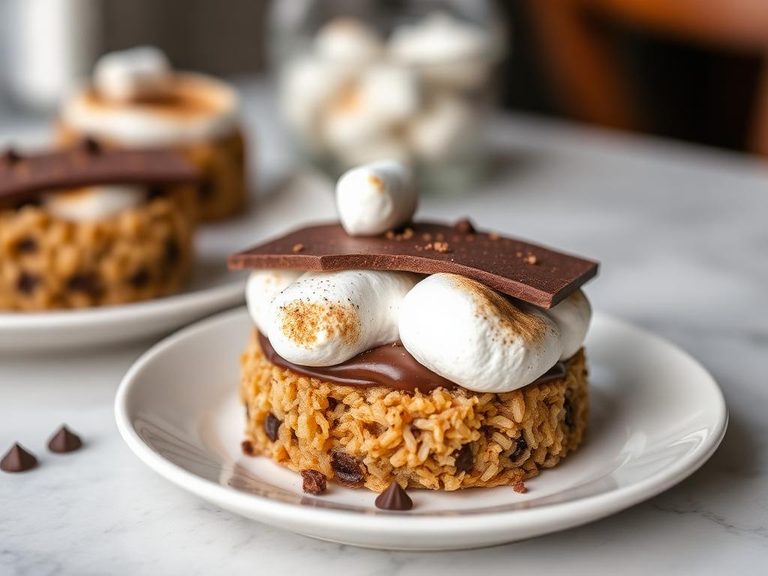
🌍 Where it's eaten
💡 Did you know?
The process of making puffed rice involves heating grains under pressure and then suddenly releasing that pressure, causing the moisture inside to flash into steam and expand the grain to many times its original size.
Full nutrition (USDA data · scales with serving)
| Water | 5.9 g |
| Energy | 392 kcal |
| Energy | 1640 kj |
| Protein | 7.6 g |
| Total lipid (fat) | 3.8 g |
| Ash | 1.2 g |
| Carbohydrate, by difference | 81.5 g |
| Calcium, Ca | 12.0 mg |
| Iron, Fe | 1.6 mg |
| Magnesium, Mg | 136 mg |
| Phosphorus, P | 375 mg |
| Potassium, K | 290 mg |
| Sodium, Na | 4.0 mg |
| Zinc, Zn | 3.0 mg |
| Copper, Cu | 0.39 mg |
| Manganese, Mn | 4.3 mg |
| Selenium, Se | 24.1 ug |
| Vitamin C, total ascorbic acid | 3.0 mg |
| Thiamin | 0.05 mg |
| Riboflavin | 0.09 mg |
| Niacin | 7.2 mg |
| Pantothenic acid | 1.5 mg |
| Vitamin B-6 | 0.15 mg |
| Folate, total | 18.0 ug |
| Folic acid | 0.00 ug |
| Folate, food | 18.0 ug |
| Folate, DFE | 18.0 ug |
| Vitamin B-12 | 0.00 ug |
| Vitamin A, RAE | 0.00 ug |
| Retinol | 0.00 ug |
| Vitamin A, IU | 0.00 iu |
Fat & fatty acid profile (per 100g)
| Fatty acids, total saturated | 0.54 g |
| SFA 12:0 | 0.00 g |
| SFA 14:0 | 0.01 g |
| SFA 16:0 | 0.43 g |
| SFA 18:0 | 0.08 g |
| Fatty acids, total monounsaturated | 1.1 g |
| MUFA 16:1 | 0.01 g |
| MUFA 18:1 | 1.1 g |
| MUFA 20:1 | 0.00 g |
| Fatty acids, total polyunsaturated | 1.1 g |
| PUFA 18:2 | 1.1 g |
| PUFA 18:3 | 0.04 g |
| Cholesterol | 0.00 mg |
Amino acid profile (per 100g)
| Tryptophan | 0.10 g |
| Threonine | 0.28 g |
| Isoleucine | 0.32 g |
| Leucine | 0.63 g |
| Lysine | 0.29 g |
| Methionine | 0.17 g |
| Cystine | 0.09 g |
| Phenylalanine | 0.39 g |
| Tyrosine | 0.29 g |
| Valine | 0.44 g |
| Arginine | 0.59 g |
| Histidine | 0.19 g |
| Alanine | 0.44 g |
| Aspartic acid | 0.71 g |
| Glutamic acid | 1.6 g |
| Glycine | 0.38 g |
| Proline | 0.35 g |
| Serine | 0.39 g |
FAQ
Are brown rice cakes healthier than white rice cakes?
Brown rice cakes are made from whole grain brown rice, so they retain more of the grain's natural nutrients, such as magnesium and B vitamins, compared to refined white rice. However, both are very low in fiber after the puffing process, so their glycemic impact can be similar.
Why do my sesame seed rice cakes taste bitter sometimes?
A slight bitterness can occur if the sesame seeds or the rice itself were over-toasted during the manufacturing process. It can also be a natural, mild flavor from the sesame hulls. Check the expiration date, as rancidity in the seed oils is another possibility.
Can I use rice cakes as a bread substitute?
Yes, they work as a light, crunchy alternative for open-faced sandwiches or toppings. However, they lack the chewy texture and structural integrity of bread, and their nutritional profile (especially the lack of protein and fiber) is quite different.
Nutrient density (calculated · NRF9.3)
Nutrient Rich Foods index: beneficial nutrients (protein, fiber, vitamins, minerals) minus saturated fat, added sugar & sodium, per 100 kcal.
NRF9.3 index — Fulgoni, Keast & Drewnowski, 2009. Computed from USDA nutrients.
Weight-loss friendliness (composite index)
Energy density 3.92 kcal/g · 8% calories from protein · 0.0 g fiber · 0.0 g sugar per 100 g.
Composite of energy density (Rolls et al., 1999), protein & fiber satiety, minus sugar. A calculated heuristic — ranks satiety-per-calorie, not a clinical measure.
Dietary load (calculated from USDA values)
Potential renal acid load. Positive = acid-forming, negative = alkaline-forming.
Sodium-to-potassium ratio: 0.01 (lower is better — aim for ≤ 1)
Sodium:potassium per WHO potassium guidance. Computed from USDA nutrients.