

Snacks, rice cakes, brown rice, sesame seed
Whole food · Snacks

Photo: Wikipedia
A light, airy, and satisfyingly crunchy snack made from puffed whole-grain brown rice, often speckled with nutty sesame seeds. Each bite delivers a clean, toasty grain flavor with a delicate sweetness and a satisfying snap. Nutritionally, it's a high-carb, low-fat energy source with a notable fiber content from the whole grain.
Calorie split: 8% protein · 83% carbs · 9% fat
↓ Full nutrition💚 Why it's loved
People love it for its pure, satisfying crunch and light, toasty flavor that isn't overpowering. Its neutral taste makes it incredibly versatile, serving as a blank canvas for both sweet and savory toppings or simply enjoyed plain for a wholesome, nostalgic treat.
⚠️ Watch-outs & how to enjoy it better
Its high carbohydrate content can lead to blood-sugar spikes if eaten alone, and it's not very filling due to low protein and fat. To counteract this, pair it with a protein or healthy fat source like nut butter, hummus, or a slice of cheese to slow digestion and increase satiety.
Key benefits
- Provides quick, easily digestible energy from complex carbohydrates.
- A good source of dietary fiber (5.4g/100g) for digestive health.
- Low in fat and contains no added sugar.
- Lightweight and portable for a convenient on-the-go snack.
- Sesame seeds add trace minerals and a boost of flavor.
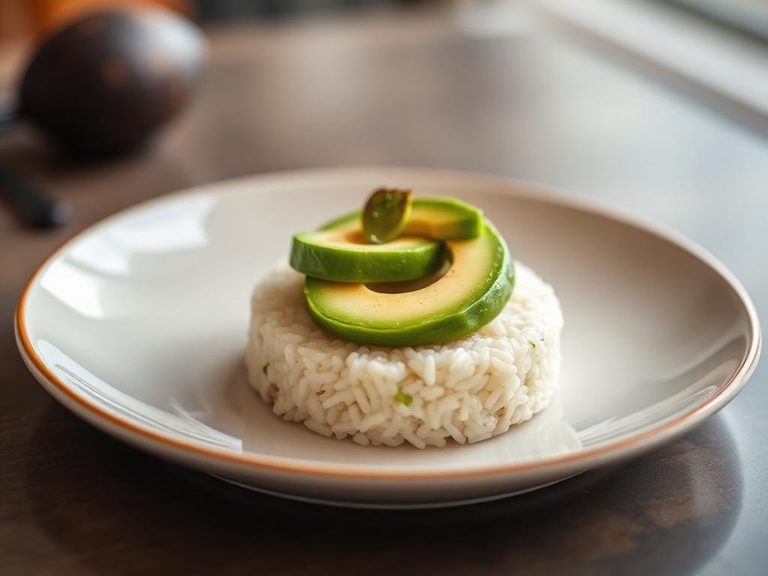
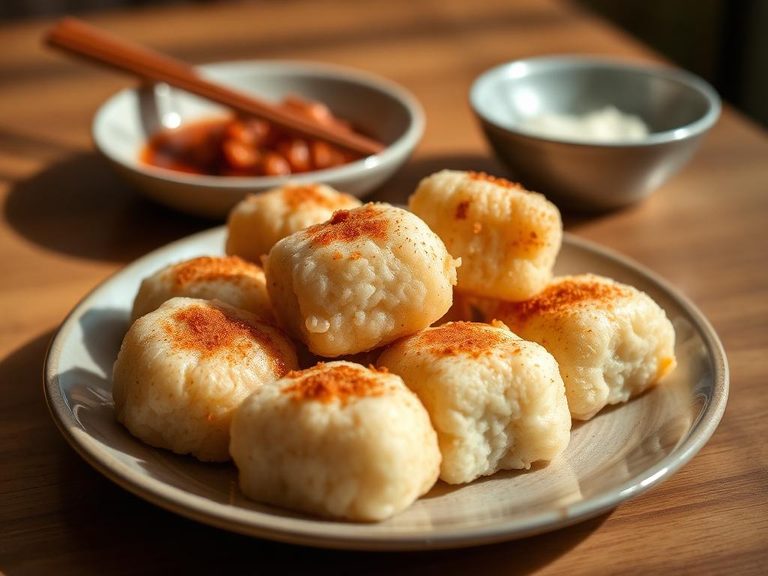
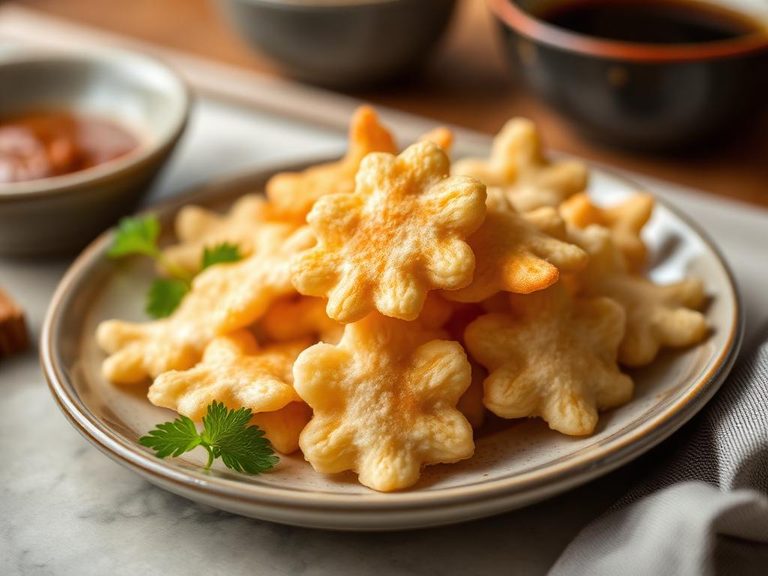
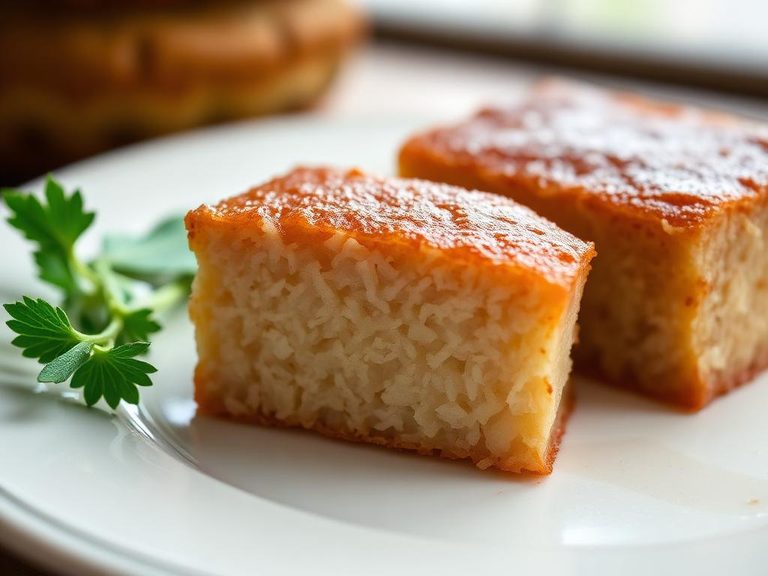
🍽️ Popular dishes
🌍 Where it's eaten
💡 Did you know?
The process of making puffed rice involves heating grains under pressure and then suddenly releasing the pressure, causing the moisture inside to flash into steam and puff the grain to many times its original size.
Full nutrition (USDA data · scales with serving)
| Water | 5.9 g |
| Energy | 392 kcal |
| Energy | 1640 kj |
| Protein | 7.6 g |
| Total lipid (fat) | 3.8 g |
| Ash | 1.2 g |
| Carbohydrate, by difference | 81.5 g |
| Fiber, total dietary | 5.4 g |
| Calcium, Ca | 12.0 mg |
| Iron, Fe | 1.6 mg |
| Magnesium, Mg | 136 mg |
| Phosphorus, P | 375 mg |
| Potassium, K | 290 mg |
| Sodium, Na | 227 mg |
| Zinc, Zn | 3.0 mg |
| Copper, Cu | 0.39 mg |
| Manganese, Mn | 4.3 mg |
| Selenium, Se | 24.1 ug |
| Vitamin C, total ascorbic acid | 3.0 mg |
| Thiamin | 0.05 mg |
| Riboflavin | 0.09 mg |
| Niacin | 7.2 mg |
| Pantothenic acid | 1.5 mg |
| Vitamin B-6 | 0.15 mg |
| Folate, total | 18.0 ug |
| Folic acid | 0.00 ug |
| Folate, food | 18.0 ug |
| Folate, DFE | 18.0 ug |
| Vitamin B-12 | 0.00 ug |
| Vitamin A, RAE | 0.00 ug |
| Retinol | 0.00 ug |
| Vitamin A, IU | 0.00 iu |
Fat & fatty acid profile (per 100g)
| Fatty acids, total saturated | 0.54 g |
| SFA 12:0 | 0.00 g |
| SFA 14:0 | 0.01 g |
| SFA 16:0 | 0.43 g |
| SFA 18:0 | 0.08 g |
| Fatty acids, total monounsaturated | 1.1 g |
| MUFA 16:1 | 0.01 g |
| MUFA 18:1 | 1.1 g |
| MUFA 20:1 | 0.00 g |
| Fatty acids, total polyunsaturated | 1.1 g |
| PUFA 18:2 | 1.1 g |
| PUFA 18:3 | 0.04 g |
| Cholesterol | 0.00 mg |
Amino acid profile (per 100g)
| Tryptophan | 0.10 g |
| Threonine | 0.28 g |
| Isoleucine | 0.32 g |
| Leucine | 0.63 g |
| Lysine | 0.29 g |
| Methionine | 0.17 g |
| Cystine | 0.09 g |
| Phenylalanine | 0.39 g |
| Tyrosine | 0.29 g |
| Valine | 0.44 g |
| Arginine | 0.59 g |
| Histidine | 0.19 g |
| Alanine | 0.44 g |
| Aspartic acid | 0.71 g |
| Glutamic acid | 1.6 g |
| Glycine | 0.38 g |
| Proline | 0.35 g |
| Serine | 0.39 g |
FAQ
Are brown rice cakes healthier than white rice cakes?
Generally, yes. Brown rice cakes are made from whole-grain brown rice, which retains the bran and germ, offering more fiber, vitamins, and minerals compared to refined white rice. This can lead to a slightly lower glycemic impact and more sustained energy.
Why are sesame seeds added?
Sesame seeds are primarily added for flavor and texture, contributing a pleasant, nutty taste and a slight crunch. They also add small amounts of healthy fats, protein, and minerals like calcium and magnesium.
Can I eat these on a gluten-free diet?
Most plain brown rice cakes are naturally gluten-free, as they are made from rice. However, always check the packaging for a certified gluten-free label to ensure they haven't been processed in a facility with wheat or other gluten-containing grains.
Nutrient density (calculated · NRF9.3)
Nutrient Rich Foods index: beneficial nutrients (protein, fiber, vitamins, minerals) minus saturated fat, added sugar & sodium, per 100 kcal.
NRF9.3 index — Fulgoni, Keast & Drewnowski, 2009. Computed from USDA nutrients.
Weight-loss friendliness (composite index)
Energy density 3.92 kcal/g · 8% calories from protein · 5.4 g fiber · 0.0 g sugar per 100 g.
Composite of energy density (Rolls et al., 1999), protein & fiber satiety, minus sugar. A calculated heuristic — ranks satiety-per-calorie, not a clinical measure.
Dietary load (calculated from USDA values)
Potential renal acid load. Positive = acid-forming, negative = alkaline-forming.
Sodium-to-potassium ratio: 0.78 (lower is better — aim for ≤ 1)
Sodium:potassium per WHO potassium guidance. Computed from USDA nutrients.