

Tteok
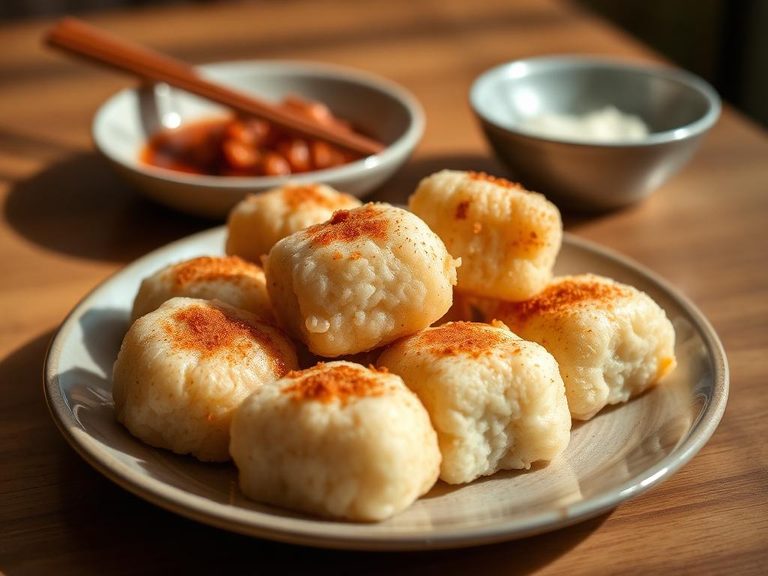
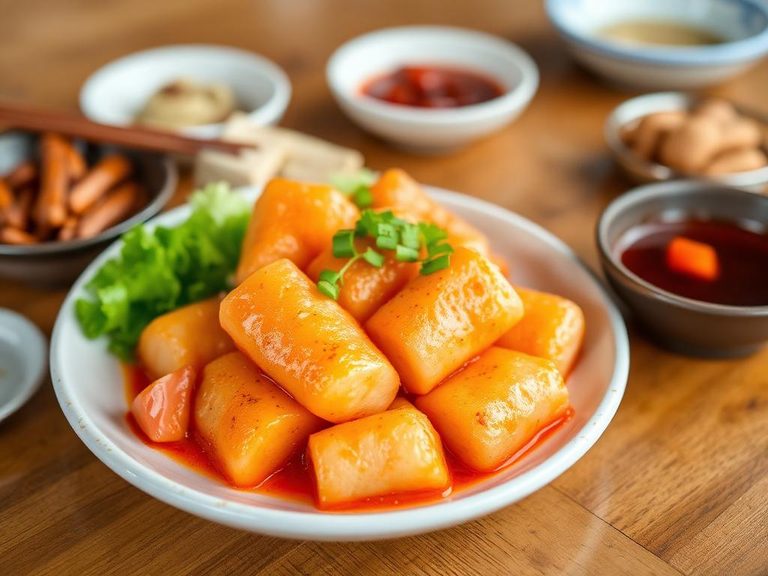
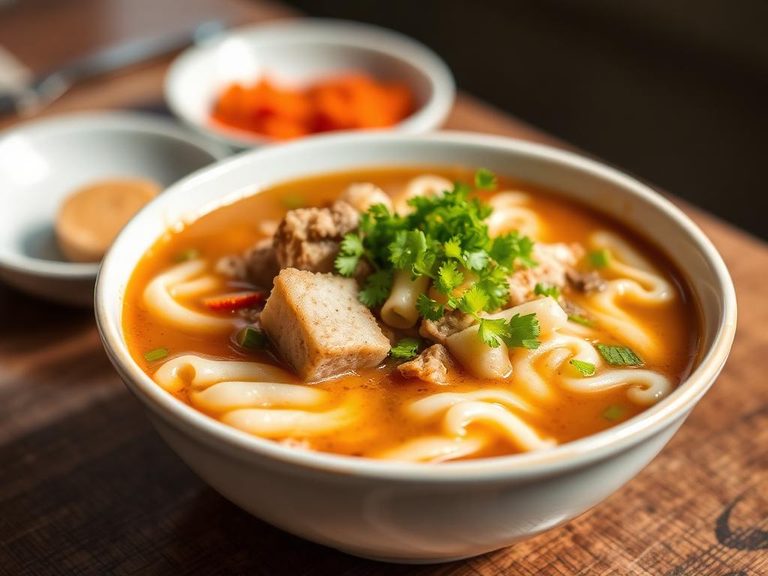
Tteok are Korean rice cakes made from glutinous rice flour, often shaped into long cylinders, discs, or puffed forms. They are a staple ingredient in Korean cuisine, used in both savory dishes like tteokbokki and sweet treats like tteokguk. Originating from Korea, they are deeply embedded in traditional meals and celebrations.
🍳 View the full Tteok recipe →
🍽️ Nutrition at a glance
Tteok is primarily a high-carbohydrate food, providing quick energy with minimal fat and protein. A typical serving of about 100 grams contains roughly 200-250 calories, along with small amounts of minerals like iron and calcium.
Nutrition breakdown
| Calories | 280 kcal |
| Protein | 4.5 g |
| Carbs | 62 g |
| Fat | 0.5 g |
| Fiber | 1 g |
| Sugar | 0.5 g |
| Sodium | 15 mg |
| Iron | 1.5 mg |
| Thiamin (B1) | 0.1 mg |
| Niacin (B3) | 2.5 mg |
| Folate | 30 mcg |
| Magnesium | 25 mg |
| Phosphorus | 60 mg |
| Manganese | 0.8 mg |
| Selenium | 5 mcg |
Per 1 cup (150 g) · estimated, varies by recipe
💡 What's interesting
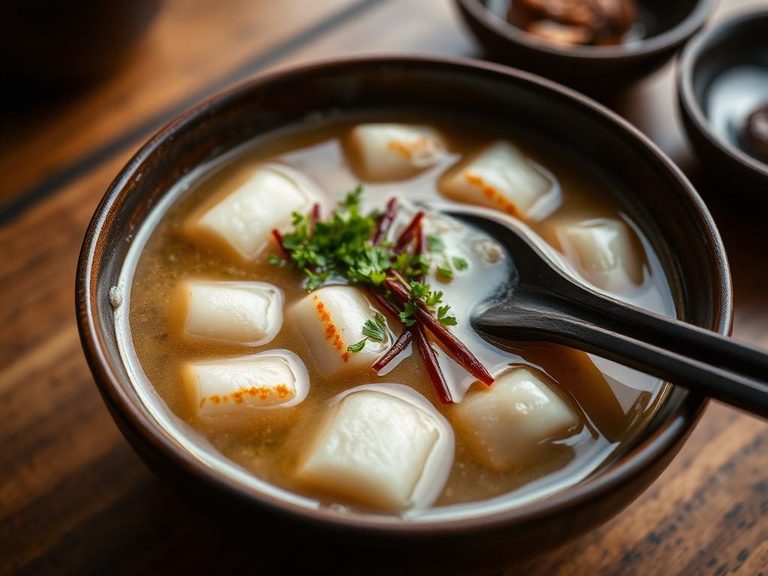
Culturally, tteok is essential for Korean New Year (Seollal) in the soup tteokguk, symbolizing aging one year older. Nutritionally, its puffed varieties offer a lighter, airier texture while retaining the chewy, satisfying quality that makes it a beloved comfort food.
🍽️ Related dishes
AI estimate may be inaccurate · Terms