

Snacks, rice cakes, brown rice, multigrain, unsalted
Whole food · Snacks

Photo: Wikipedia
A light, airy, and crispy puffed cake made from a blend of whole brown rice and other grains. It has a subtle, toasty, nutty flavor with a satisfying, delicate crunch that dissolves easily. Nutritionally, it's a high-carb, low-fat snack providing quick energy with a modest protein boost from its multigrain composition.
Calorie split: 9% protein · 83% carbs · 8% fat
↓ Full nutrition💚 Why it's loved
People love it for its clean, simple taste and the satisfying sound and feel of its crisp texture. It's incredibly versatile, serving as a blank canvas for both sweet and savory toppings, from avocado to nut butter.
⚠️ Watch-outs & how to enjoy it better
With zero fiber and sugar, it's a high-glycemic food that can cause rapid blood-sugar spikes, making it less ideal for sustained energy or diabetics without pairing. To counteract this, always combine it with a protein or healthy fat like hummus, cottage cheese, or a handful of nuts to slow digestion and increase satiety.
Key benefits
- Low in fat and cholesterol-free
- Provides quick, easily digestible energy
- A lighter alternative to fried snacks or chips
- Gluten-free if made from certified grains
- Low in sodium when unsalted
🍽️ Popular dishes
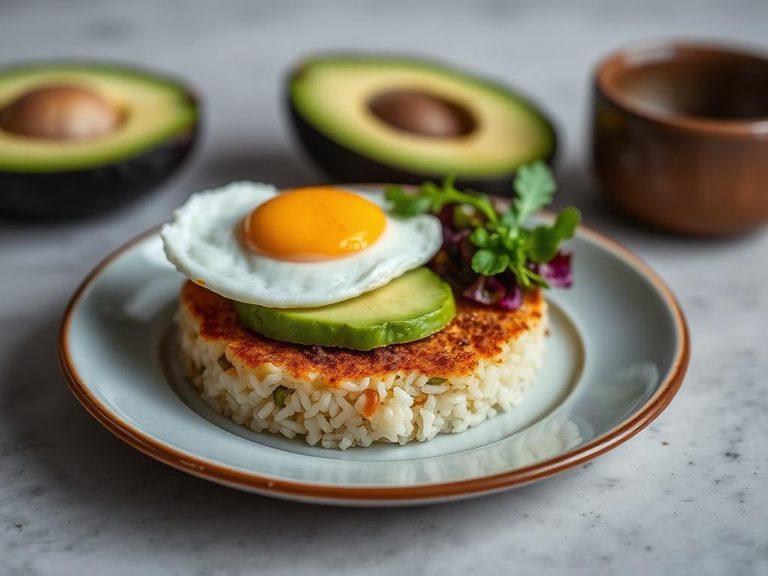
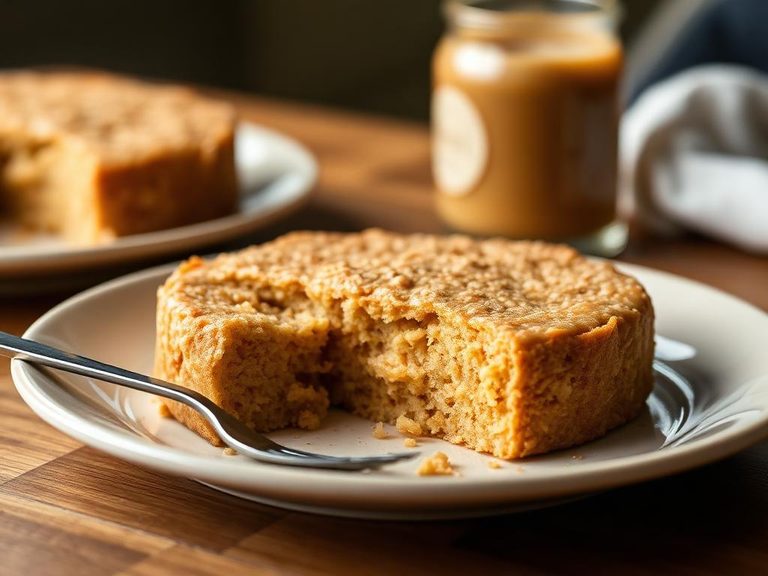

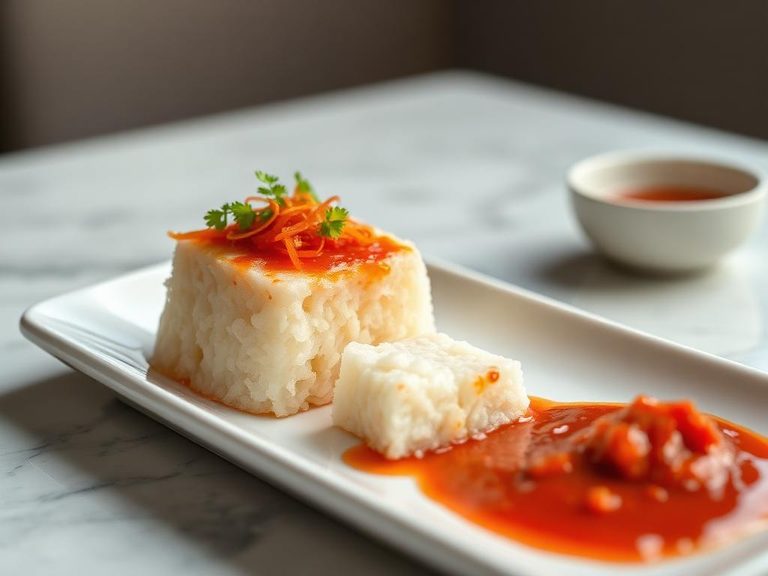
🌍 Where it's eaten
💡 Did you know?
The modern commercial rice cake was popularized in the United States in the 1910s by a Japanese immigrant, but its concept dates back centuries in East Asian cuisine as a way to preserve and eat leftover rice.
Full nutrition (USDA data · scales with serving)
| Water | 6.3 g |
| Energy | 387 kcal |
| Energy | 1619 kj |
| Protein | 8.5 g |
| Total lipid (fat) | 3.5 g |
| Ash | 1.6 g |
| Carbohydrate, by difference | 80.1 g |
| Calcium, Ca | 21.0 mg |
| Iron, Fe | 2.0 mg |
| Magnesium, Mg | 137 mg |
| Phosphorus, P | 370 mg |
| Potassium, K | 294 mg |
| Sodium, Na | 4.0 mg |
| Zinc, Zn | 2.5 mg |
| Copper, Cu | 0.43 mg |
| Manganese, Mn | 5.2 mg |
| Selenium, Se | 20.0 ug |
| Vitamin C, total ascorbic acid | 0.00 mg |
| Thiamin | 0.07 mg |
| Riboflavin | 0.18 mg |
| Niacin | 6.6 mg |
| Pantothenic acid | 1.0 mg |
| Vitamin B-6 | 0.14 mg |
| Folate, total | 20.0 ug |
| Folic acid | 0.00 ug |
| Folate, food | 20.0 ug |
| Folate, DFE | 20.0 ug |
| Vitamin B-12 | 0.00 ug |
| Vitamin A, RAE | 0.00 ug |
| Retinol | 0.00 ug |
| Vitamin A, IU | 0.00 iu |
Fat & fatty acid profile (per 100g)
| Fatty acids, total saturated | 0.56 g |
| SFA 10:0 | 0.00 g |
| SFA 12:0 | 0.00 g |
| SFA 14:0 | 0.01 g |
| SFA 16:0 | 0.46 g |
| SFA 18:0 | 0.08 g |
| Fatty acids, total monounsaturated | 1.2 g |
| MUFA 16:1 | 0.01 g |
| MUFA 18:1 | 1.1 g |
| MUFA 20:1 | 0.00 g |
| Fatty acids, total polyunsaturated | 1.4 g |
| PUFA 18:2 | 1.0 g |
| PUFA 18:3 | 0.44 g |
| Cholesterol | 0.00 mg |
Amino acid profile (per 100g)
| Tryptophan | 0.11 g |
| Threonine | 0.30 g |
| Isoleucine | 0.35 g |
| Leucine | 0.68 g |
| Lysine | 0.31 g |
| Methionine | 0.18 g |
| Cystine | 0.11 g |
| Phenylalanine | 0.42 g |
| Tyrosine | 0.30 g |
| Valine | 0.48 g |
| Arginine | 0.62 g |
| Histidine | 0.21 g |
| Alanine | 0.48 g |
| Aspartic acid | 0.77 g |
| Glutamic acid | 1.7 g |
| Glycine | 0.41 g |
| Proline | 0.41 g |
| Serine | 0.43 g |
FAQ
Are brown rice cakes healthier than white rice cakes?
They are made from whole grain brown rice, which retains more nutrients like magnesium and B vitamins than refined white rice. However, the puffing process still results in a high-glycemic food, so the nutritional difference is modest.
Why do they have 0g of fiber if they're whole grain?
The extreme heat and pressure of the puffing process can break down the grain's cellular structure, including much of the insoluble fiber. While some fiber may remain, it's often negligible enough to round down to 0g per serving on nutrition labels.
Can I use them as a bread substitute?
Yes, they are a popular gluten-free, low-calorie alternative for open-faced sandwiches or toast. Their sturdy, flat surface holds toppings well, though they lack the chew and density of bread.
Nutrient density (calculated · NRF9.3)
Nutrient Rich Foods index: beneficial nutrients (protein, fiber, vitamins, minerals) minus saturated fat, added sugar & sodium, per 100 kcal.
NRF9.3 index — Fulgoni, Keast & Drewnowski, 2009. Computed from USDA nutrients.
Weight-loss friendliness (composite index)
Energy density 3.87 kcal/g · 9% calories from protein · 0.0 g fiber · 0.0 g sugar per 100 g.
Composite of energy density (Rolls et al., 1999), protein & fiber satiety, minus sugar. A calculated heuristic — ranks satiety-per-calorie, not a clinical measure.
Dietary load (calculated from USDA values)
Potential renal acid load. Positive = acid-forming, negative = alkaline-forming.
Sodium-to-potassium ratio: 0.01 (lower is better — aim for ≤ 1)
Sodium:potassium per WHO potassium guidance. Computed from USDA nutrients.