

Rice, white, short-grain, raw, unenriched
Whole food · Cereal Grains and Pasta
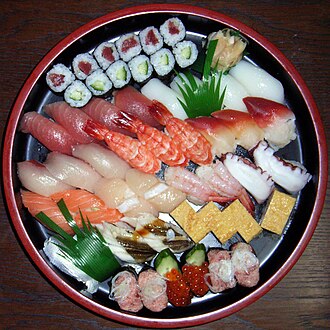
Photo: Wikipedia
Short-grain white rice is a plump, polished grain prized for its high starch content, which gives it a distinctively sticky, slightly chewy texture when cooked. Its flavor is clean, subtly sweet, and neutral, making it a perfect canvas for both savory and sweet dishes. Nutritionally, it's a dense source of quick energy, providing nearly 80 grams of carbohydrates per 100g in its raw state.
Calorie split: 7% protein · 91% carbs · 1% fat
↓ Full nutrition💚 Why it's loved
People love it for its comforting, subtly sweet flavor and uniquely satisfying, sticky-chewy texture that clings together perfectly. It's the cultural cornerstone of countless East Asian cuisines, forming the essential base for everything from sushi to onigiri to congee.
⚠️ Watch-outs & how to enjoy it better
Its high glycemic index can cause rapid blood sugar spikes, which is a concern for individuals managing diabetes. To counteract this, pair it with protein (like fish or tofu) and healthy fats (like avocado or sesame oil), or mix it with fiber-rich vegetables. Using a smaller portion and opting for a vinegar-based sushi rice preparation can also help moderate the glycemic response.
Key benefits
- Excellent source of quick-release energy for active lifestyles.
- Naturally gluten-free, making it a safe staple for those with celiac disease.
- Low in fat and a good source of thiamine (vitamin B1).
- Its sticky texture is ideal for forming sushi or rice balls.
- A hypoallergenic and easily digestible grain for sensitive stomachs.
🍽️ Popular dishes
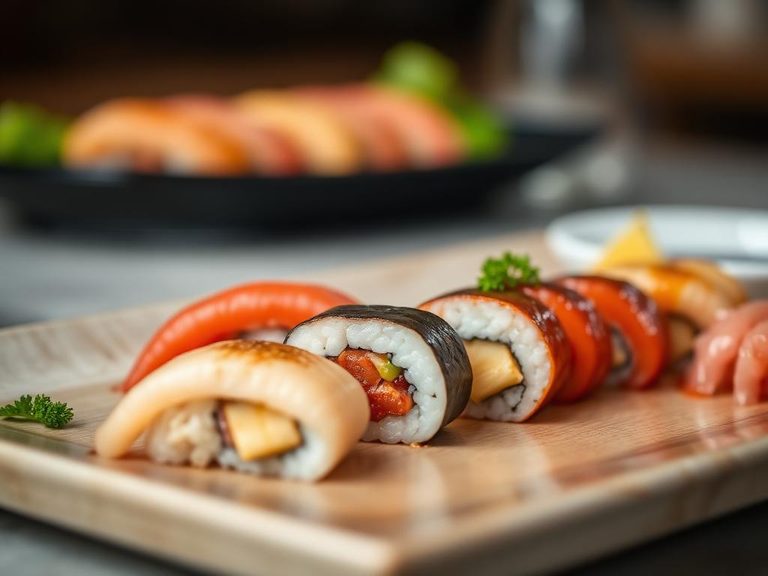
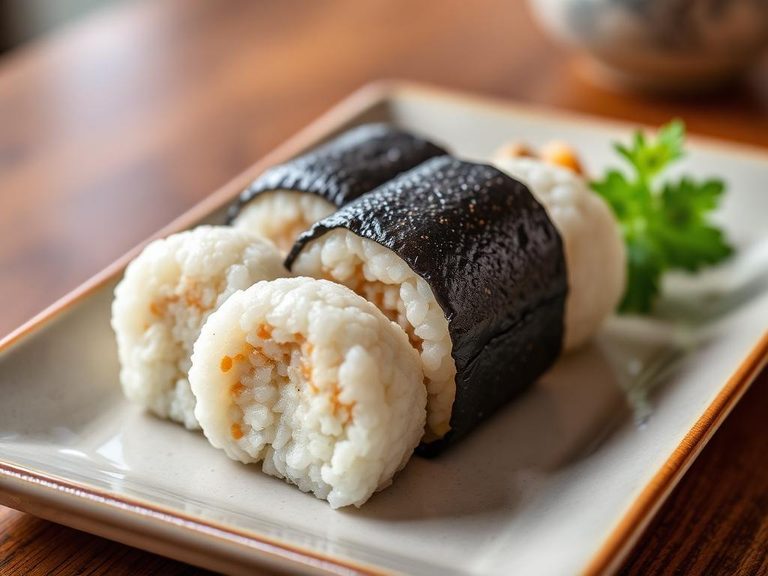
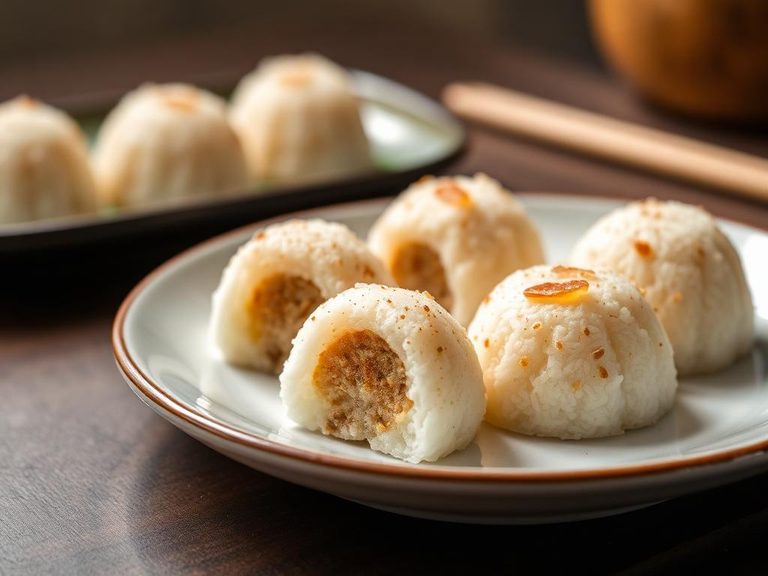
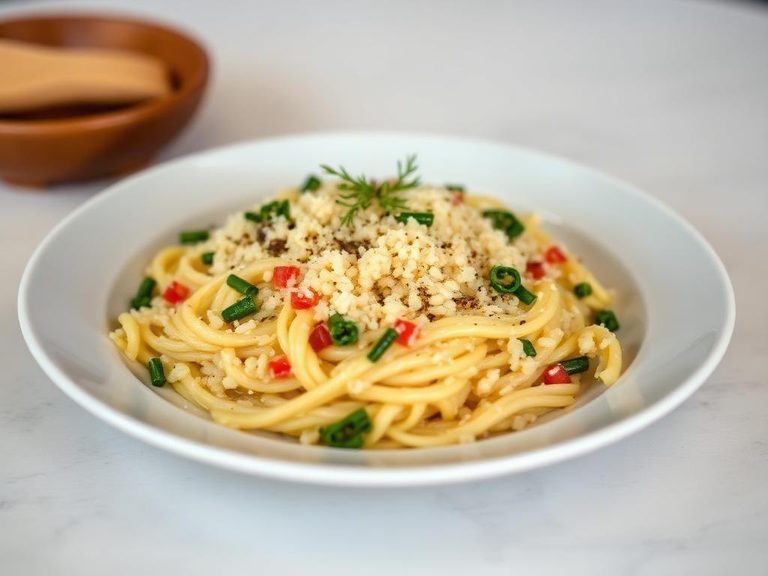
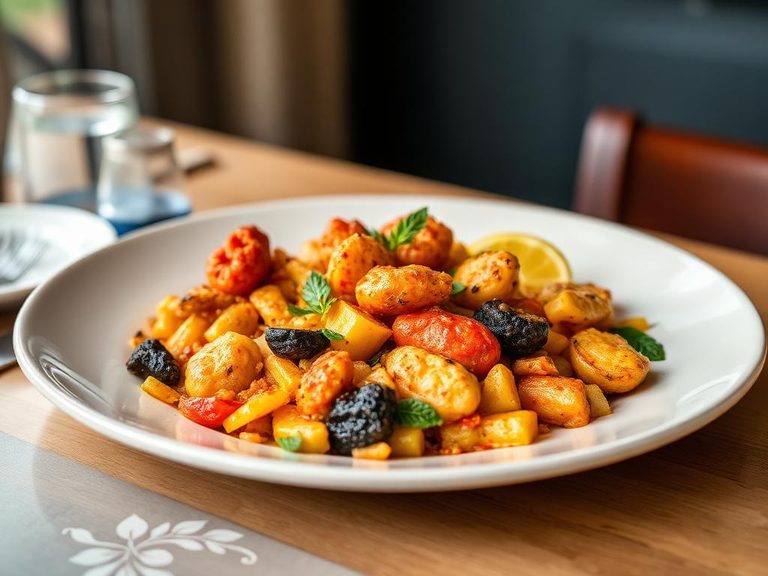
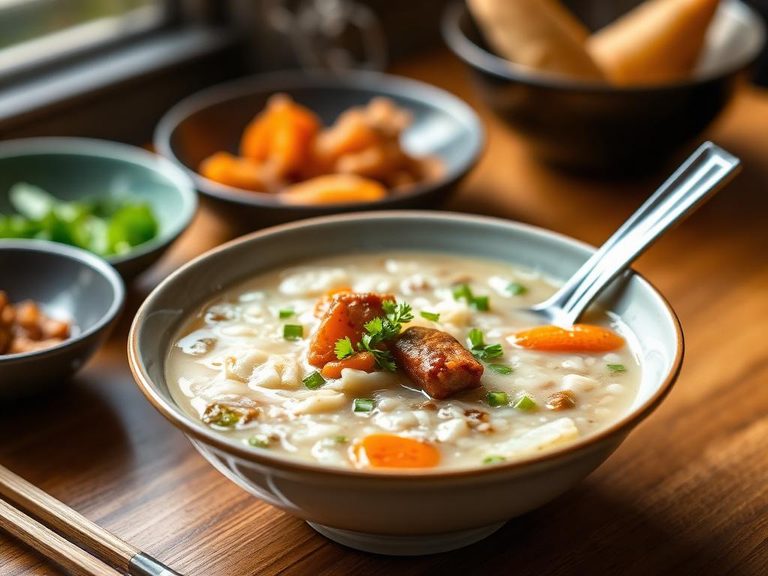
🌍 Where it's eaten
💡 Did you know?
The specific starch responsible for its signature stickiness is amylopectin, which makes up about 80% of its starch content, compared to only about 20-25% in long-grain varieties like basmati.
Full nutrition (USDA data · scales with serving)
| Water | 13.3 g |
| Energy | 358 kcal |
| Energy | 1498 kj |
| Protein | 6.5 g |
| Total lipid (fat) | 0.52 g |
| Ash | 0.54 g |
| Carbohydrate, by difference | 79.2 g |
| Calcium, Ca | 3.0 mg |
| Iron, Fe | 0.80 mg |
| Magnesium, Mg | 23.0 mg |
| Phosphorus, P | 95.0 mg |
| Potassium, K | 76.0 mg |
| Sodium, Na | 1.0 mg |
| Zinc, Zn | 1.1 mg |
| Copper, Cu | 0.21 mg |
| Manganese, Mn | 1.0 mg |
| Vitamin C, total ascorbic acid | 0.00 mg |
| Thiamin | 0.07 mg |
| Riboflavin | 0.05 mg |
| Niacin | 1.6 mg |
| Pantothenic acid | 1.3 mg |
| Vitamin B-6 | 0.17 mg |
| Folate, total | 6.0 ug |
| Folic acid | 0.00 ug |
| Folate, food | 6.0 ug |
| Folate, DFE | 6.0 ug |
| Vitamin B-12 | 0.00 ug |
| Vitamin B-12, added | 0.00 ug |
| Vitamin D (D2 + D3), International Units | 0.00 iu |
| Vitamin D (D2 + D3) | 0.00 ug |
Fat & fatty acid profile (per 100g)
| Fatty acids, total saturated | 0.14 g |
| SFA 14:0 | 0.00 g |
| SFA 16:0 | 0.13 g |
| SFA 18:0 | 0.01 g |
| Fatty acids, total monounsaturated | 0.16 g |
| MUFA 16:1 | 0.00 g |
| MUFA 18:1 | 0.16 g |
| Fatty acids, total polyunsaturated | 0.14 g |
| PUFA 18:2 | 0.11 g |
| PUFA 18:3 | 0.02 g |
| Cholesterol | 0.00 mg |
Amino acid profile (per 100g)
| Tryptophan | 0.07 g |
| Threonine | 0.23 g |
| Isoleucine | 0.28 g |
| Leucine | 0.54 g |
| Lysine | 0.23 g |
| Methionine | 0.15 g |
| Cystine | 0.13 g |
| Phenylalanine | 0.35 g |
| Tyrosine | 0.22 g |
| Valine | 0.40 g |
| Arginine | 0.54 g |
| Histidine | 0.15 g |
| Alanine | 0.38 g |
| Aspartic acid | 0.61 g |
| Glutamic acid | 1.3 g |
| Glycine | 0.30 g |
| Proline | 0.31 g |
| Serine | 0.34 g |
FAQ
What's the difference between short-grain and long-grain rice?
Short-grain rice is plump and oval, with a high amylopectin starch that makes it sticky and chewy when cooked. Long-grain rice (like basmati or jasmine) is slender, cooks up fluffy and separate, and has a lower starch content.
Can I use short-grain rice for regular steamed rice?
Yes, but expect a stickier, clumpier result. It's great for dishes where you want the rice to hold together, but not ideal if you prefer each grain to be light and separate.
Why is my sushi rice too mushy or too hard?
Mushiness often comes from using too much water or over-stirring while cooking. Hardness can result from undercooking or using too little water. The key is a precise water ratio (typically 1:1 or 1:1.1 by volume) and gentle folding after cooking with the vinegar seasoning.
Nutrient density (calculated · NRF9.3)
Nutrient Rich Foods index: beneficial nutrients (protein, fiber, vitamins, minerals) minus saturated fat, added sugar & sodium, per 100 kcal.
NRF9.3 index — Fulgoni, Keast & Drewnowski, 2009. Computed from USDA nutrients.
Weight-loss friendliness (composite index)
Energy density 3.58 kcal/g · 7% calories from protein · 0.0 g fiber · 0.0 g sugar per 100 g.
Composite of energy density (Rolls et al., 1999), protein & fiber satiety, minus sugar. A calculated heuristic — ranks satiety-per-calorie, not a clinical measure.
Dietary load (calculated from USDA values)
Potential renal acid load. Positive = acid-forming, negative = alkaline-forming.
Sodium-to-potassium ratio: 0.01 (lower is better — aim for ≤ 1)
Sodium:potassium per WHO potassium guidance. Computed from USDA nutrients.