Peppers, sweet, red, raw
Common food

Photo: Wikipedia
The raw red bell pepper is a glossy, hollow fruit with a crisp, juicy snap and a bright, sweet flavor that leans less on heat and more on pure, sun-ripened fruitiness. Nutritionally, it is a powerhouse of Vitamin C—far exceeding an orange—while remaining exceptionally low in calories and carbohydrates. Its vibrant crimson hue signals a high concentration of antioxidants, particularly carotenoids like capsanthin.
💚 Why it's loved
People adore the raw red pepper for its satisfying crunch and naturally sweet, non-pungent flavor that makes it a perfect vehicle for dips like hummus. It is celebrated for its incredible versatility, adding color and a fresh, clean taste to salads, wraps, and stir-fries without overpowering other ingredients.
⚠️ Watch-outs & how to enjoy it better
Some may find the raw texture too firm or the flavor slightly grassy, and those with sensitive digestive systems might experience mild bloating from its fiber content. To counteract this, pair it with a protein or healthy fat (like cheese or nuts) to slow digestion, and consider lightly cooking it if raw consumption causes discomfort, as this breaks down some fibers.
Key benefits
- Exceptionally high in Vitamin C, supporting immune function and collagen production
- Rich in carotenoid antioxidants like capsanthin, which give it a deep red color
- Very low in calories and carbohydrates, making it ideal for weight management
- Good source of dietary fiber, aiding in digestion and satiety
- Contains Vitamin A precursors (beta-carotene) for eye health
🍽️ Popular dishes
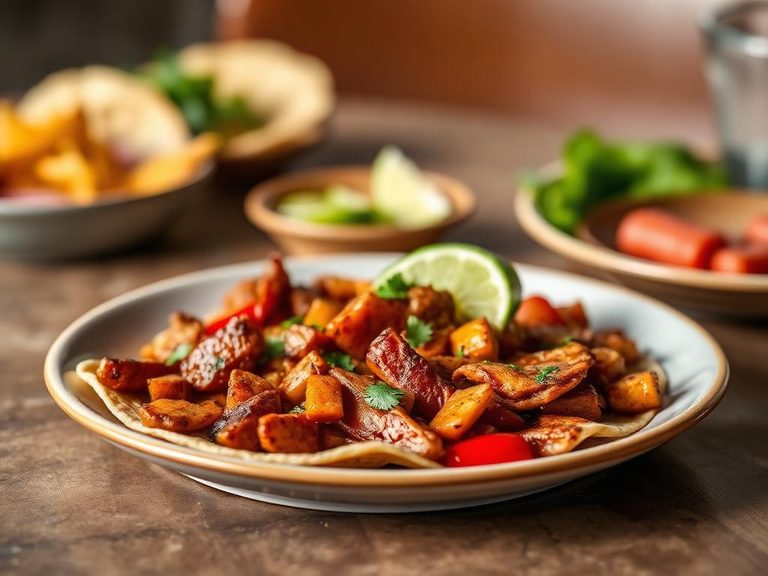
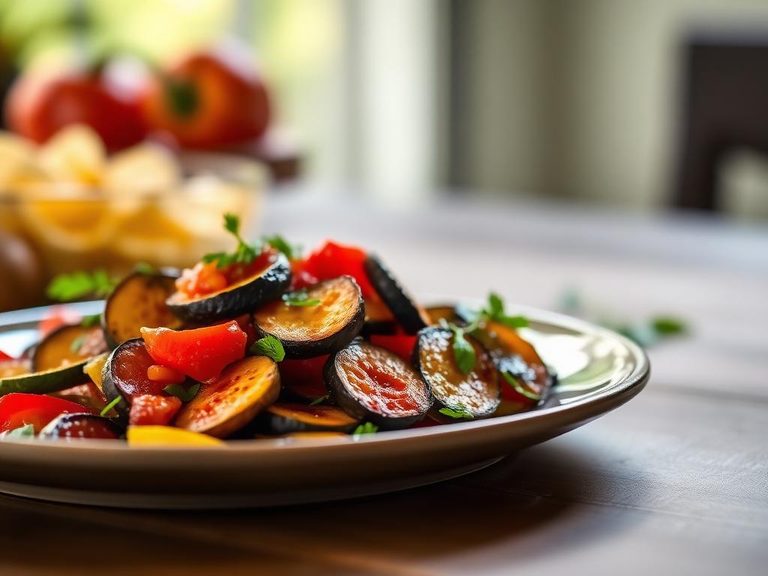
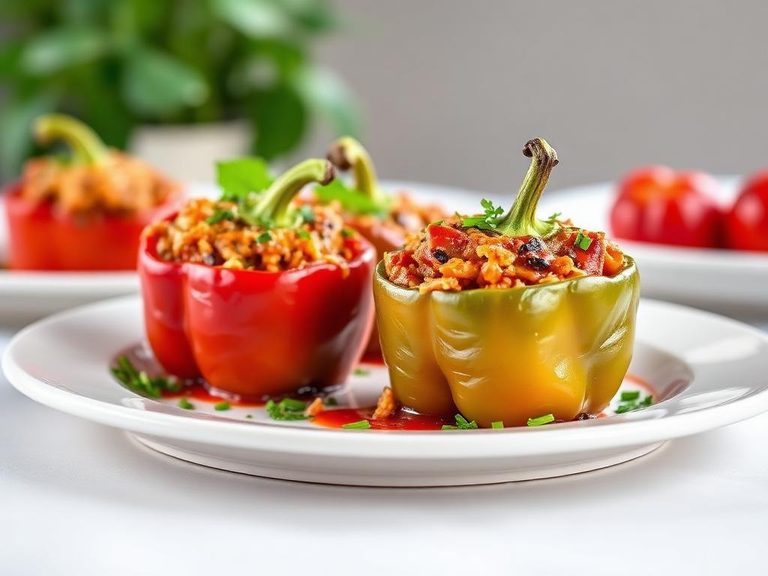
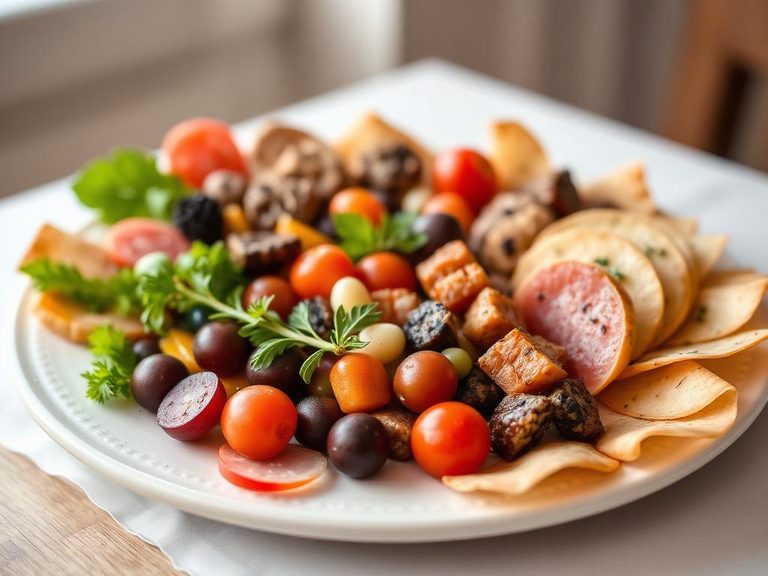
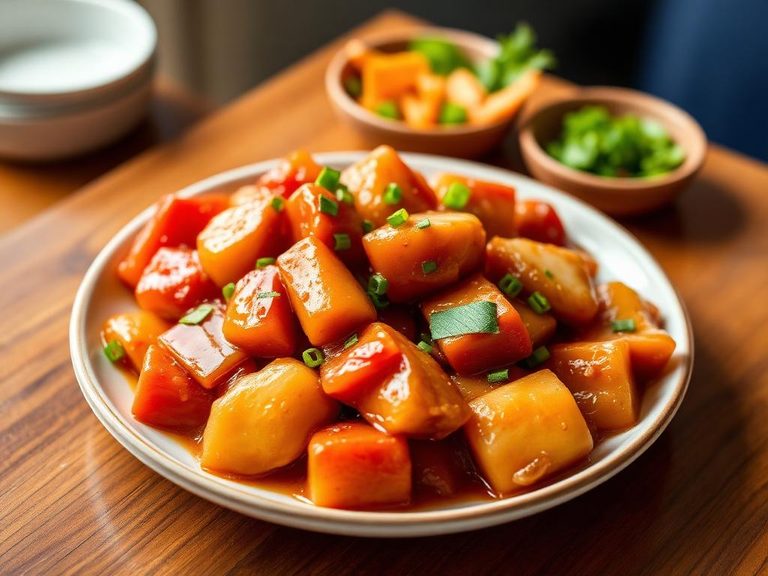
🌍 Where it's eaten
💡 Did you know?
The red bell pepper is actually a fully mature green pepper; its color change is a natural ripening process that increases its sugar content and Vitamin C levels by up to 30%.
Full nutrition (scales with serving)
| Water | 91.9 g |
| Energy | 31.0 kcal |
| Protein | 0.90 g |
| Total lipid (fat) | 0.13 g |
| Carbohydrate, by difference | 6.7 g |
| Fiber, total dietary | 1.2 g |
| Total Sugars | 4.2 g |
| Calcium, Ca | 6.0 mg |
| Iron, Fe | 0.35 mg |
| Magnesium, Mg | 11.0 mg |
| Phosphorus, P | 27.0 mg |
| Potassium, K | 213 mg |
| Sodium, Na | 0.00 mg |
| Zinc, Zn | 0.20 mg |
| Copper, Cu | 0.04 mg |
| Selenium, Se | 0.00 ug |
| Vitamin C, total ascorbic acid | 142 mg |
| Thiamin | 0.06 mg |
| Riboflavin | 0.14 mg |
| Niacin | 1.0 mg |
| Vitamin B-6 | 0.30 mg |
| Folate, total | 47.0 ug |
| Folic acid | 0.00 ug |
| Folate, food | 47.0 ug |
| Folate, DFE | 47.0 ug |
| Choline, total | 5.6 mg |
| Vitamin B-12 | 0.00 ug |
| Vitamin B-12, added | 0.00 ug |
| Vitamin A, RAE | 157 ug |
| Retinol | 0.00 ug |
| Carotene, beta | 1624 ug |
| Carotene, alpha | 20.0 ug |
| Cryptoxanthin, beta | 490 ug |
| Lycopene | 0.00 ug |
| Lutein + zeaxanthin | 51.0 ug |
| Vitamin E (alpha-tocopherol) | 1.6 mg |
| Vitamin E, added | 0.00 mg |
| Vitamin D (D2 + D3) | 0.00 ug |
| Vitamin K (phylloquinone) | 4.9 ug |
| Fatty acids, total saturated | 0.06 g |
| SFA 4:0 | 0.00 g |
| SFA 6:0 | 0.00 g |
| SFA 8:0 | 0.00 g |
| SFA 10:0 | 0.00 g |
| SFA 12:0 | 0.00 g |
| SFA 14:0 | 0.00 g |
| SFA 16:0 | 0.06 g |
| SFA 18:0 | 0.00 g |
| Fatty acids, total monounsaturated | 0.01 g |
| MUFA 16:1 | 0.00 g |
| MUFA 18:1 | 0.00 g |
| MUFA 20:1 | 0.00 g |
| MUFA 22:1 | 0.00 g |
| Fatty acids, total polyunsaturated | 0.16 g |
| PUFA 18:2 | 0.10 g |
| PUFA 18:3 | 0.06 g |
| PUFA 18:4 | 0.00 g |
| PUFA 20:4 | 0.00 g |
| PUFA 20:5 n-3 (EPA) | 0.00 g |
| PUFA 22:5 n-3 (DPA) | 0.00 g |
| PUFA 22:6 n-3 (DHA) | 0.00 g |
| Cholesterol | 0.00 mg |
| Alcohol, ethyl | 0.00 g |
| Caffeine | 0.00 mg |
| Theobromine | 0.00 mg |
FAQ
Are red peppers the same as green peppers?
Yes, they are the same fruit (Capsicum annuum). A red pepper is simply a green pepper that has been allowed to fully ripen on the vine, which changes its color, flavor, and nutritional profile.
Is the white pith inside the pepper edible?
Yes, the white pith (placenta) and seeds are edible, though they can be slightly bitter and are often removed for texture. The pith contains a high concentration of capsaicinoids, which can add a mild heat.
How do I store raw red peppers to keep them fresh?
Store unwashed red peppers in the crisper drawer of your refrigerator in a plastic bag with holes for air circulation. They typically last 1-2 weeks this way. Avoid washing until ready to use to prevent mold.