

Pectin, unsweetened, dry mix
Whole food · Sweets
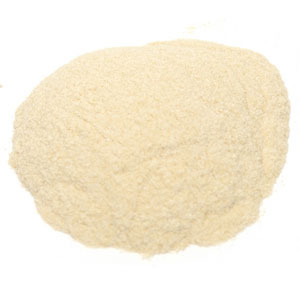
Photo: Wikipedia
Pectin is a plant-based polysaccharide, typically extracted from citrus peels or apples, sold as a dry, odorless powder. In its unsweetened form, it has a neutral taste and a slightly granular texture that dissolves into a smooth, thick gel when heated with liquid and acid. Nutritionally, it is a concentrated source of soluble fiber, with virtually no protein, fat, or sugar.
Calorie split: 0% protein · 99% carbs · 1% fat
↓ Full nutrition💚 Why it's loved
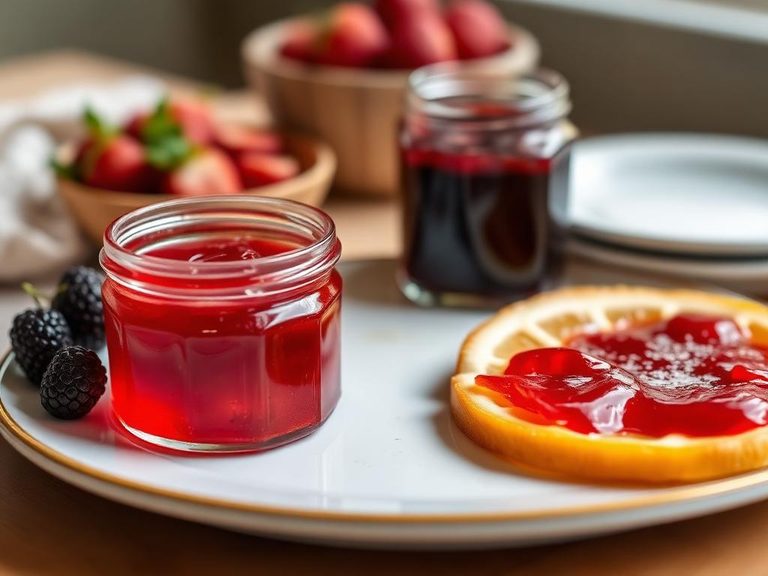
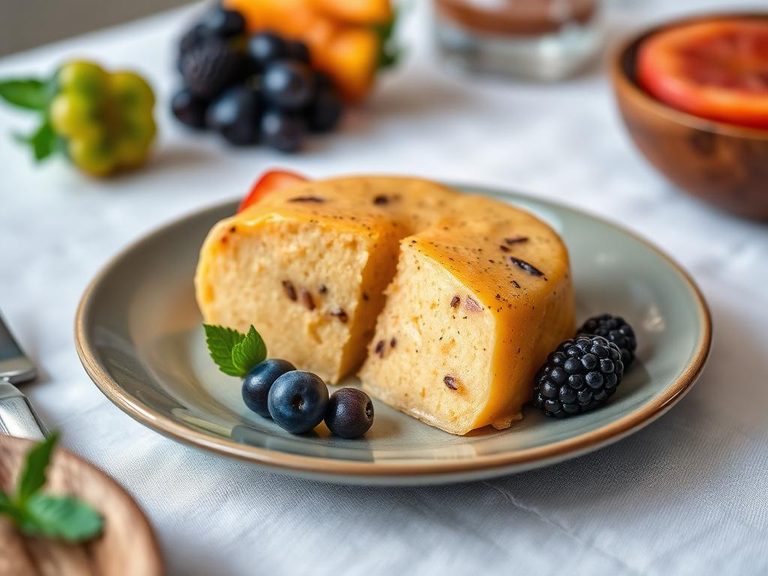
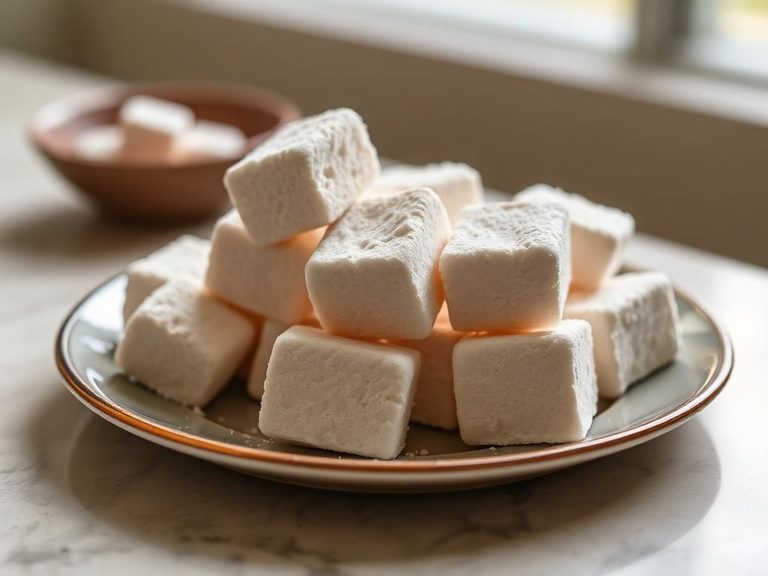
It's the magic ingredient that lets home cooks create perfectly set, glossy jams and fruit butters, especially in reduced-sugar recipes. Its versatility is prized for everything from vegan cheesecakes to molecular gastronomy spherification.
⚠️ Watch-outs & how to enjoy it better
Incorrect ratios can lead to a jam that is either rubbery or fails to set, frustrating beginners. Consuming large amounts of dry powder without sufficient liquid can cause digestive discomfort like bloating; it's best to dissolve it thoroughly in liquid first and increase water intake.
Key benefits
- Excellent source of soluble dietary fiber.
- Acts as a natural gelling agent for jams and jellies.
- Can help thicken sauces and fruit fillings without added starch.
- Used in low-sugar or sugar-free preserving.
- May support digestive health as a prebiotic fiber.
🍽️ Popular dishes
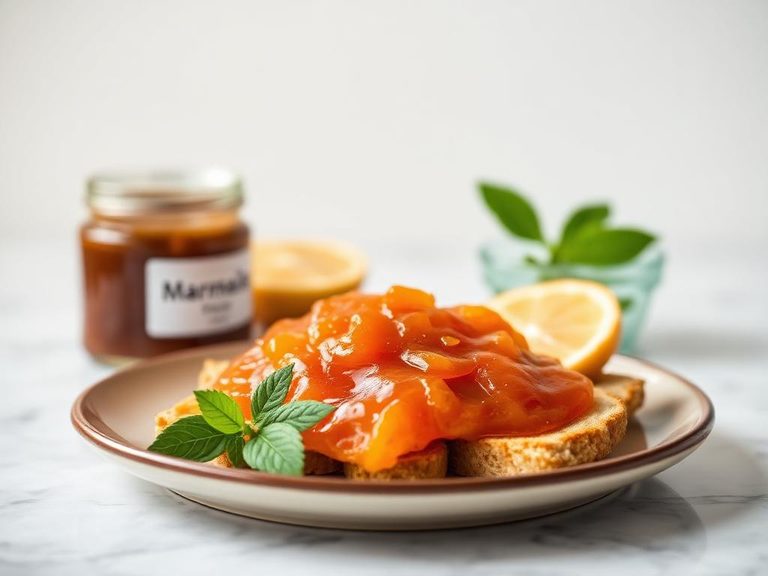

🌍 Where it's eaten
💡 Did you know?
The name 'pectin' comes from the Greek word 'pektos,' meaning 'congealed' or 'curdled,' which perfectly describes its gelling superpower.
Full nutrition (USDA data · scales with serving)
| Water | 8.7 g |
| Energy | 325 kcal |
| Energy | 1360 kj |
| Protein | 0.30 g |
| Total lipid (fat) | 0.30 g |
| Ash | 0.30 g |
| Carbohydrate, by difference | 90.4 g |
| Fiber, total dietary | 8.6 g |
| Calcium, Ca | 7.0 mg |
| Iron, Fe | 2.7 mg |
| Magnesium, Mg | 1.0 mg |
| Phosphorus, P | 2.0 mg |
| Potassium, K | 7.0 mg |
| Sodium, Na | 200 mg |
| Zinc, Zn | 0.47 mg |
| Copper, Cu | 0.42 mg |
| Manganese, Mn | 0.07 mg |
| Selenium, Se | 0.00 ug |
| Vitamin C, total ascorbic acid | 0.00 mg |
| Thiamin | 0.01 mg |
| Riboflavin | 0.06 mg |
| Niacin | 0.01 mg |
| Pantothenic acid | 0.11 mg |
| Vitamin B-6 | 0.01 mg |
| Folate, total | 1.0 ug |
| Folic acid | 0.00 ug |
| Folate, food | 1.0 ug |
| Folate, DFE | 1.0 ug |
| Vitamin B-12 | 0.00 ug |
| Vitamin B-12, added | 0.00 ug |
| Vitamin A, RAE | 0.00 ug |
| Retinol | 0.00 ug |
| Vitamin A, IU | 3.0 iu |
| Alcohol, ethyl | 0.00 g |
Fat & fatty acid profile (per 100g)
| Fatty acids, total saturated | 0.05 g |
| SFA 4:0 | 0.00 g |
| SFA 6:0 | 0.00 g |
| SFA 8:0 | 0.00 g |
| SFA 10:0 | 0.00 g |
| SFA 12:0 | 0.00 g |
| SFA 14:0 | 0.00 g |
| SFA 16:0 | 0.04 g |
| SFA 18:0 | 0.01 g |
| Fatty acids, total monounsaturated | 0.01 g |
| MUFA 16:1 | 0.00 g |
| MUFA 18:1 | 0.01 g |
| MUFA 20:1 | 0.00 g |
| MUFA 22:1 | 0.00 g |
| Fatty acids, total polyunsaturated | 0.09 g |
| PUFA 18:2 | 0.07 g |
| PUFA 18:3 | 0.01 g |
| PUFA 18:4 | 0.00 g |
| PUFA 20:4 | 0.00 g |
| PUFA 20:5 n-3 (EPA) | 0.00 g |
| PUFA 22:5 n-3 (DPA) | 0.00 g |
| PUFA 22:6 n-3 (DHA) | 0.00 g |
| Cholesterol | 0.00 mg |
FAQ
What's the difference between powdered and liquid pectin?
Powdered pectin is usually mixed with sugar and added to fruit at the start of cooking. Liquid pectin is added near the end, after the fruit has been boiled, and requires no sugar for activation. They are not interchangeable in a 1:1 ratio.
Can I use pectin to make sugar-free jam?
Yes, but you must use a specific low-methoxyl (LM) pectin designed for low-sugar conditions, as regular pectin requires sugar to gel properly. LM pectin typically needs calcium to activate.
Why did my jam not set?
Common reasons include not using enough pectin, not boiling the mixture long enough, or having too little acid. Always follow a tested recipe, as the balance of pectin, sugar, and acid is crucial for a good gel.
Nutrient density (calculated · NRF9.3)
Nutrient Rich Foods index: beneficial nutrients (protein, fiber, vitamins, minerals) minus saturated fat, added sugar & sodium, per 100 kcal.
NRF9.3 index — Fulgoni, Keast & Drewnowski, 2009. Computed from USDA nutrients.
Weight-loss friendliness (composite index)
Energy density 3.25 kcal/g · 0% calories from protein · 8.6 g fiber · 0.0 g sugar per 100 g.
Composite of energy density (Rolls et al., 1999), protein & fiber satiety, minus sugar. A calculated heuristic — ranks satiety-per-calorie, not a clinical measure.
Dietary load (calculated from USDA values)
Potential renal acid load. Positive = acid-forming, negative = alkaline-forming.
Sodium-to-potassium ratio: 28.57 (lower is better — aim for ≤ 1)
Sodium:potassium per WHO potassium guidance. Computed from USDA nutrients.