

Fruit jam and jelly
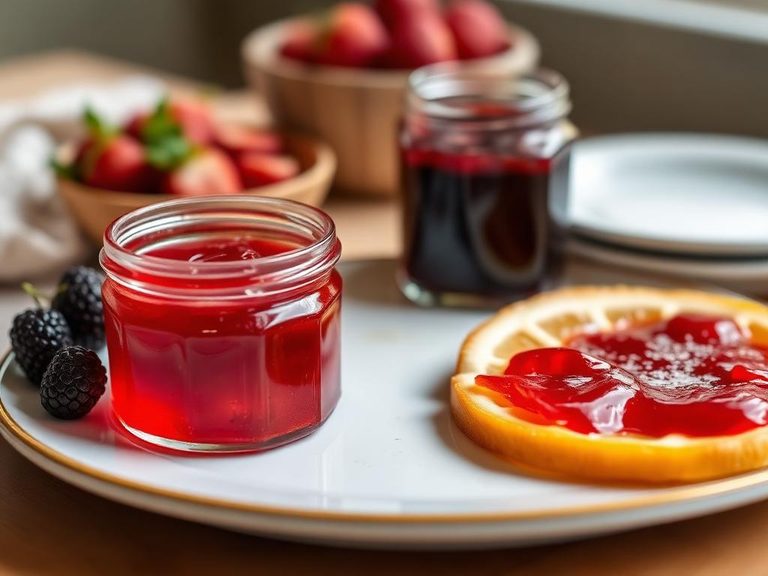
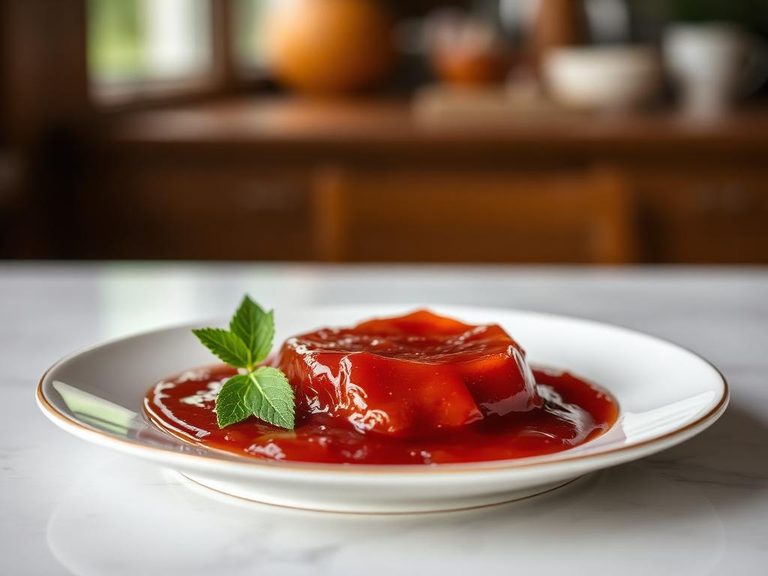
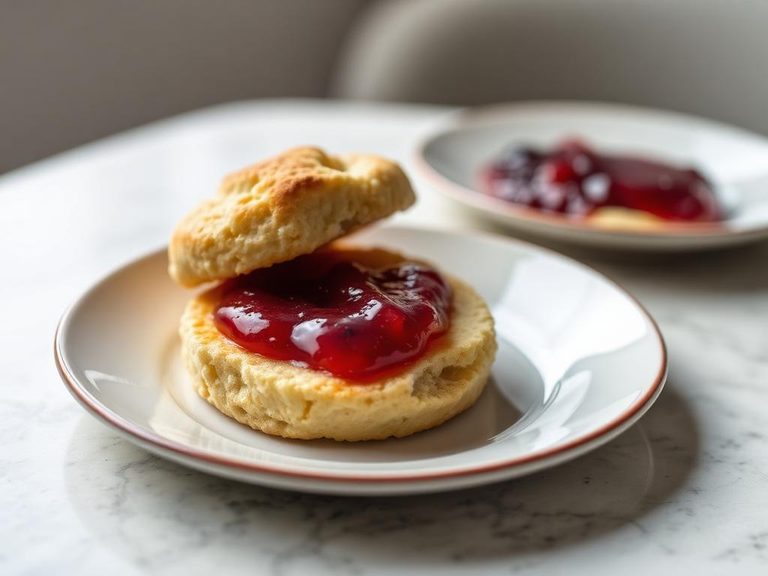
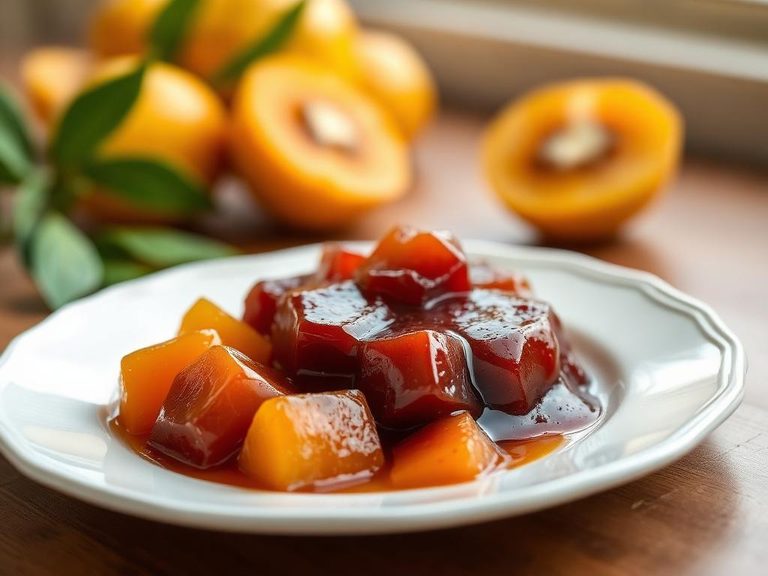
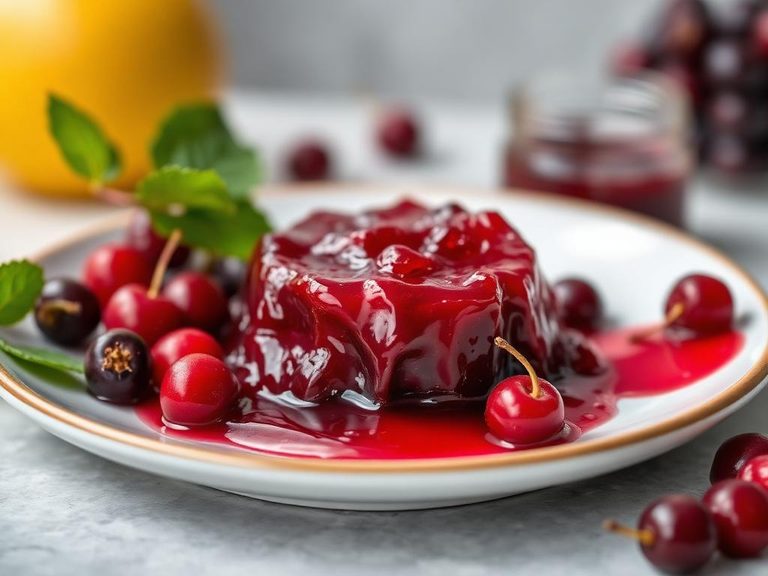
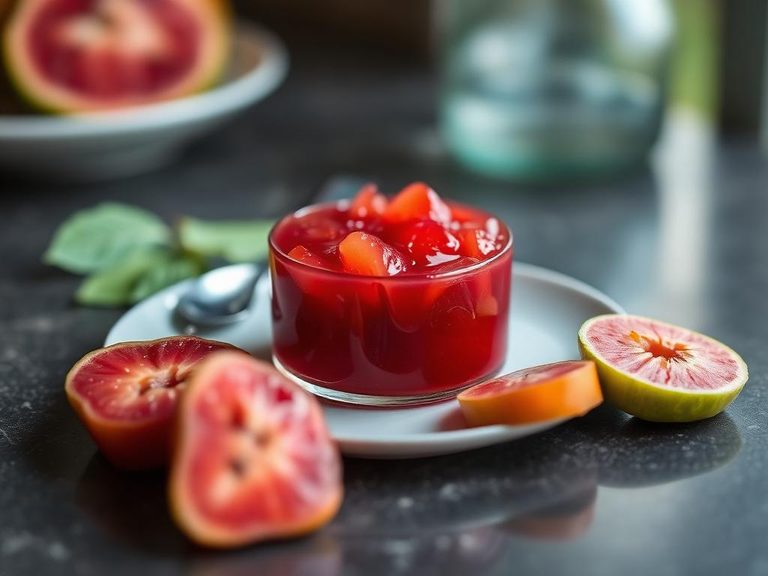
Fruit jam and jelly are sweet, spreadable preserves made from fruit, sugar, and often pectin. Jam is made from crushed or pureed fruit, giving it a textured consistency, while jelly is made from fruit juice, resulting in a clear, firm gel. These preserves are a global pantry staple, with origins in ancient preservation methods and widespread popularity in European and American cuisines.
🍽️ Nutrition at a glance
Fruit jam and jelly are very high in carbohydrates, primarily from simple sugars, and provide minimal fat or protein. They offer small amounts of vitamins like vitamin C and minerals like potassium, with a typical serving containing around 50-60 calories.
Nutrition breakdown
| Calories | 52 kcal |
| Protein | 0.1 g |
| Carbs | 13.8 g |
| Fat | 0 g |
| Fiber | 0.2 g |
| Sugar | 12.9 g |
| Sodium | 6 mg |
| Potassium | 25 mg |
| Vitamin C | 1.5 mg |
| Iron | 0.1 mg |
| Magnesium | 2 mg |
| Manganese | 0.01 mg |
Per 1 tablespoon (20 g) · estimated, varies by recipe
💡 What's interesting
Culturally, jam and jelly represent a traditional method of preserving seasonal fruit for year-round consumption. Nutritionally, they are a quick source of energy but are considered an 'added sugar' food, making them a treat rather than a primary fruit source.
🍽️ Related dishes
AI estimate may be inaccurate · Terms