

Marmalade

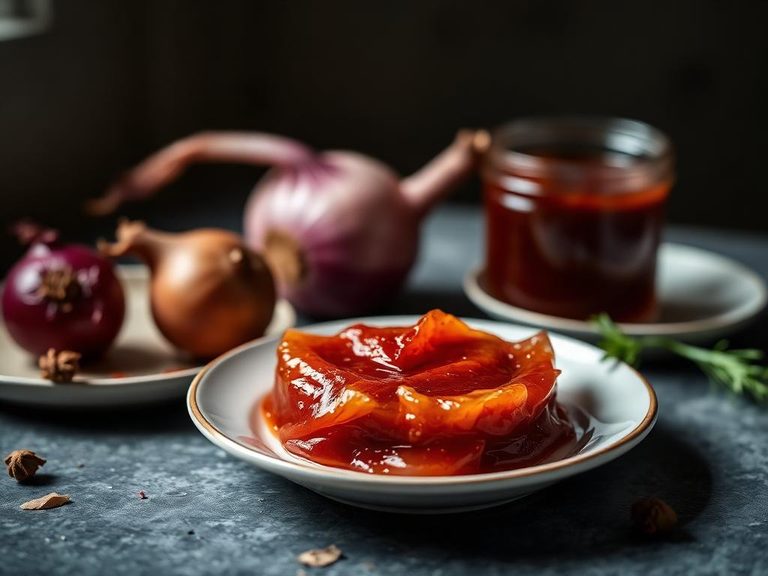
Marmalade is a sweet, citrus-based preserve made by cooking fruit juice and peel with sugar and water until it sets into a spreadable gel. It is most commonly made from Seville oranges, which have a distinct bitter edge that balances the sweetness. Originating in Europe, it is particularly associated with British breakfast traditions.
🍽️ Nutrition at a glance
Marmalade is very high in carbohydrates, almost entirely from sugars, and provides minimal protein or fat. A typical serving offers a quick energy boost and small amounts of vitamin C and potassium, with a calorie count around 50-60 kcal per tablespoon.
Nutrition breakdown
| Calories | 50 kcal |
| Protein | 0.1 g |
| Carbs | 13 g |
| Fat | 0 g |
| Fiber | 0.3 g |
| Sugar | 12 g |
| Sodium | 5 mg |
| Vitamin C | 3 mg |
| Potassium | 25 mg |
| Calcium | 5 mg |
| Iron | 0.1 mg |
Per 1 tablespoon (20 g) · estimated, varies by recipe
💡 What's interesting
What makes marmalade unique is the inclusion of the citrus peel, which provides dietary fiber and a characteristic bitter flavor that distinguishes it from other fruit jams. Its historical use as a preserve made it a valuable source of vitamin C in past centuries.
🍽️ Related dishes







AI estimate may be inaccurate · Terms