

Citrus Marmalade
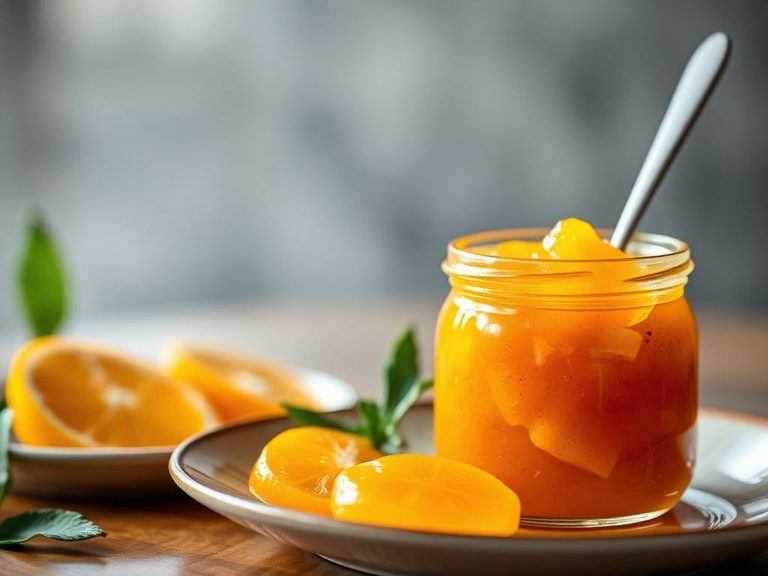
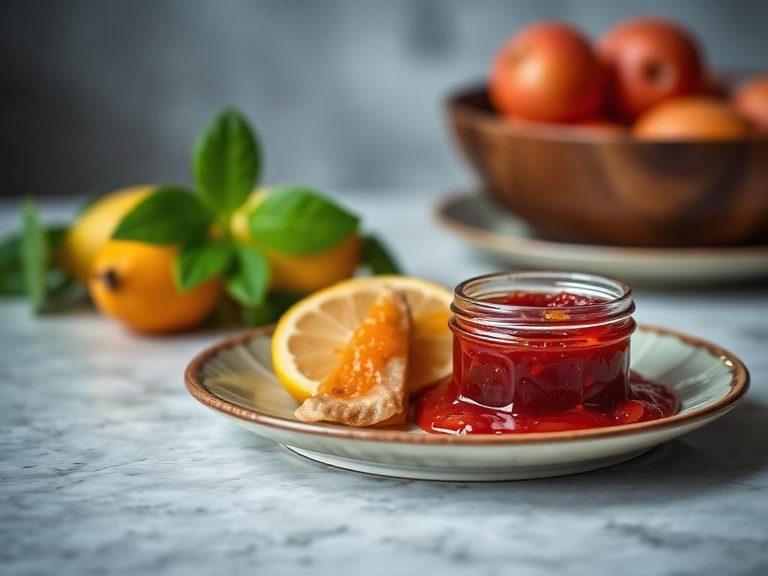
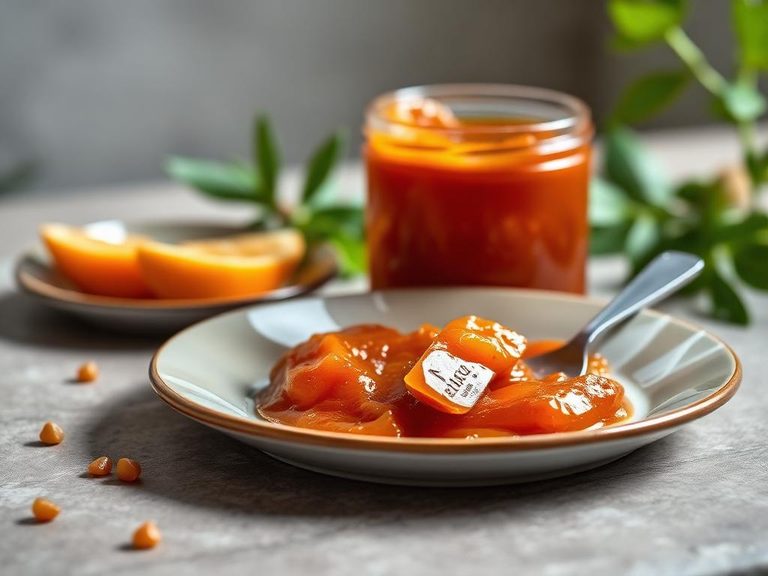
Citrus marmalade is a sweet, tangy preserve made by cooking citrus fruit (like oranges, lemons, or grapefruit) with sugar and water, using the fruit's natural pectin to create a spreadable gel with suspended peel. It's a classic British condiment, though variations exist worldwide.
🍳 View the full Citrus Marmalade recipe →
🍽️ Nutrition at a glance
It is very high in carbohydrates, primarily from sugar, with negligible fat or protein. A typical serving (about 1 tablespoon) provides quick energy from simple sugars and some vitamin C from the citrus, with a calorie count around 50-60 kcal.
Nutrition breakdown
| Calories | 50 kcal |
| Protein | 0.1 g |
| Carbs | 13 g |
| Fat | 0 g |
| Fiber | 0.3 g |
| Sugar | 12 g |
| Sodium | 10 mg |
| Potassium | 20 mg |
| Vitamin C | 3 mg |
| Calcium | 5 mg |
| Iron | 0.1 mg |
| Vitamin A | 2 IU |
| Magnesium | 2 mg |
| Phosphorus | 3 mg |
| Copper | 0.01 mg |
Per 1 tablespoon (20 g) · estimated, varies by recipe
💡 What's interesting
Culturally, marmalade is iconic in British cuisine, famously the preferred breakfast spread of Paddington Bear. Nutritionally, the high sugar content acts as a preservative, allowing it to be stored for long periods, while the peel adds dietary fiber.
🍽️ Related dishes


AI estimate may be inaccurate · Terms