

Pasta, fresh-refrigerated, spinach, as purchased
Whole food · Cereal Grains and Pasta
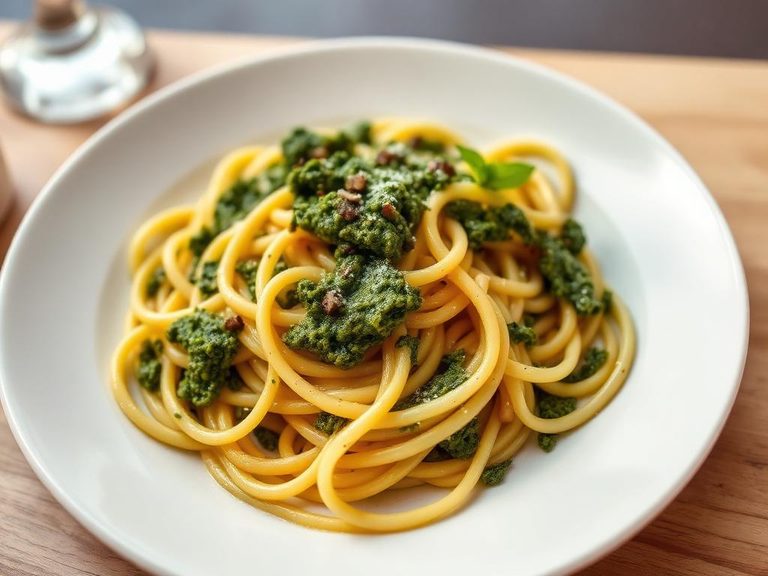
Fresh-refrigerated spinach pasta is a vibrant, emerald-hued noodle made by incorporating puréed spinach into the dough, lending it a subtle, earthy sweetness and a tender, slightly al dente bite when cooked. Its striking color makes it a visual centerpiece, while its nutrition profile is notably high in protein and carbohydrates, providing substantial energy with minimal fat. This pasta is a staple in Italian cuisine, prized for its ability to elevate simple sauces with both color and a mild vegetal note.
Calorie split: 16% protein · 78% carbs · 7% fat
↓ Full nutrition💚 Why it's loved
People love it for its beautiful, natural green color that makes any dish visually appealing and its mild, versatile flavor that pairs well with everything from light olive oil and garlic to rich, creamy Alfredo sauces. It's a beloved staple in Italian home cooking, offering a simple way to incorporate a serving of greens into a comforting, familiar format.
⚠️ Watch-outs & how to enjoy it better
The primary caution is its high carbohydrate content, which can cause blood sugar spikes if consumed in large portions without balancing nutrients. It also contains gluten, a common allergen. To counteract this, pair it with a source of protein (like chicken, beans, or cheese) and healthy fats (like olive oil or avocado) to slow digestion, and practice portion control by filling half your plate with non-starchy vegetables first.
Key benefits
- High in plant-based protein for muscle maintenance
- Excellent source of complex carbohydrates for sustained energy
- Contains spinach-derived micronutrients like iron and vitamin K
- Low in fat and contains no added sugar
- Provides a more nutrient-dense alternative to plain pasta
🍽️ Popular dishes
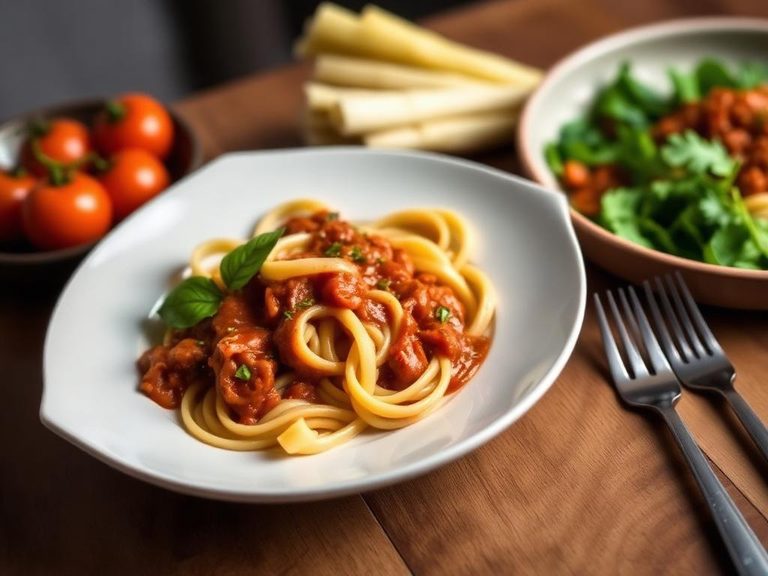
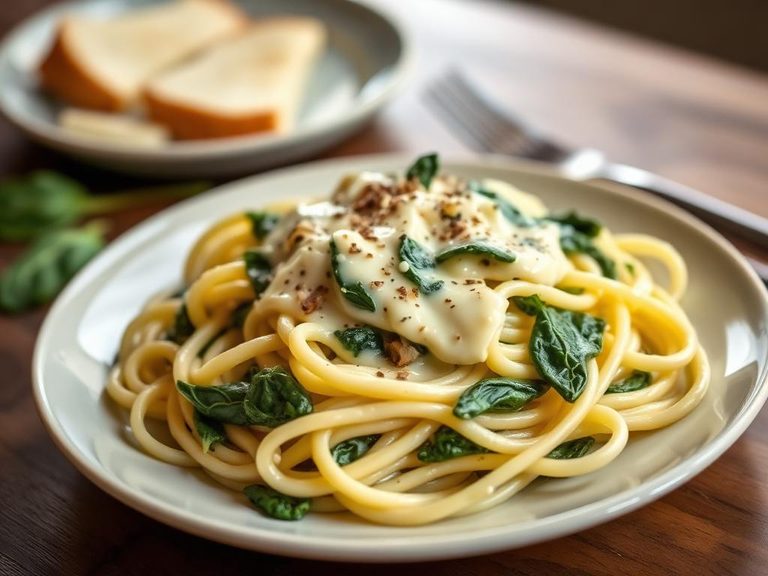
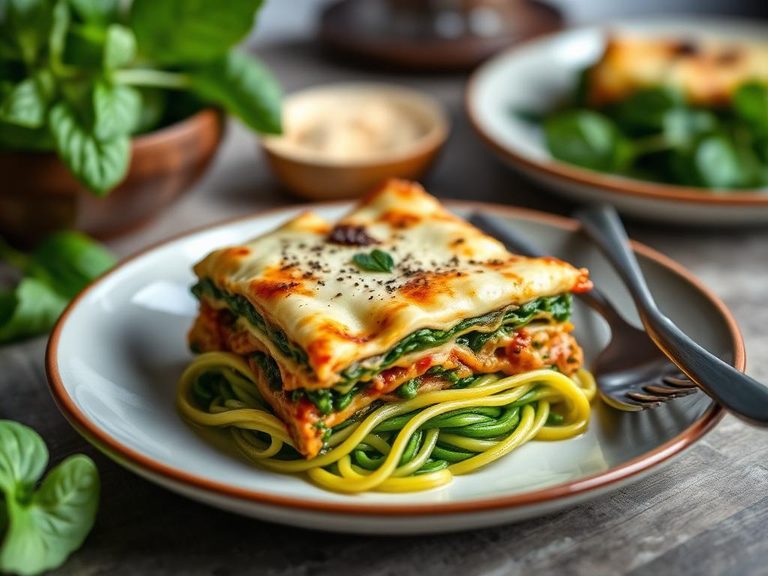
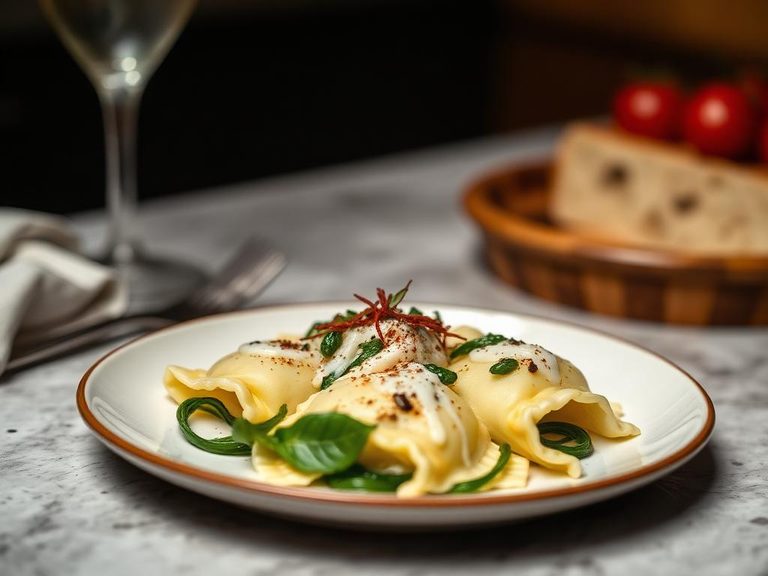
🌍 Where it's eaten
💡 Did you know?
The spinach in the dough is often blanched and puréed, which not only adds color but also slightly alters the gluten structure, often resulting in a more tender, delicate texture compared to standard egg pasta.
Full nutrition (USDA data · scales with serving)
| Water | 30.1 g |
| Energy | 289 kcal |
| Energy | 1209 kj |
| Protein | 11.3 g |
| Total lipid (fat) | 2.1 g |
| Ash | 0.82 g |
| Carbohydrate, by difference | 55.7 g |
| Calcium, Ca | 43.0 mg |
| Iron, Fe | 3.3 mg |
| Magnesium, Mg | 63.0 mg |
| Phosphorus, P | 148 mg |
| Potassium, K | 272 mg |
| Sodium, Na | 27.0 mg |
| Zinc, Zn | 1.4 mg |
| Copper, Cu | 0.20 mg |
| Manganese, Mn | 0.78 mg |
| Vitamin C, total ascorbic acid | 0.00 mg |
| Thiamin | 0.61 mg |
| Riboflavin | 0.40 mg |
| Niacin | 3.5 mg |
| Pantothenic acid | 0.69 mg |
| Vitamin B-6 | 0.32 mg |
| Folate, total | 177 ug |
| Folic acid | 121 ug |
| Folate, food | 56.0 ug |
| Folate, DFE | 262 ug |
| Vitamin B-12 | 0.31 ug |
| Vitamin A, RAE | 25.0 ug |
| Retinol | 15.0 ug |
| Vitamin A, IU | 241 iu |
Fat & fatty acid profile (per 100g)
| Fatty acids, total saturated | 0.48 g |
| SFA 14:0 | 0.01 g |
| SFA 16:0 | 0.39 g |
| SFA 18:0 | 0.09 g |
| Fatty acids, total monounsaturated | 0.66 g |
| MUFA 16:1 | 0.06 g |
| MUFA 18:1 | 0.59 g |
| MUFA 20:1 | 0.00 g |
| Fatty acids, total polyunsaturated | 0.47 g |
| PUFA 18:2 | 0.40 g |
| PUFA 18:3 | 0.06 g |
| Cholesterol | 73.0 mg |
Amino acid profile (per 100g)
| Tryptophan | 0.15 g |
| Threonine | 0.35 g |
| Isoleucine | 0.49 g |
| Leucine | 0.81 g |
| Lysine | 0.34 g |
| Methionine | 0.21 g |
| Cystine | 0.30 g |
| Phenylalanine | 0.56 g |
| Tyrosine | 0.33 g |
| Valine | 0.54 g |
| Arginine | 0.48 g |
| Histidine | 0.24 g |
| Alanine | 0.40 g |
| Aspartic acid | 0.60 g |
| Glutamic acid | 3.4 g |
| Glycine | 0.37 g |
| Proline | 1.1 g |
| Serine | 0.58 g |
FAQ
Does fresh spinach pasta taste strongly of spinach?
No, the flavor is very mild and earthy, more of a subtle background note than a dominant spinach taste. It's primarily for color and nutritional boost.
How is it different from regular fresh pasta?
It contains puréed spinach in the dough, giving it a green color, a slightly different texture, and marginally higher micronutrient content like iron and vitamin K from the spinach.
What's the best way to cook it?
Cook in a large pot of well-salted, boiling water for just 2-4 minutes, as fresh pasta cooks much faster than dried. Taste it frequently to avoid overcooking and losing its tender bite.
Nutrient density (calculated · NRF9.3)
Nutrient Rich Foods index: beneficial nutrients (protein, fiber, vitamins, minerals) minus saturated fat, added sugar & sodium, per 100 kcal.
NRF9.3 index — Fulgoni, Keast & Drewnowski, 2009. Computed from USDA nutrients.
Weight-loss friendliness (composite index)
Energy density 2.89 kcal/g · 16% calories from protein · 0.0 g fiber · 0.0 g sugar per 100 g.
Composite of energy density (Rolls et al., 1999), protein & fiber satiety, minus sugar. A calculated heuristic — ranks satiety-per-calorie, not a clinical measure.
Dietary load (calculated from USDA values)
Potential renal acid load. Positive = acid-forming, negative = alkaline-forming.
Sodium-to-potassium ratio: 0.10 (lower is better — aim for ≤ 1)
Sodium:potassium per WHO potassium guidance. Computed from USDA nutrients.