

Pasta, fresh-refrigerated, plain, cooked
Whole food · Cereal Grains and Pasta

Photo: Wikipedia
This is pasta made from fresh, soft dough (typically wheat flour and eggs) that has been cooked. It has a tender, slightly chewy texture and a mild, wheaty flavor that acts as a perfect canvas for sauces. Nutritionally, it's a moderate source of energy and protein, with very little fat.
Calorie split: 16% protein · 77% carbs · 7% fat
↓ Full nutrition💚 Why it's loved
People love it for its superior texture—tender yet with a satisfying bite—and its ability to perfectly carry and absorb flavors from simple butter to complex ragùs. It's a beloved staple that feels both comforting and elegant.
⚠️ Watch-outs & how to enjoy it better
As a refined carbohydrate, it can cause rapid blood sugar spikes, especially when eaten alone. It also contains gluten, a common allergen. To counteract this, pair it with protein (like cheese or meat) and fiber (like vegetables or a side salad) to slow digestion and stabilize blood sugar.
Key benefits
- Provides quick, accessible energy from carbohydrates.
- Contains a moderate amount of plant-based protein.
- Low in fat, making it a light base for rich sauces.
- Cooking fresh pasta is very fast, often in just 2-4 minutes.
- Its neutral flavor pairs with virtually any sauce or ingredient.
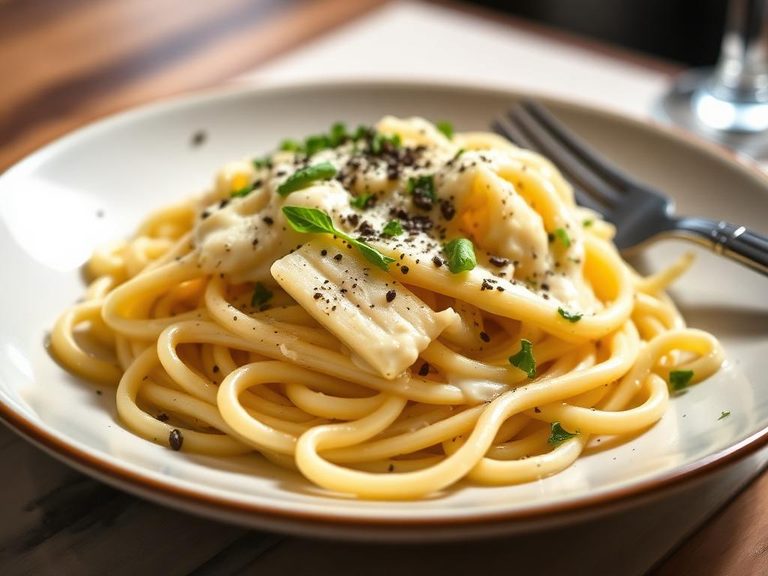
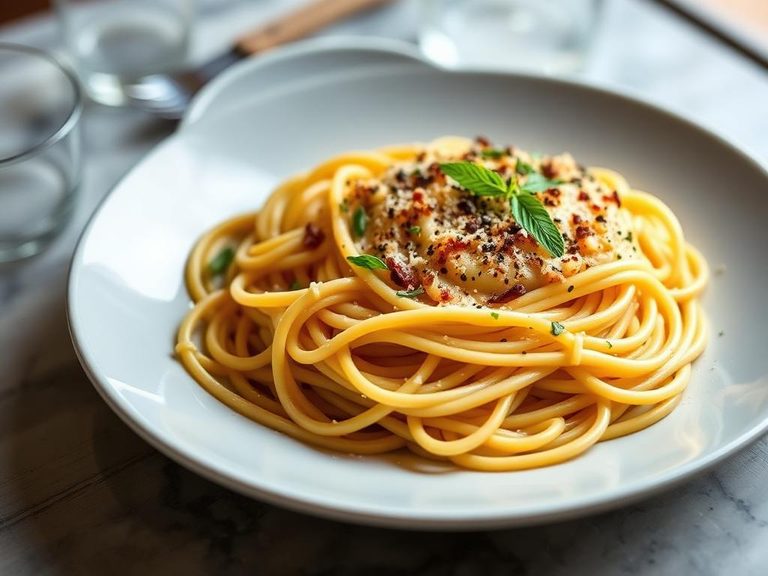
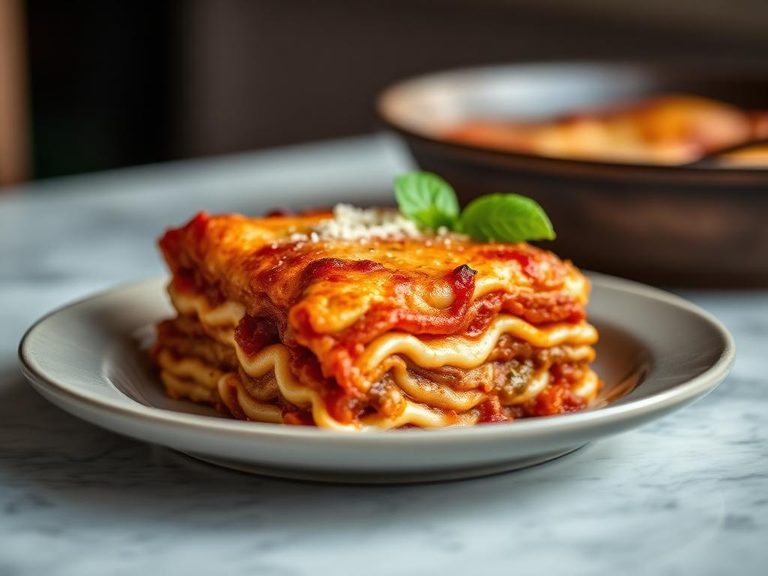
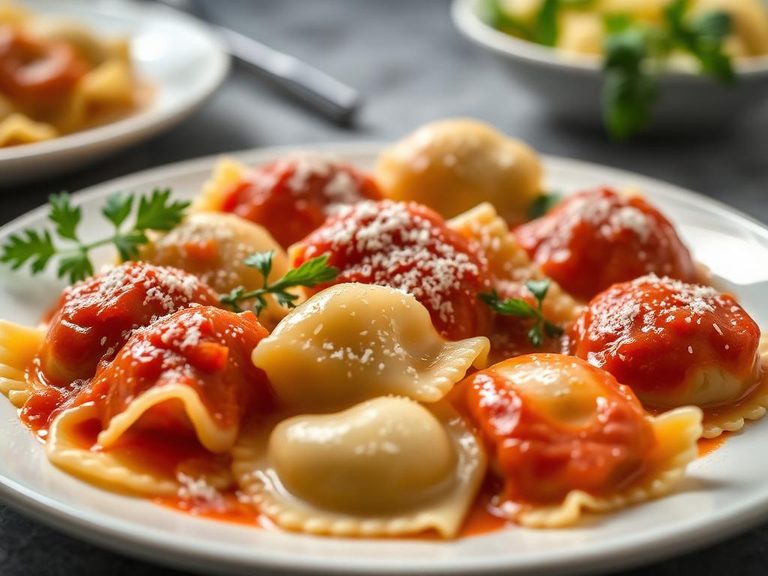
🍽️ Popular dishes
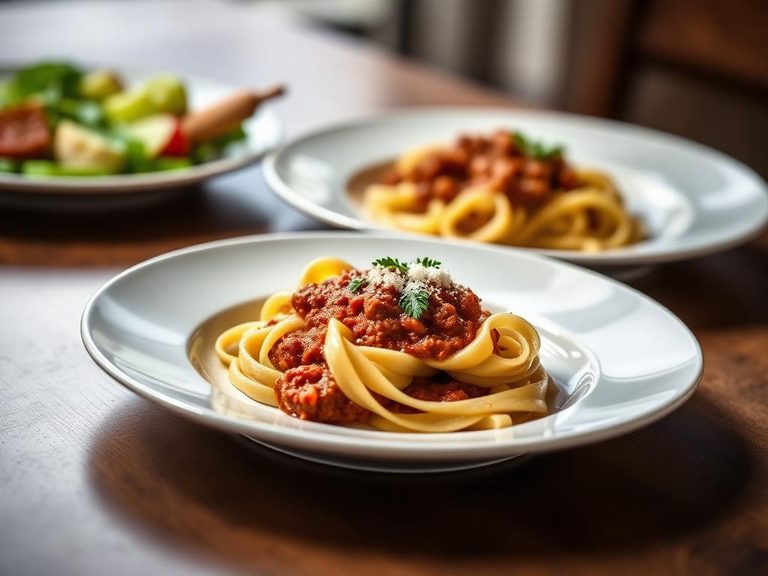
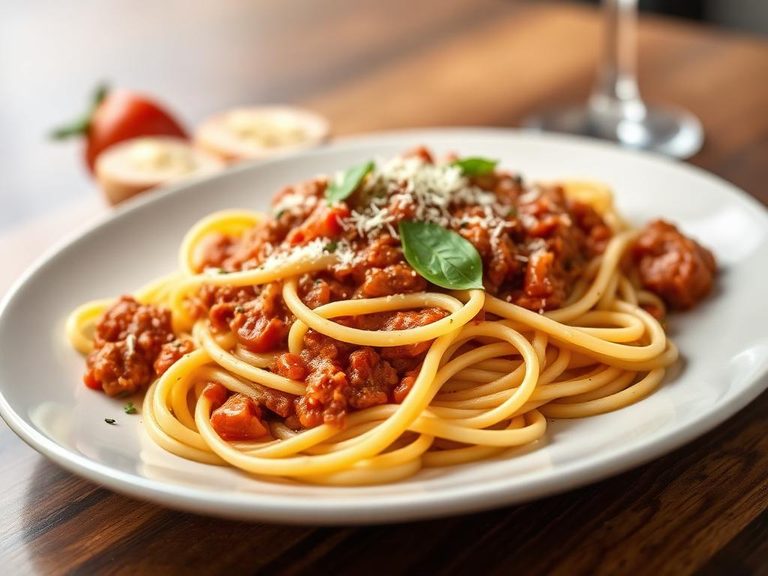
🌍 Where it's eaten
💡 Did you know?
The word 'pasta' comes from the Italian word for 'paste,' referring to the dough made from flour and water (or eggs).
Full nutrition (USDA data · scales with serving)
| Water | 68.6 g |
| Energy | 131 kcal |
| Energy | 548 kj |
| Protein | 5.2 g |
| Total lipid (fat) | 1.1 g |
| Ash | 0.30 g |
| Carbohydrate, by difference | 24.9 g |
| Calcium, Ca | 6.0 mg |
| Iron, Fe | 1.1 mg |
| Magnesium, Mg | 18.0 mg |
| Phosphorus, P | 63.0 mg |
| Potassium, K | 24.0 mg |
| Sodium, Na | 6.0 mg |
| Zinc, Zn | 0.56 mg |
| Copper, Cu | 0.09 mg |
| Manganese, Mn | 0.22 mg |
| Vitamin C, total ascorbic acid | 0.00 mg |
| Thiamin | 0.21 mg |
| Riboflavin | 0.15 mg |
| Niacin | 0.99 mg |
| Pantothenic acid | 0.18 mg |
| Vitamin B-6 | 0.03 mg |
| Folate, total | 64.0 ug |
| Folic acid | 57.0 ug |
| Folate, food | 7.0 ug |
| Folate, DFE | 104 ug |
| Vitamin B-12 | 0.14 ug |
| Vitamin A, RAE | 6.0 ug |
| Retinol | 6.0 ug |
| Vitamin A, IU | 20.0 iu |
Fat & fatty acid profile (per 100g)
| Fatty acids, total saturated | 0.15 g |
| SFA 14:0 | 0.00 g |
| SFA 16:0 | 0.13 g |
| SFA 18:0 | 0.02 g |
| Fatty acids, total monounsaturated | 0.12 g |
| MUFA 18:1 | 0.12 g |
| Fatty acids, total polyunsaturated | 0.43 g |
| PUFA 18:2 | 0.39 g |
| PUFA 18:3 | 0.04 g |
| Cholesterol | 33.0 mg |
Amino acid profile (per 100g)
| Tryptophan | 0.07 g |
| Threonine | 0.13 g |
| Isoleucine | 0.20 g |
| Leucine | 0.35 g |
| Lysine | 0.10 g |
| Methionine | 0.08 g |
| Cystine | 0.14 g |
| Phenylalanine | 0.25 g |
| Tyrosine | 0.13 g |
| Valine | 0.22 g |
| Arginine | 0.19 g |
| Histidine | 0.10 g |
| Alanine | 0.15 g |
| Aspartic acid | 0.21 g |
| Glutamic acid | 1.8 g |
| Glycine | 0.16 g |
| Proline | 0.56 g |
| Serine | 0.24 g |
FAQ
What's the difference between fresh and dried pasta?
Fresh pasta uses eggs and has a softer, more delicate texture and richer flavor. Dried pasta (pasta secca) is made from semolina flour and water, has a firmer bite, and is better for holding up to hearty sauces.
How long does fresh pasta take to cook?
Very quickly! It typically cooks in 2 to 4 minutes in boiling water. It's done when it floats to the surface and is tender but still has a slight chew.
Is fresh pasta healthier than dried?
They have similar calorie and carb counts. Fresh pasta is often higher in protein and fat due to eggs, while dried pasta may have a slightly lower glycemic index. The 'healthier' choice depends on the sauce and portion size.
Nutrient density (calculated · NRF9.3)
Nutrient Rich Foods index: beneficial nutrients (protein, fiber, vitamins, minerals) minus saturated fat, added sugar & sodium, per 100 kcal.
NRF9.3 index — Fulgoni, Keast & Drewnowski, 2009. Computed from USDA nutrients.
Weight-loss friendliness (composite index)
Energy density 1.31 kcal/g · 16% calories from protein · 0.0 g fiber · 0.0 g sugar per 100 g.
Composite of energy density (Rolls et al., 1999), protein & fiber satiety, minus sugar. A calculated heuristic — ranks satiety-per-calorie, not a clinical measure.
Dietary load (calculated from USDA values)
Potential renal acid load. Positive = acid-forming, negative = alkaline-forming.
Sodium-to-potassium ratio: 0.25 (lower is better — aim for ≤ 1)
Sodium:potassium per WHO potassium guidance. Computed from USDA nutrients.