

Pasta, dry, whole grain, spaghetti
Whole food · Cereal Grains and Pasta
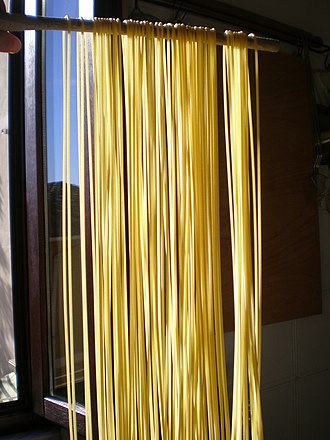
Photo: Wikipedia
Whole grain spaghetti is a hearty, nutty-flavored pasta made from the entire wheat kernel, offering a chewier texture and more complex flavor than its refined counterpart. Its deep, earthy taste pairs beautifully with robust sauces, and its higher fiber content provides a more satisfying, sustained energy release.
💚 Why it's loved
People love it for its robust, nutty flavor that stands up to hearty sauces and its satisfying, al dente texture. It's a versatile pantry staple that forms the base of countless comforting, classic dishes across many cultures.
⚠️ Watch-outs & how to enjoy it better
Some find its texture denser and less delicate than white pasta, and its stronger flavor can be an acquired taste. Those with gluten sensitivity or celiac disease must avoid it; to mitigate blood sugar impact, pair it with protein (like beans or lean meat) and healthy fats (like olive oil or nuts).
Key benefits
- High in dietary fiber for digestive health and satiety
- Rich in B vitamins and minerals like magnesium and iron
- Lower glycemic index than refined pasta, aiding blood sugar management
- Provides complex carbohydrates for sustained energy
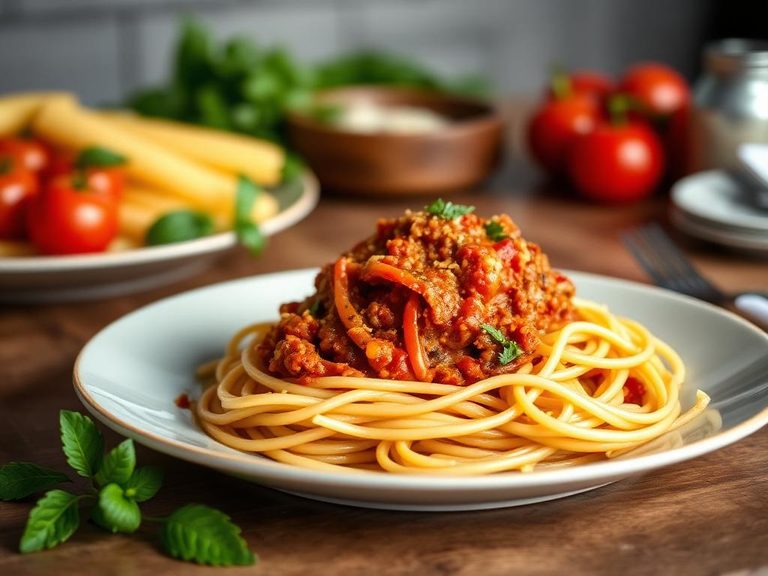
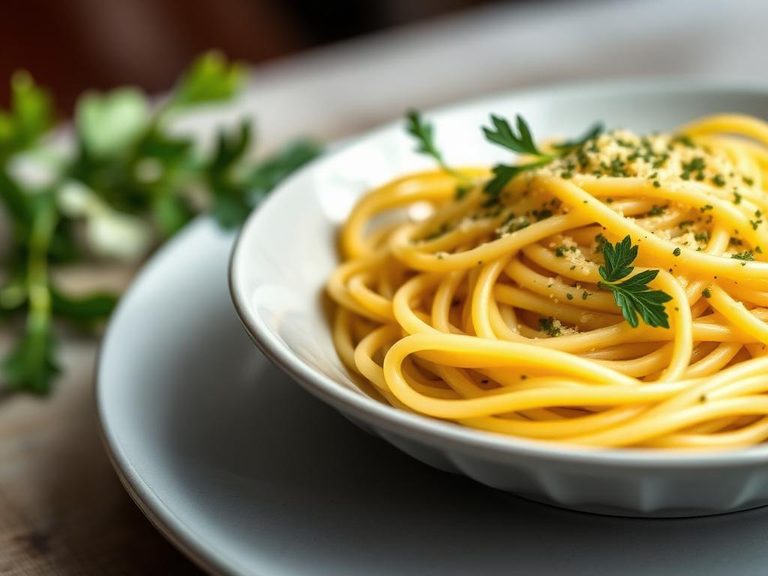
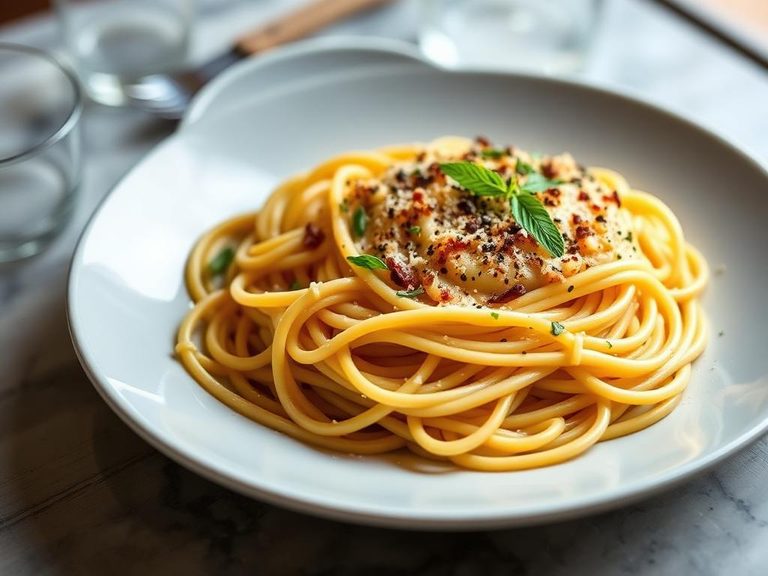
🍽️ Popular dishes
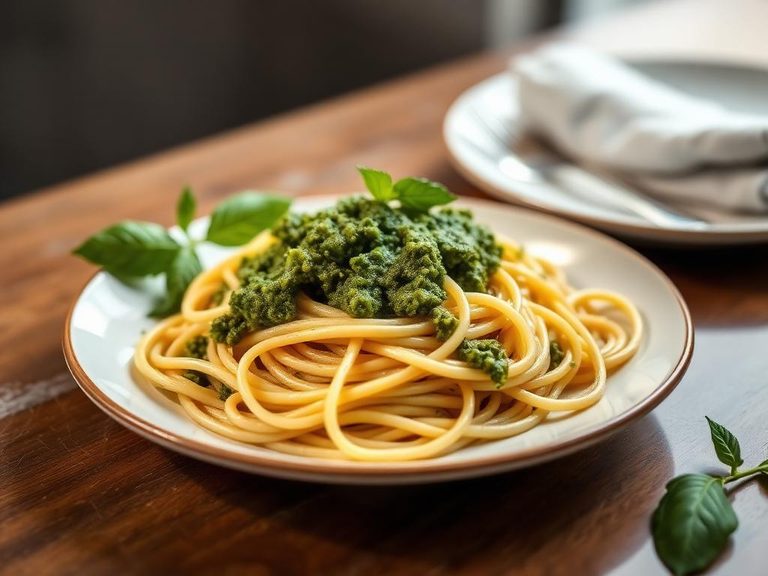
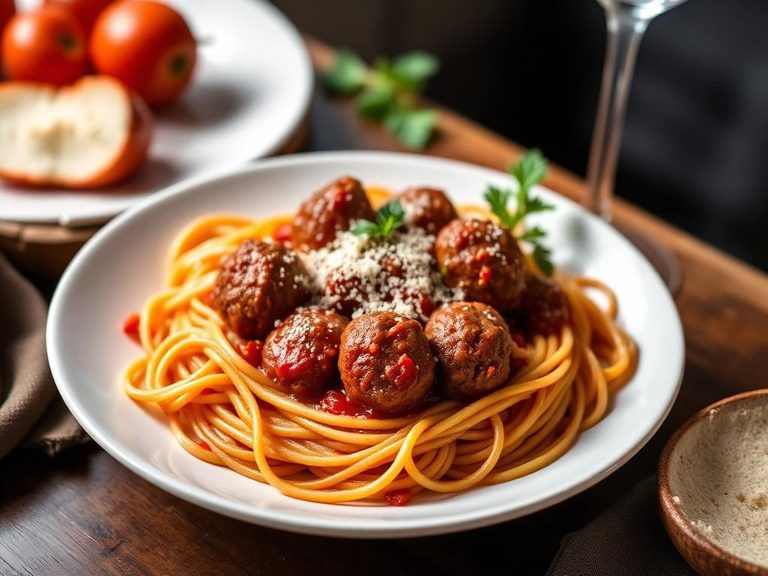
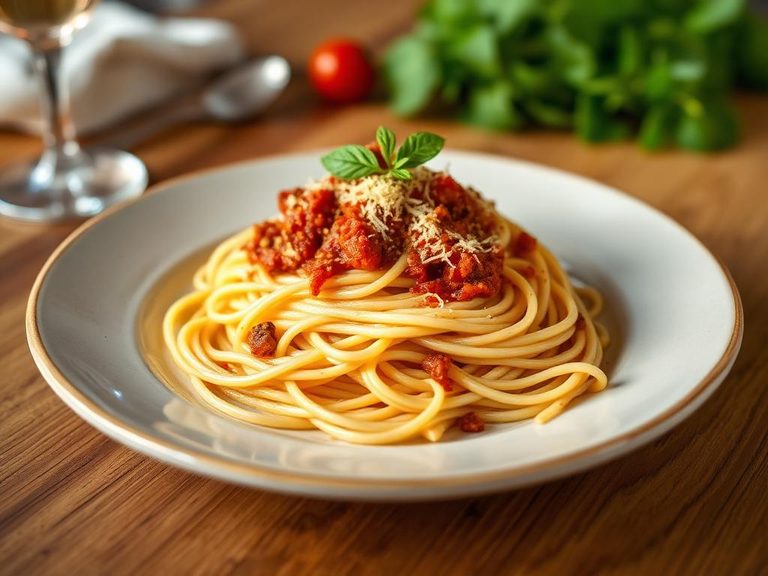
🌍 Where it's eaten
💡 Did you know?
The word 'spaghetti' is the plural of the Italian word 'spaghetto', which means 'little string' or 'thin rope'.
Full nutrition (USDA data · scales with serving)
| Water | 7.6 g |
| Ash | 1.7 g |
| Calcium, Ca | 28.3 mg |
| Iron, Fe | 4.5 mg |
| Magnesium, Mg | 120 mg |
| Phosphorus, P | 353 mg |
| Potassium, K | 427 mg |
| Sodium, Na | 4.6 mg |
| Zinc, Zn | 3.0 mg |
| Copper, Cu | 0.46 mg |
| Manganese, Mn | 2.7 mg |
| Thiamin | 0.60 mg |
| Riboflavin | 0.29 mg |
| Niacin | 12.6 mg |
| Biotin | 6.7 ug |
| Folate, total | 124 ug |
Fat & fatty acid profile (per 100g)
Estimated from Pasta, gluten-free, corn, dry — USDA does not publish this profile for Pasta.
| Fatty acids, total saturated | 0.29 g |
| SFA 4:0 | 0.00 g |
| SFA 6:0 | 0.00 g |
| SFA 8:0 | 0.00 g |
| SFA 10:0 | 0.00 g |
| SFA 12:0 | 0.00 g |
| SFA 14:0 | 0.00 g |
| SFA 16:0 | 0.25 g |
| SFA 18:0 | 0.03 g |
| Fatty acids, total monounsaturated | 0.54 g |
| MUFA 16:1 | 0.00 g |
| MUFA 18:1 | 0.54 g |
| MUFA 20:1 | 0.00 g |
| MUFA 22:1 | 0.00 g |
| Fatty acids, total polyunsaturated | 0.92 g |
| PUFA 18:2 | 0.90 g |
| PUFA 18:3 | 0.03 g |
| PUFA 18:4 | 0.00 g |
| PUFA 20:4 | 0.00 g |
| PUFA 20:5 n-3 (EPA) | 0.00 g |
| PUFA 22:5 n-3 (DPA) | 0.00 g |
| PUFA 22:6 n-3 (DHA) | 0.00 g |
| Cholesterol | 0.00 mg |
Amino acid profile (per 100g)
Estimated from Pasta, gluten-free, corn, dry — USDA does not publish this profile for Pasta.
| Tryptophan | 0.05 g |
| Threonine | 0.28 g |
| Isoleucine | 0.27 g |
| Leucine | 0.92 g |
| Lysine | 0.21 g |
| Methionine | 0.16 g |
| Cystine | 0.13 g |
| Phenylalanine | 0.37 g |
| Tyrosine | 0.30 g |
| Valine | 0.38 g |
| Arginine | 0.37 g |
| Histidine | 0.23 g |
| Alanine | 0.56 g |
| Aspartic acid | 0.52 g |
| Glutamic acid | 1.4 g |
| Glycine | 0.31 g |
| Proline | 0.65 g |
| Serine | 0.35 g |
FAQ
How does whole grain spaghetti differ from regular spaghetti?
Whole grain spaghetti is made from flour that includes the entire wheat kernel (bran, germ, and endosperm), giving it more fiber, vitamins, and minerals, a nuttier flavor, and a denser texture compared to refined white spaghetti.
Is whole grain spaghetti gluten-free?
No, traditional whole grain spaghetti is made from wheat and contains gluten. For a gluten-free alternative, look for pasta made from rice, corn, quinoa, or legumes.
How can I make whole grain spaghetti taste better if I'm not used to it?
Try cooking it al dente to maintain a pleasant chew, and toss it with flavorful sauces, quality olive oil, garlic, herbs, and grated Parmesan cheese. The nutty flavor pairs well with robust ingredients like mushrooms, sausage, or roasted vegetables.
Dietary load (calculated from USDA values)
Sodium-to-potassium ratio: 0.01 (lower is better — aim for ≤ 1)
Sodium:potassium per WHO potassium guidance. Computed from USDA nutrients.