

Pasta, dry, enriched, spaghetti
Whole food · Cereal Grains and Pasta
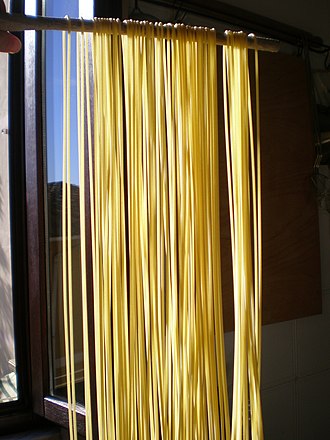
Photo: Wikipedia
Dry, enriched spaghetti is a classic cylindrical pasta made from durum wheat semolina, prized for its firm, al dente bite and neutral, slightly nutty flavor that acts as a perfect canvas for sauces. The enrichment process adds back B vitamins and iron lost during milling, making it a more nutrient-dense staple than plain white flour pasta. When cooked, it transforms from brittle, golden strands into tender, springy noodles that cling beautifully to everything from simple olive oil to rich meat ragùs.
💚 Why it's loved
People love spaghetti for its comforting, satisfying texture and its incredible versatility—it can be dressed up with a simple garlic and oil or transformed into a hearty, family-style meal. It's deeply embedded in global food culture, from Italian Sunday dinners to American childhood favorites, making it a nostalgic and universally accessible food.
⚠️ Watch-outs & how to enjoy it better
As a refined carbohydrate, it can cause a rapid blood sugar spike, which is a concern for those managing diabetes or insulin resistance. To counteract this, pair it with protein (like lean meat or beans) and healthy fats (like olive oil or avocado) to slow digestion, and consider portion control by sticking to a 1-cup cooked serving. It is also a common wheat allergen, and the enrichment process adds small amounts of sodium, though not typically in problematic amounts for most people.
Key benefits
- Enriched with iron and B vitamins (thiamin, riboflavin, niacin, folic acid)
- Provides a quick, sustained energy source from complex carbohydrates
- Naturally low in fat and cholesterol
- Highly versatile base for countless sauces and dishes
- Long shelf life makes it a reliable pantry staple
🍽️ Popular dishes
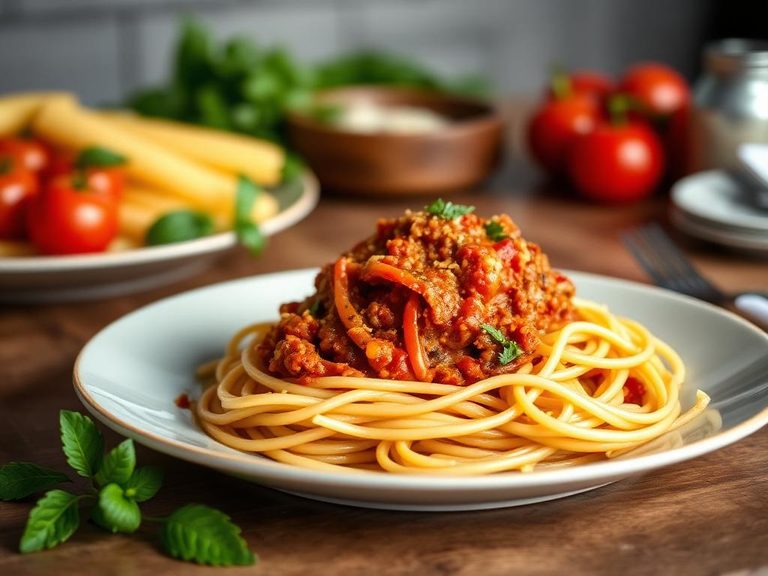
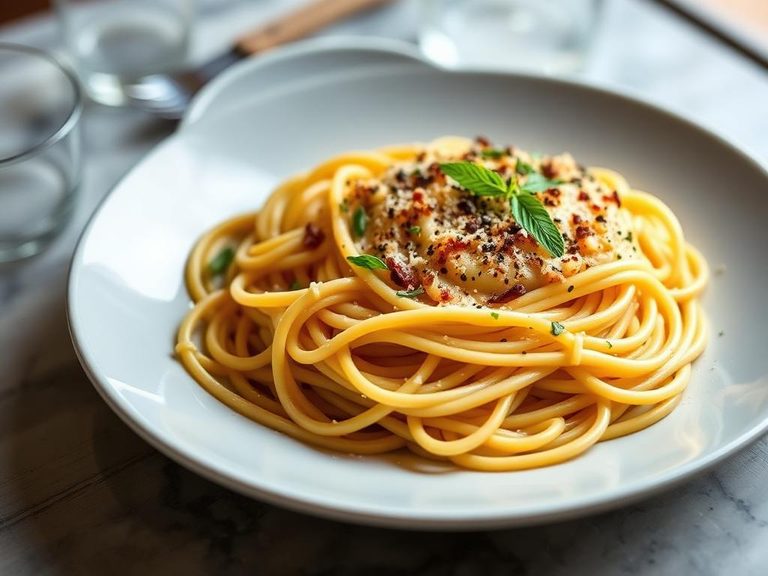
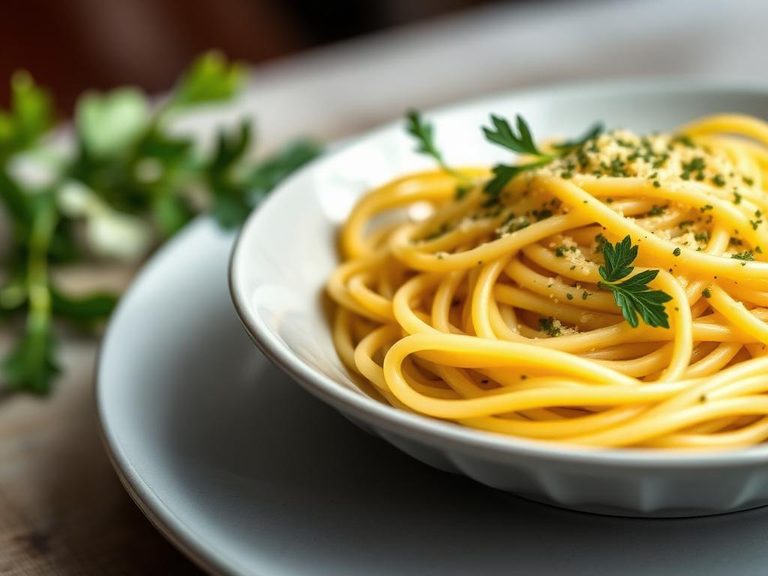
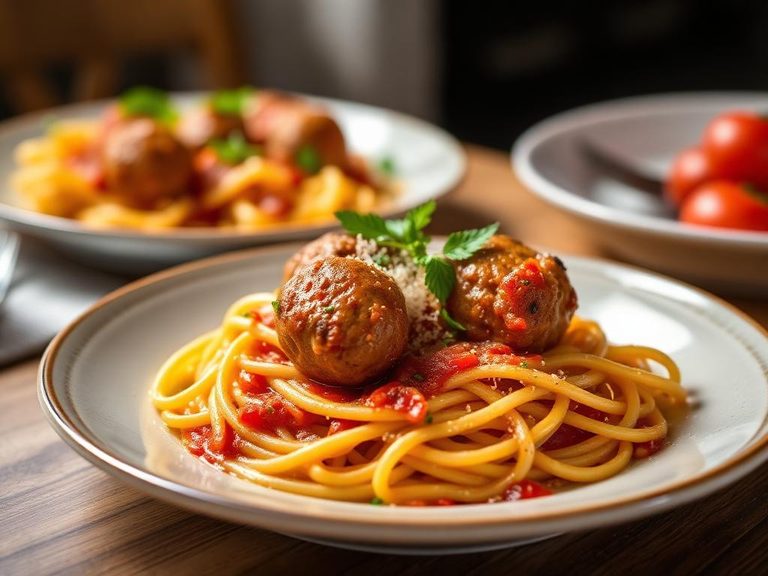
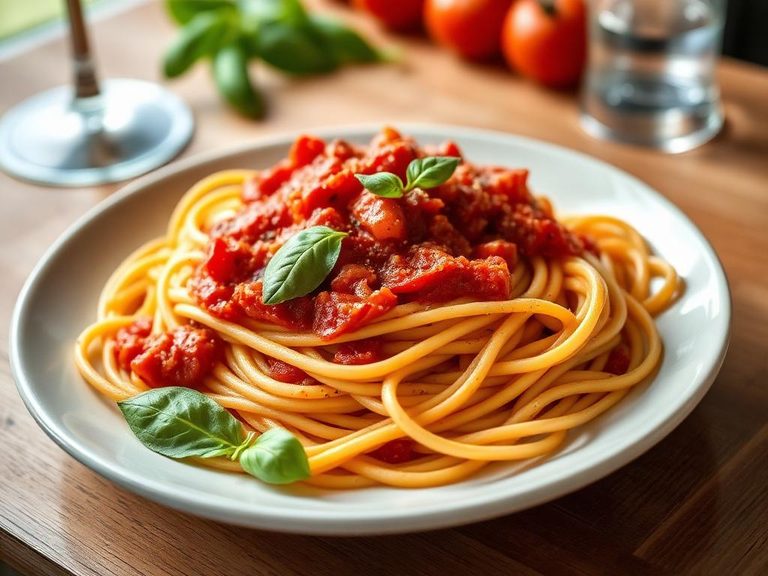
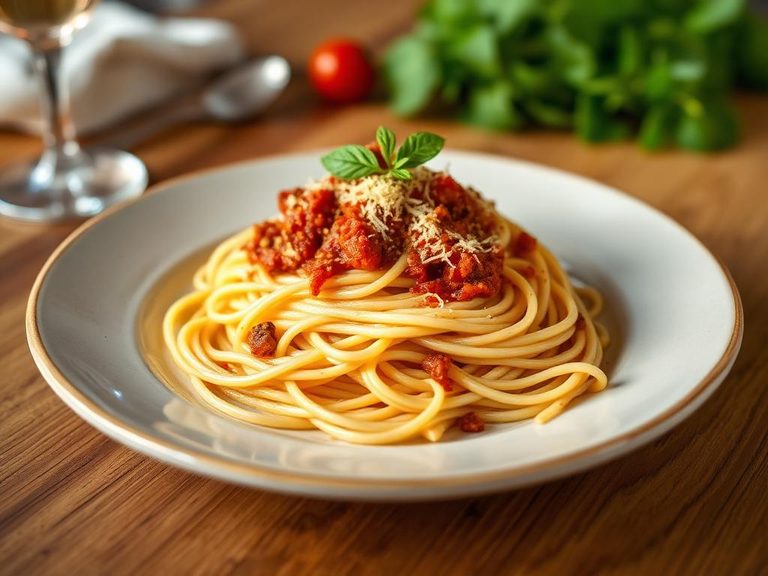
🌍 Where it's eaten
💡 Did you know?
The word 'spaghetti' is the plural of the Italian word 'spaghetto,' which is a diminutive of 'spago,' meaning 'thin string' or 'twine.'
Full nutrition (USDA data · scales with serving)
| Water | 8.6 g |
| Ash | 0.91 g |
| Calcium, Ca | 18.3 mg |
| Iron, Fe | 3.9 mg |
| Magnesium, Mg | 56.7 mg |
| Phosphorus, P | 190 mg |
| Potassium, K | 237 mg |
| Sodium, Na | 2.4 mg |
| Zinc, Zn | 1.5 mg |
| Copper, Cu | 0.31 mg |
| Manganese, Mn | 1.1 mg |
| Thiamin | 0.87 mg |
| Riboflavin | 0.41 mg |
| Niacin | 11.6 mg |
| Biotin | 3.5 ug |
| Folate, total | 230 ug |
Fat & fatty acid profile (per 100g)
Estimated from Pasta, gluten-free, corn, dry — USDA does not publish this profile for Pasta.
| Fatty acids, total saturated | 0.29 g |
| SFA 4:0 | 0.00 g |
| SFA 6:0 | 0.00 g |
| SFA 8:0 | 0.00 g |
| SFA 10:0 | 0.00 g |
| SFA 12:0 | 0.00 g |
| SFA 14:0 | 0.00 g |
| SFA 16:0 | 0.25 g |
| SFA 18:0 | 0.03 g |
| Fatty acids, total monounsaturated | 0.54 g |
| MUFA 16:1 | 0.00 g |
| MUFA 18:1 | 0.54 g |
| MUFA 20:1 | 0.00 g |
| MUFA 22:1 | 0.00 g |
| Fatty acids, total polyunsaturated | 0.92 g |
| PUFA 18:2 | 0.90 g |
| PUFA 18:3 | 0.03 g |
| PUFA 18:4 | 0.00 g |
| PUFA 20:4 | 0.00 g |
| PUFA 20:5 n-3 (EPA) | 0.00 g |
| PUFA 22:5 n-3 (DPA) | 0.00 g |
| PUFA 22:6 n-3 (DHA) | 0.00 g |
| Cholesterol | 0.00 mg |
Amino acid profile (per 100g)
Estimated from Pasta, gluten-free, corn, dry — USDA does not publish this profile for Pasta.
| Tryptophan | 0.05 g |
| Threonine | 0.28 g |
| Isoleucine | 0.27 g |
| Leucine | 0.92 g |
| Lysine | 0.21 g |
| Methionine | 0.16 g |
| Cystine | 0.13 g |
| Phenylalanine | 0.37 g |
| Tyrosine | 0.30 g |
| Valine | 0.38 g |
| Arginine | 0.37 g |
| Histidine | 0.23 g |
| Alanine | 0.56 g |
| Aspartic acid | 0.52 g |
| Glutamic acid | 1.4 g |
| Glycine | 0.31 g |
| Proline | 0.65 g |
| Serine | 0.35 g |
FAQ
How do I cook spaghetti to be perfectly al dente?
Bring a large pot of salted water to a rolling boil, add the spaghetti, and stir occasionally. Cook for 1-2 minutes less than the package's recommended time, then taste a strand—it should be tender but still have a firm, slightly chewy bite in the center. Drain, but reserve a cup of the starchy cooking water to help sauces cling to the pasta.
What's the difference between regular and whole wheat spaghetti?
Regular spaghetti is made from refined durum wheat semolina, which has the bran and germ removed. Whole wheat spaghetti uses the entire wheat kernel, giving it a darker color, nuttier flavor, and higher fiber content, which can help with digestion and blood sugar control.
Is spaghetti gluten-free?
No, traditional spaghetti made from wheat semolina contains gluten. However, there are gluten-free versions made from rice, corn, quinoa, or legumes like lentils or chickpeas, which are suitable for those with celiac disease or gluten sensitivity.
Dietary load (calculated from USDA values)
Sodium-to-potassium ratio: 0.01 (lower is better — aim for ≤ 1)
Sodium:potassium per WHO potassium guidance. Computed from USDA nutrients.