

Nutritional powder mix, high protein (Herbalife)
Common food

Photo: Wikipedia
This is a concentrated, vanilla-flavored nutritional shake mix designed for meal replacement or protein supplementation. It has a fine, chalky powder texture that blends into a smooth, creamy shake with a sweet, slightly artificial vanilla taste. Its standout feature is the exceptionally high protein content relative to its calorie count.
Calorie split: 55% protein · 21% carbs · 25% fat
↓ Full nutrition💚 Why it's loved
People love it for its simplicity and effectiveness as a quick, filling meal replacement that helps manage hunger and support fitness goals. Its versatility allows it to be mixed with water, milk, or blended into smoothies, fitting seamlessly into busy lifestyles.
⚠️ Watch-outs & how to enjoy it better
The primary downside is its processed nature and reliance on artificial sweeteners and flavors, which some find unpalatable or concerning for long-term use. Those with sensitive digestion may experience bloating. To counteract, mix with whole foods like berries, spinach, or nut butter to add fiber and natural nutrients, and ensure you drink plenty of water to aid digestion.
Key benefits
- Provides a high dose of complete protein per serving for muscle maintenance.
- Convenient and portable source of balanced macro-nutrients.
- Low in sugar and fat, supporting calorie-controlled diets.
- Fortified with essential vitamins and minerals for nutritional completeness.
🍽️ Popular dishes
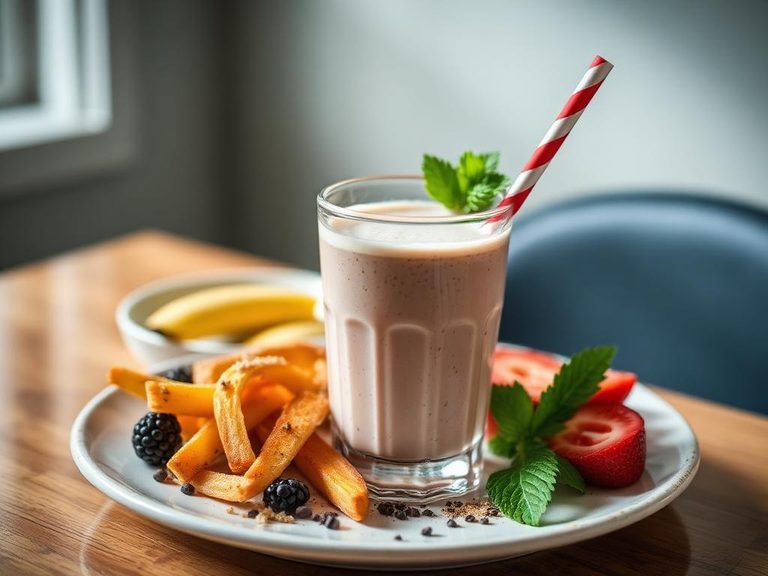
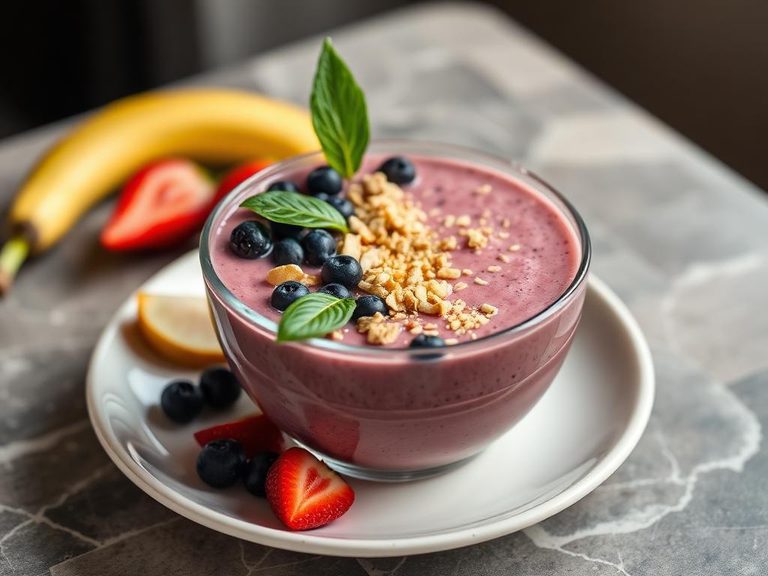


🌍 Where it's eaten
💡 Did you know?
The formula is designed to provide 21 grams of protein in a typical 30-gram scoop, meaning over 70% of the powder by weight is pure protein.
Full nutrition (USDA data · scales with serving)
| Water | 8.3 g |
| Energy | 392 kcal |
| Protein | 53.6 g |
| Total lipid (fat) | 10.7 g |
| Carbohydrate, by difference | 20.4 g |
| Fiber, total dietary | 0.00 g |
| Total Sugars | 3.6 g |
| Calcium, Ca | 714 mg |
| Iron, Fe | 22.5 mg |
| Magnesium, Mg | 500 mg |
| Phosphorus, P | 1429 mg |
| Potassium, K | 1000 mg |
| Sodium, Na | 1214 mg |
| Zinc, Zn | 18.8 mg |
| Copper, Cu | 2.5 mg |
| Selenium, Se | 87.5 ug |
| Vitamin C, total ascorbic acid | 75.0 mg |
| Thiamin | 2.1 mg |
| Riboflavin | 2.1 mg |
| Niacin | 25.0 mg |
| Vitamin B-6 | 2.5 mg |
| Folate, total | 571 ug |
| Folic acid | 571 ug |
| Folate, food | 0.00 ug |
| Folate, DFE | 971 ug |
| Choline, total | 180 mg |
| Vitamin B-12 | 6.4 ug |
| Vitamin B-12, added | 0.00 ug |
| Vitamin A, RAE | 1875 ug |
| Retinol | 1875 ug |
| Carotene, beta | 0.00 ug |
| Carotene, alpha | 0.00 ug |
| Cryptoxanthin, beta | 0.00 ug |
| Lycopene | 0.00 ug |
| Lutein + zeaxanthin | 0.00 ug |
| Vitamin E (alpha-tocopherol) | 16.9 mg |
| Vitamin E, added | 16.9 mg |
| Vitamin D (D2 + D3) | 12.5 ug |
| Vitamin K (phylloquinone) | 125 ug |
| Alcohol, ethyl | 0.00 g |
| Caffeine | 0.00 mg |
| Theobromine | 0.00 mg |
Fat & fatty acid profile (per 100g)
| Fatty acids, total saturated | 0.00 g |
| SFA 4:0 | 0.00 g |
| SFA 6:0 | 0.00 g |
| SFA 8:0 | 0.00 g |
| SFA 10:0 | 0.00 g |
| SFA 12:0 | 0.00 g |
| SFA 14:0 | 0.00 g |
| SFA 16:0 | 0.00 g |
| SFA 18:0 | 0.00 g |
| Fatty acids, total monounsaturated | 2.9 g |
| MUFA 16:1 | 0.00 g |
| MUFA 18:1 | 2.9 g |
| MUFA 20:1 | 0.00 g |
| MUFA 22:1 | 0.00 g |
| Fatty acids, total polyunsaturated | 7.3 g |
| PUFA 18:2 | 6.5 g |
| PUFA 18:3 | 0.79 g |
| PUFA 18:4 | 0.00 g |
| PUFA 20:4 | 0.00 g |
| PUFA 20:5 n-3 (EPA) | 0.00 g |
| PUFA 22:5 n-3 (DPA) | 0.00 g |
| PUFA 22:6 n-3 (DHA) | 0.00 g |
| Cholesterol | 0.00 mg |
FAQ
Is this a complete meal replacement?
When mixed with water, it is designed as a meal replacement for weight management, providing a balance of protein, carbs, fats, and micronutrients. For a more nutritionally complete meal, it's often recommended to blend it with additional whole foods like fruits or vegetables.
Can I use it for muscle building?
Yes, it's a high-quality protein source that can support muscle repair and growth when combined with resistance training. For optimal muscle synthesis, consider consuming it within a post-workout window or as part of a protein-rich diet.
What does it taste like?
The most common flavor is a sweet, creamy vanilla. The taste is generally well-liked but can be subjective; some describe it as having a mild, artificial sweetness. It mixes best with a shaker bottle or blender to avoid clumps.
Nutrient density (calculated · NRF9.3)
Nutrient Rich Foods index: beneficial nutrients (protein, fiber, vitamins, minerals) minus saturated fat, added sugar & sodium, per 100 kcal.
NRF9.3 index — Fulgoni, Keast & Drewnowski, 2009. Computed from USDA nutrients.
Weight-loss friendliness (composite index)
Energy density 3.92 kcal/g · 55% calories from protein · 0.0 g fiber · 3.6 g sugar per 100 g.
Composite of energy density (Rolls et al., 1999), protein & fiber satiety, minus sugar. A calculated heuristic — ranks satiety-per-calorie, not a clinical measure.
Dietary load (calculated from USDA values)
Potential renal acid load. Positive = acid-forming, negative = alkaline-forming.
Sodium-to-potassium ratio: 1.21 (lower is better — aim for ≤ 1)
Sodium:potassium per WHO potassium guidance. Computed from USDA nutrients.