

Nutritional powder mix (Carnation Instant Breakfast)
Common food
Carnation Instant Breakfast is a sweet, powdered drink mix designed to be blended with milk for a quick, nutritionally fortified beverage. It has a smooth, creamy texture and a classic, nostalgic flavor reminiscent of a melted milkshake, typically in chocolate, vanilla, or strawberry. Nutritionally, it's a concentrated source of carbohydrates and sugar, providing a rapid energy boost along with added vitamins and minerals.
Calorie split: 22% protein · 74% carbs · 4% fat
↓ Full nutrition💚 Why it's loved
People love it for its comforting, sweet taste that feels like an indulgent treat rather than a supplement, and its ultimate convenience for a rushed morning. It's a nostalgic staple for many who grew up with it as a quick breakfast or snack.
⚠️ Watch-outs & how to enjoy it better
The high sugar content (over 65g per 100g of powder) can cause significant blood-sugar spikes, making it a poor choice for diabetics or those monitoring glycemic impact. To counteract this, always mix it with unsweetened milk or water and pair it with a source of healthy fat or fiber, like a handful of nuts or a piece of fruit, to slow sugar absorption. Also, check labels for common allergens like milk and soy.
Key benefits
- Provides a quick and convenient source of calories and energy.
- Fortified with essential vitamins and minerals like Vitamin C, Calcium, and Iron.
- High in protein when mixed with milk, supporting muscle maintenance.
- Offers a consistent, standardized nutritional profile per serving.
- A familiar, palatable option for those with poor appetites or on-the-go.
🍽️ Popular dishes
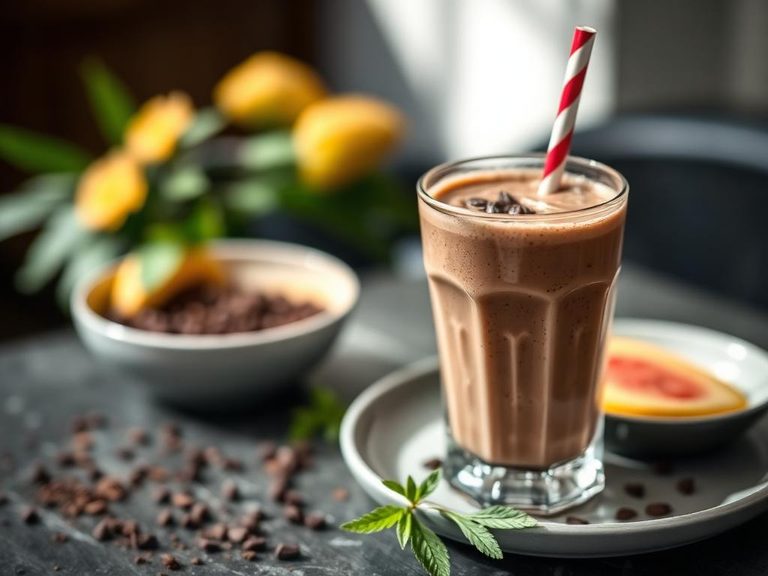

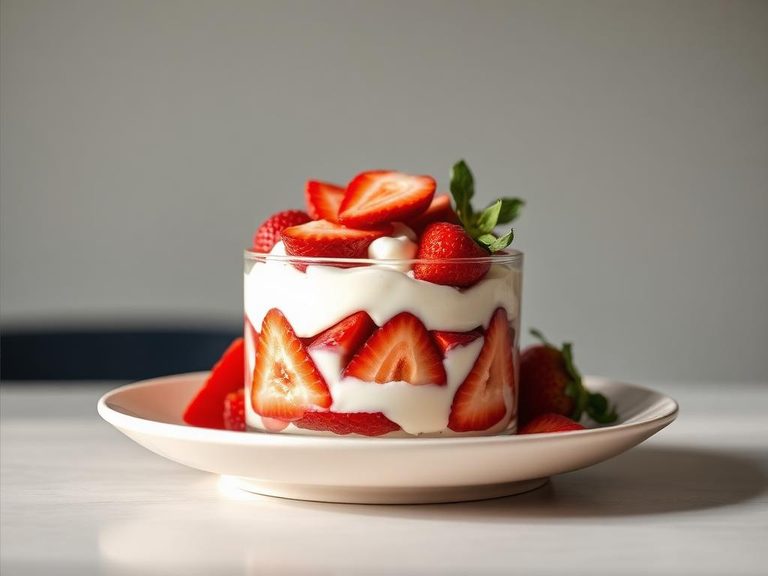
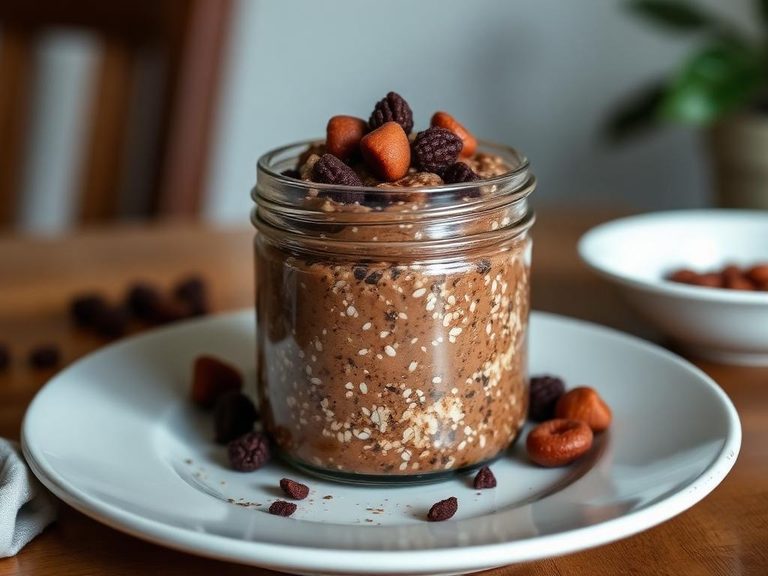
🌍 Where it's eaten
💡 Did you know?
Carnation Instant Breakfast was originally developed in 1964 by Dr. William Vitale and was first marketed as a liquid meal for hospital patients before becoming a mainstream consumer product.
Full nutrition (USDA data · scales with serving)
| Water | 7.4 g |
| Energy | 353 kcal |
| Protein | 19.9 g |
| Total lipid (fat) | 1.4 g |
| Carbohydrate, by difference | 66.2 g |
| Fiber, total dietary | 0.40 g |
| Total Sugars | 65.8 g |
| Calcium, Ca | 285 mg |
| Iron, Fe | 12.8 mg |
| Magnesium, Mg | 228 mg |
| Phosphorus, P | 427 mg |
| Potassium, K | 947 mg |
| Sodium, Na | 385 mg |
| Zinc, Zn | 8.6 mg |
| Copper, Cu | 1.4 mg |
| Selenium, Se | 12.1 ug |
| Vitamin C, total ascorbic acid | 76.9 mg |
| Thiamin | 0.85 mg |
| Riboflavin | 0.20 mg |
| Niacin | 14.2 mg |
| Vitamin B-6 | 1.1 mg |
| Folate, total | 285 ug |
| Folic acid | 285 ug |
| Folate, food | 0.00 ug |
| Folate, DFE | 485 ug |
| Choline, total | 148 mg |
| Vitamin B-12 | 1.7 ug |
| Vitamin B-12, added | 1.0 ug |
| Vitamin A, RAE | 625 ug |
| Retinol | 625 ug |
| Carotene, beta | 0.00 ug |
| Carotene, alpha | 0.00 ug |
| Cryptoxanthin, beta | 0.00 ug |
| Lycopene | 0.00 ug |
| Lutein + zeaxanthin | 0.00 ug |
| Vitamin E (alpha-tocopherol) | 9.4 mg |
| Vitamin E, added | 9.4 mg |
| Vitamin D (D2 + D3) | 0.00 ug |
| Vitamin K (phylloquinone) | 90.0 ug |
| Alcohol, ethyl | 0.00 g |
| Caffeine | 25.0 mg |
| Theobromine | 290 mg |
Fat & fatty acid profile (per 100g)
| Fatty acids, total saturated | 0.56 g |
| SFA 4:0 | 0.01 g |
| SFA 6:0 | 0.00 g |
| SFA 8:0 | 0.00 g |
| SFA 10:0 | 0.01 g |
| SFA 12:0 | 0.00 g |
| SFA 14:0 | 0.02 g |
| SFA 16:0 | 0.29 g |
| SFA 18:0 | 0.22 g |
| Fatty acids, total monounsaturated | 0.31 g |
| MUFA 16:1 | 0.01 g |
| MUFA 18:1 | 0.30 g |
| MUFA 20:1 | 0.00 g |
| MUFA 22:1 | 0.00 g |
| Fatty acids, total polyunsaturated | 0.28 g |
| PUFA 18:2 | 0.25 g |
| PUFA 18:3 | 0.03 g |
| PUFA 18:4 | 0.00 g |
| PUFA 20:4 | 0.00 g |
| PUFA 20:5 n-3 (EPA) | 0.00 g |
| PUFA 22:5 n-3 (DPA) | 0.00 g |
| PUFA 22:6 n-3 (DHA) | 0.00 g |
| Cholesterol | 12.0 mg |
FAQ
Is Carnation Instant Breakfast a complete meal replacement?
No, it's designed as a nutritional supplement or quick meal addition. While fortified, it lacks sufficient fiber, healthy fats, and the full spectrum of nutrients found in a whole-food meal. It's best used alongside a balanced diet.
Can I mix it with something other than milk?
Yes, you can mix it with water, plant-based milks (like almond, soy, or oat), or even blend it into smoothies with yogurt and fruit. Using water will reduce calories and protein content.
How does it differ from protein powder?
Carnation Instant Breakfast is a broader nutritional supplement, fortified with a wide range of vitamins and minerals and higher in carbohydrates. Protein powders are primarily focused on delivering a high dose of protein with minimal carbs and fats.
Nutrient density (calculated · NRF9.3)
Nutrient Rich Foods index: beneficial nutrients (protein, fiber, vitamins, minerals) minus saturated fat, added sugar & sodium, per 100 kcal.
NRF9.3 index — Fulgoni, Keast & Drewnowski, 2009. Computed from USDA nutrients.
Weight-loss friendliness (composite index)
Energy density 3.53 kcal/g · 23% calories from protein · 0.4 g fiber · 65.8 g sugar per 100 g.
Composite of energy density (Rolls et al., 1999), protein & fiber satiety, minus sugar. A calculated heuristic — ranks satiety-per-calorie, not a clinical measure.
Dietary load (calculated from USDA values)
Potential renal acid load. Positive = acid-forming, negative = alkaline-forming.
Sodium-to-potassium ratio: 0.41 (lower is better — aim for ≤ 1)
Sodium:potassium per WHO potassium guidance. Computed from USDA nutrients.