

Mustard spinach, (tendergreen), raw
Whole food · Vegetables and Vegetable Products
Mustard spinach, or tendergreen, is a leafy green that combines the mild, sweet flavor of spinach with a subtle, peppery kick from its mustard family heritage. Its leaves are tender and smooth, making it ideal for both raw salads and quick cooking. Nutritionally, it's a low-calorie powerhouse, offering a solid dose of fiber and protein relative to its energy content.
Calorie split: 32% protein · 58% carbs · 10% fat
↓ Full nutrition💚 Why it's loved
People love its unique flavor profile—a gentle heat that elevates simple dishes without overwhelming them. Its versatility shines in both raw and cooked preparations, making it a staple in home gardens and kitchens.
⚠️ Watch-outs & how to enjoy it better
Like other leafy greens, it contains oxalates, which can contribute to kidney stone formation in susceptible individuals. To mitigate this, cooking methods like blanching or sautéing can reduce oxalate content. Those on blood-thinning medication should be mindful of its vitamin K content and maintain consistent intake.
Key benefits
- Excellent source of dietary fiber for digestive health
- Very low in calories, supporting weight management
- Good plant-based protein source for a leafy green
- Rich in vitamins A, C, and K for immune and bone support
- Contains minerals like calcium and iron
🍽️ Popular dishes
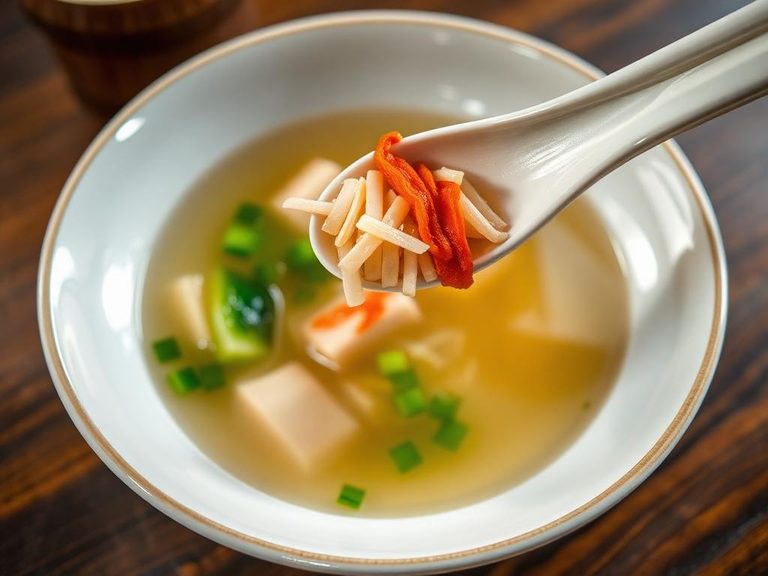
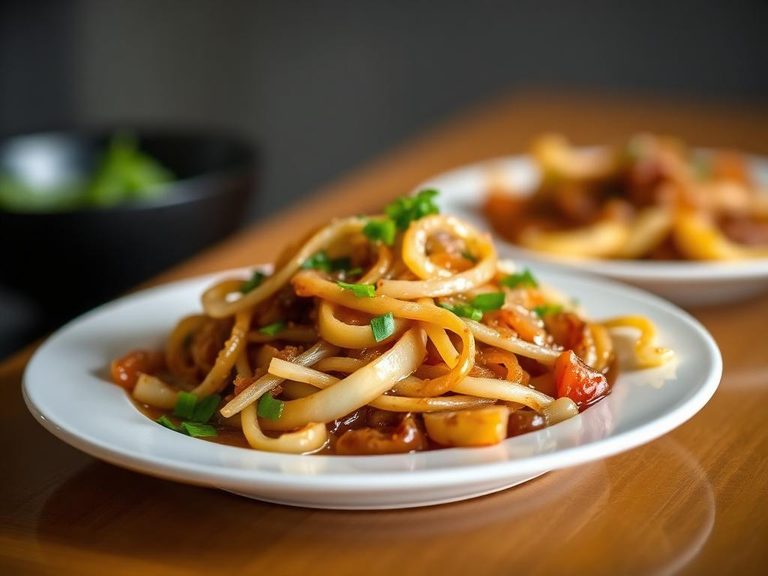
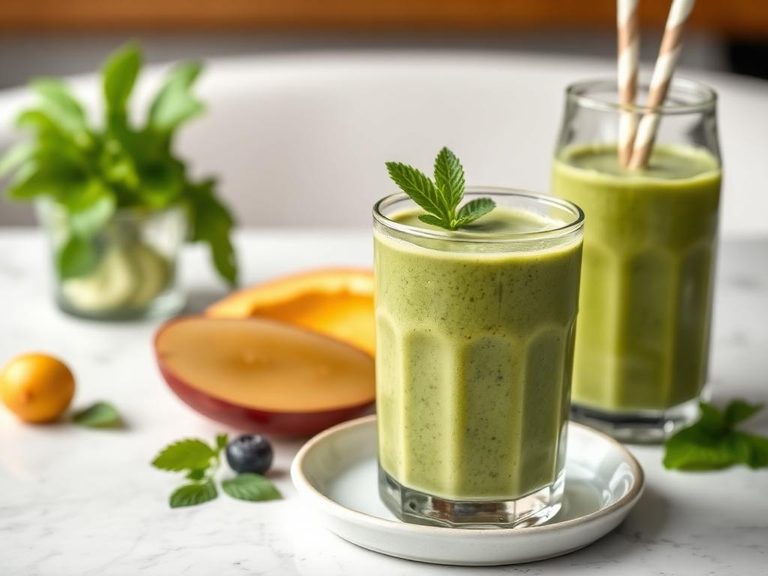
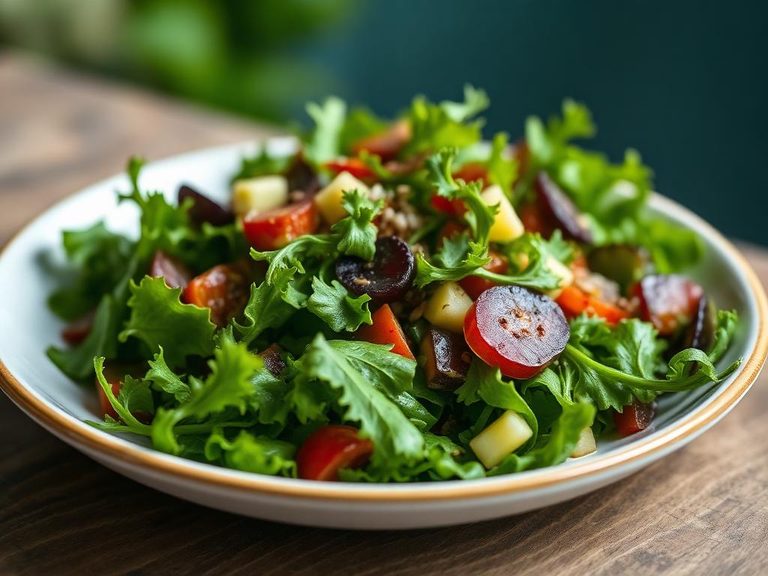
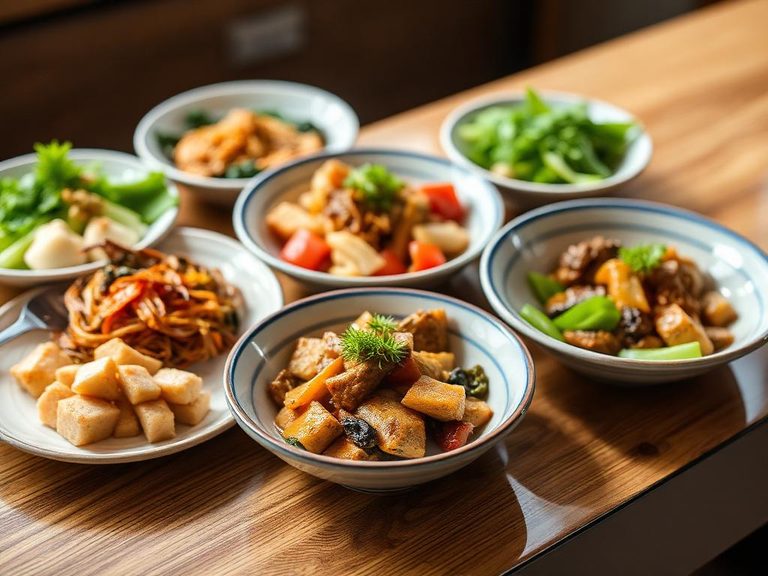
🌍 Where it's eaten
💡 Did you know?
Despite its name, mustard spinach is not a true spinach but a member of the mustard family (Brassicaceae), making it a close relative of broccoli and bok choy.
Full nutrition (USDA data · scales with serving)
| Water | 92.2 g |
| Energy | 22.0 kcal |
| Energy | 92.0 kj |
| Protein | 2.2 g |
| Total lipid (fat) | 0.30 g |
| Ash | 1.4 g |
| Carbohydrate, by difference | 3.9 g |
| Fiber, total dietary | 2.8 g |
| Calcium, Ca | 210 mg |
| Iron, Fe | 1.5 mg |
| Magnesium, Mg | 11.0 mg |
| Phosphorus, P | 28.0 mg |
| Potassium, K | 449 mg |
| Sodium, Na | 21.0 mg |
| Zinc, Zn | 0.17 mg |
| Copper, Cu | 0.07 mg |
| Manganese, Mn | 0.41 mg |
| Selenium, Se | 0.80 ug |
| Vitamin C, total ascorbic acid | 130 mg |
| Thiamin | 0.07 mg |
| Riboflavin | 0.09 mg |
| Niacin | 0.68 mg |
| Pantothenic acid | 0.18 mg |
| Vitamin B-6 | 0.15 mg |
| Folate, total | 159 ug |
| Folic acid | 0.00 ug |
| Folate, food | 159 ug |
| Folate, DFE | 159 ug |
| Vitamin B-12 | 0.00 ug |
| Vitamin A, RAE | 495 ug |
| Retinol | 0.00 ug |
| Vitamin A, IU | 9900 iu |
| Vitamin D (D2 + D3), International Units | 0.00 iu |
| Vitamin D (D2 + D3) | 0.00 ug |
| Alcohol, ethyl | 0.00 g |
Fat & fatty acid profile (per 100g)
| Fatty acids, total saturated | 0.01 g |
| SFA 4:0 | 0.00 g |
| SFA 6:0 | 0.00 g |
| SFA 8:0 | 0.00 g |
| SFA 10:0 | 0.00 g |
| SFA 12:0 | 0.00 g |
| SFA 14:0 | 0.00 g |
| SFA 16:0 | 0.01 g |
| SFA 18:0 | 0.00 g |
| Fatty acids, total monounsaturated | 0.14 g |
| MUFA 16:1 | 0.00 g |
| MUFA 18:1 | 0.02 g |
| MUFA 20:1 | 0.03 g |
| MUFA 22:1 | 0.09 g |
| Fatty acids, total polyunsaturated | 0.06 g |
| PUFA 18:2 | 0.03 g |
| PUFA 18:3 | 0.03 g |
| PUFA 18:4 | 0.00 g |
| PUFA 20:4 | 0.00 g |
| PUFA 20:5 n-3 (EPA) | 0.00 g |
| PUFA 22:5 n-3 (DPA) | 0.00 g |
| PUFA 22:6 n-3 (DHA) | 0.00 g |
| Fatty acids, total trans | 0.00 g |
| Cholesterol | 0.00 mg |
FAQ
Is mustard spinach the same as regular spinach?
No. Mustard spinach (Brassica rapa var. perviridis) is from the mustard family, while common spinach (Spinacia oleracea) is from the amaranth family. They have different flavors and nutritional profiles.
How do I reduce the peppery taste?
Cooking, especially quick sautéing or blanching, mellows the peppery notes. Pairing it with a sweet element like a splash of mirin or a sweet dressing can also balance the flavor.
Can I eat mustard spinach raw?
Yes, its tender leaves are great in salads. For a milder flavor, use younger leaves and dress them just before serving to prevent wilting.
Nutrient density (calculated · NRF9.3)
Nutrient Rich Foods index: beneficial nutrients (protein, fiber, vitamins, minerals) minus saturated fat, added sugar & sodium, per 100 kcal.
NRF9.3 index — Fulgoni, Keast & Drewnowski, 2009. Computed from USDA nutrients.
Weight-loss friendliness (composite index)
Energy density 0.22 kcal/g · 40% calories from protein · 2.8 g fiber · 0.0 g sugar per 100 g.
Composite of energy density (Rolls et al., 1999), protein & fiber satiety, minus sugar. A calculated heuristic — ranks satiety-per-calorie, not a clinical measure.
Dietary load (calculated from USDA values)
Potential renal acid load. Positive = acid-forming, negative = alkaline-forming.
Sodium-to-potassium ratio: 0.05 (lower is better — aim for ≤ 1)
Sodium:potassium per WHO potassium guidance. Computed from USDA nutrients.