In Korean namul dishes
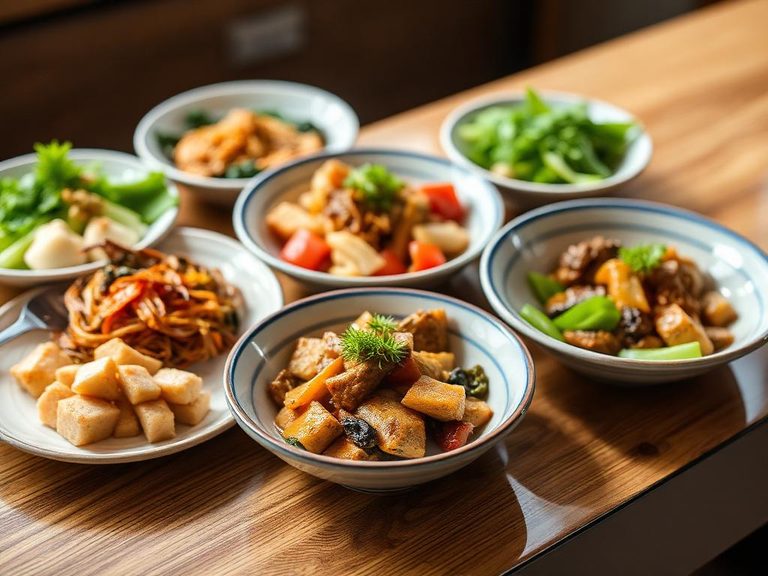
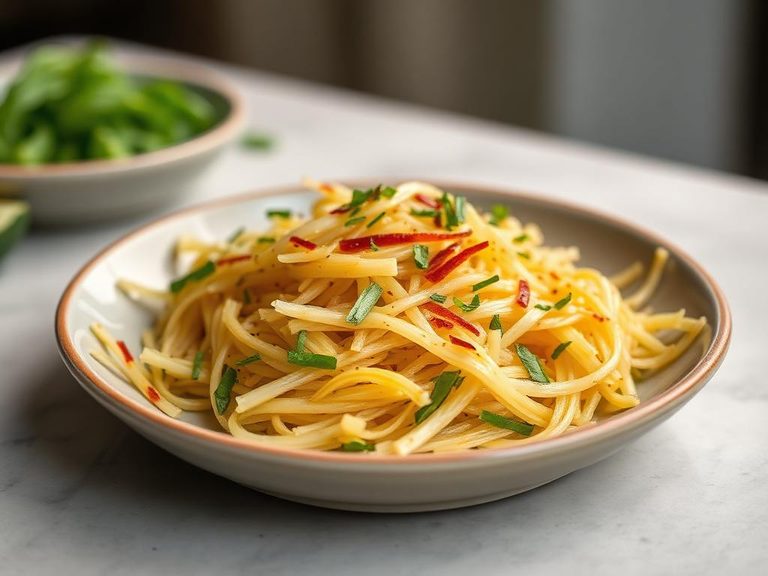
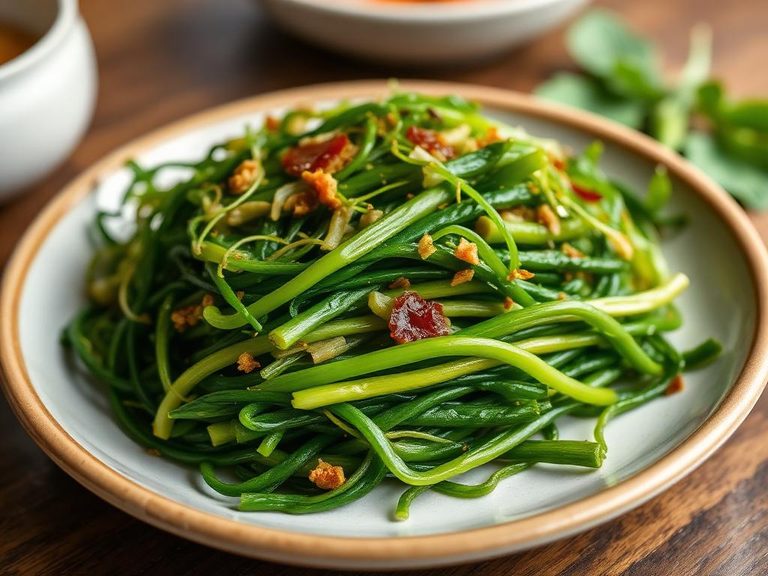
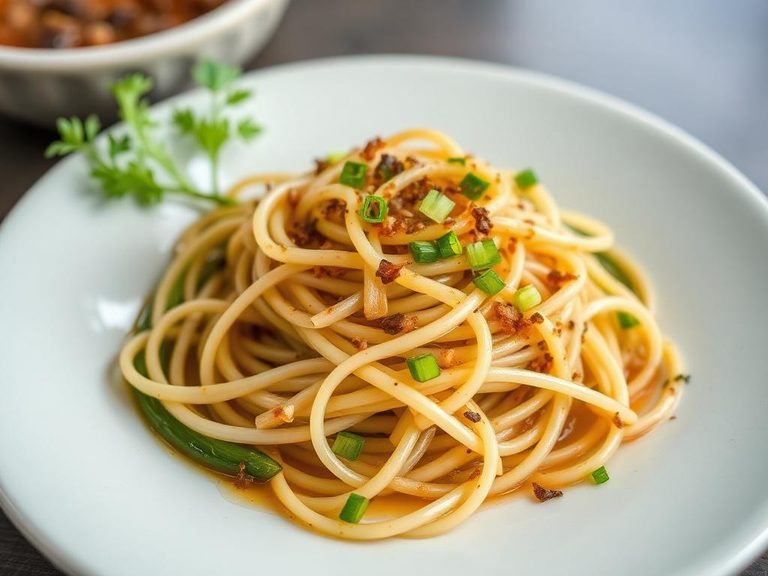
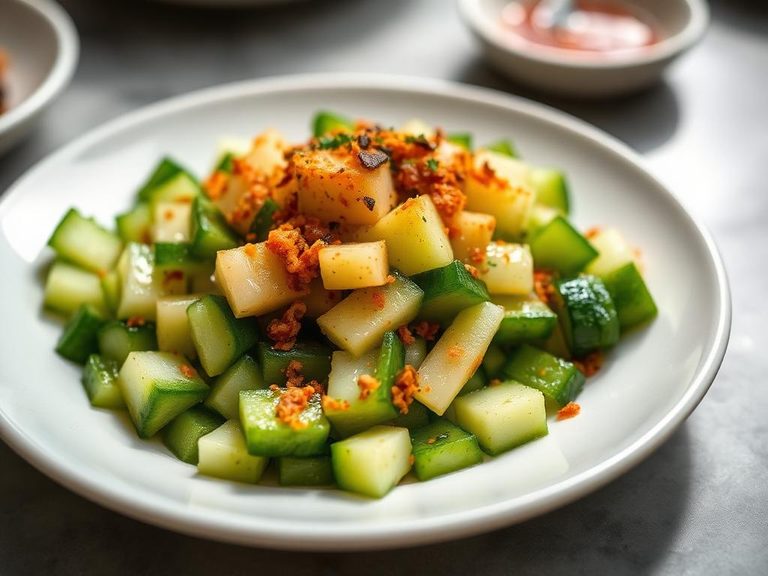
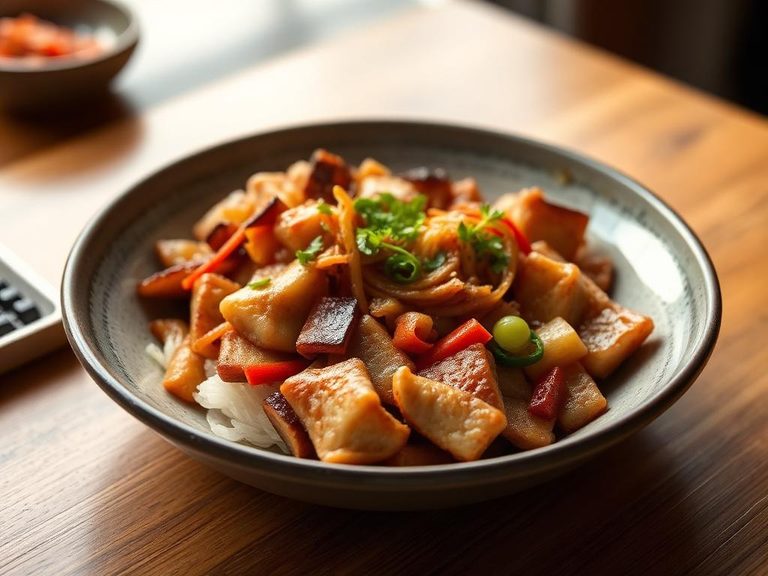
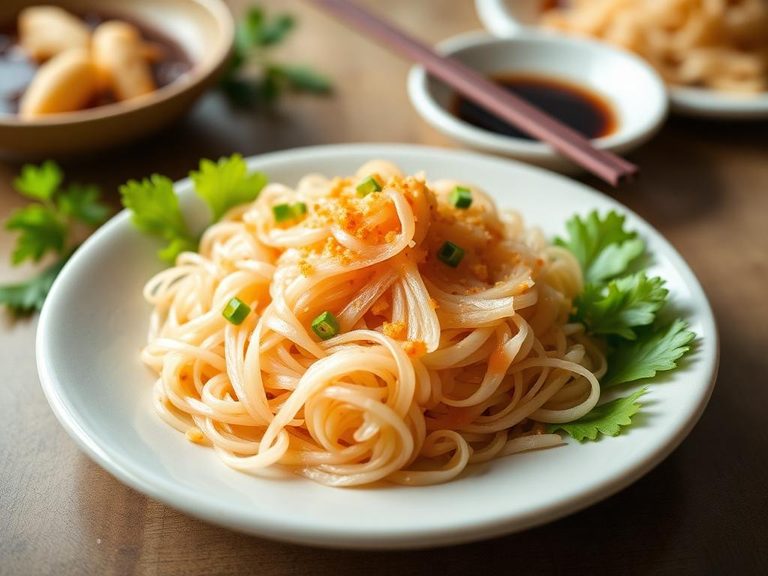
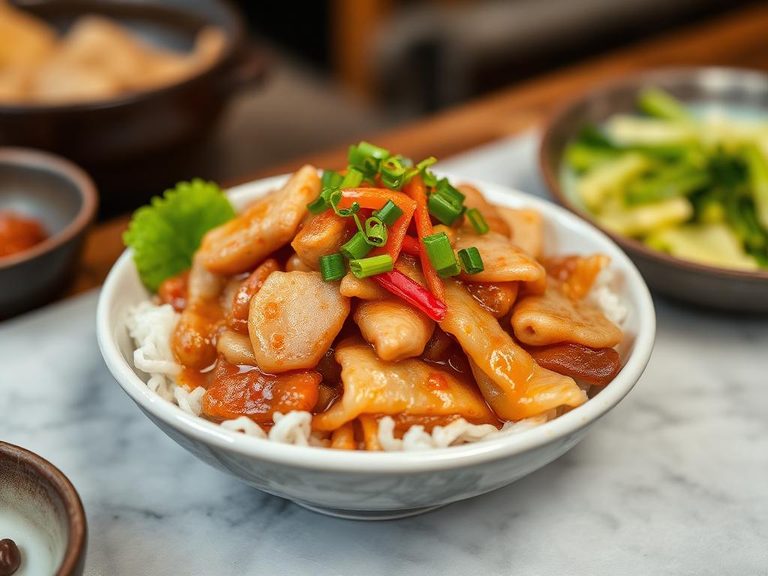
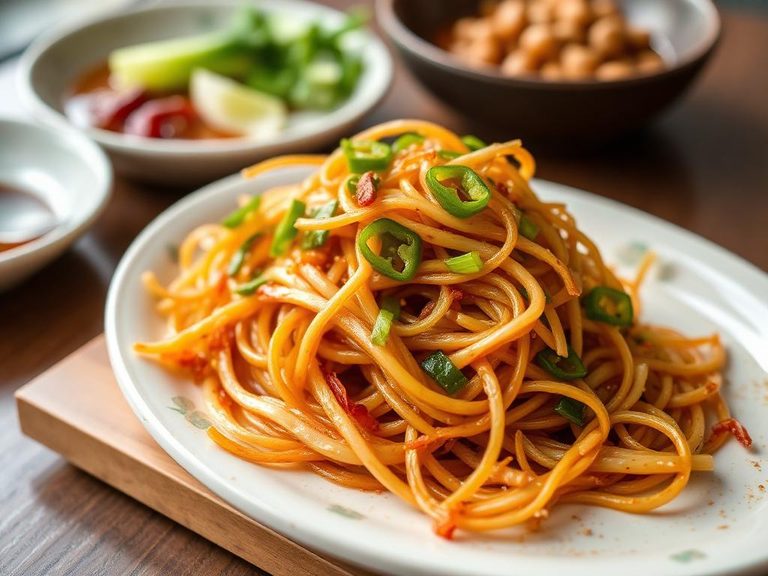
Namul are a category of seasoned vegetable side dishes in Korean cuisine, often served as part of a banchan spread. They are typically made from blanched or fresh vegetables like spinach, bean sprouts, or fernbrake, seasoned with sesame oil, garlic, soy sauce, and other flavorings. These dishes are fundamental to a traditional Korean meal, providing a fresh, earthy contrast to richer main courses.
🍽️ Nutrition at a glance
Namul dishes are generally low in calories and fat while being a good source of dietary fiber and essential vitamins. They are particularly rich in vitamins A, C, and K, as well as minerals like iron and calcium, depending on the specific vegetable used.
Nutrition breakdown
| Calories | 65 kcal |
| Protein | 4.5 g |
| Carbs | 7 g |
| Fat | 2.5 g |
| Fiber | 3.5 g |
| Sugar | 1.5 g |
| Sodium | 380 mg |
| Vitamin K | 450 mcg |
| Vitamin A | 700 mcg RAE |
| Vitamin C | 15 mg |
| Folate | 160 mcg |
| Iron | 3.5 mg |
| Magnesium | 75 mg |
| Potassium | 450 mg |
| Manganese | 0.8 mg |
Per 1 cup (150 g) of seasoned spinach namul · estimated, varies by recipe
💡 What's interesting
The practice of making namul is deeply tied to Korean culinary philosophy, emphasizing balance and harmony in a meal. Nutritionally, the blanching and seasoning method helps retain water-soluble vitamins while making nutrients like beta-carotene more bioavailable.