Korean namul
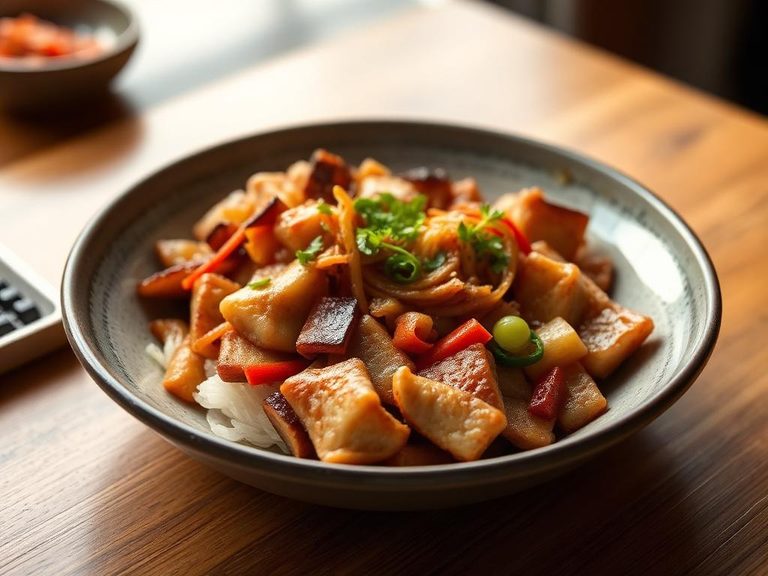
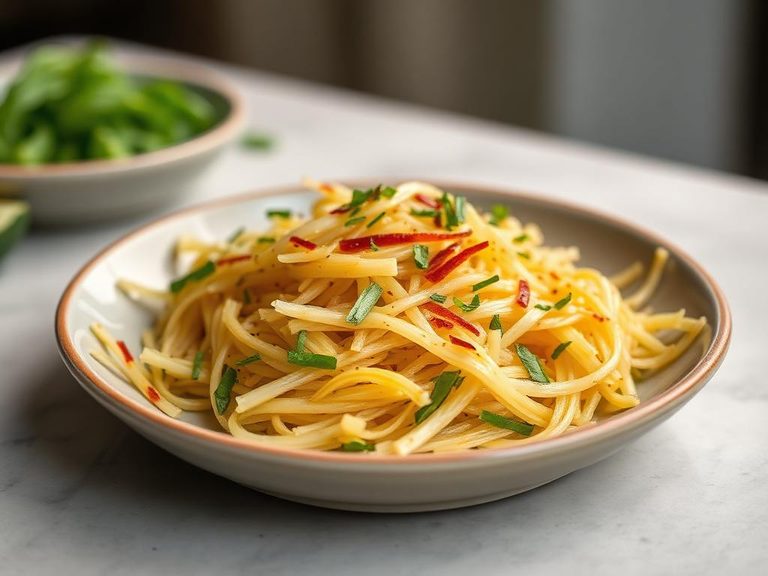
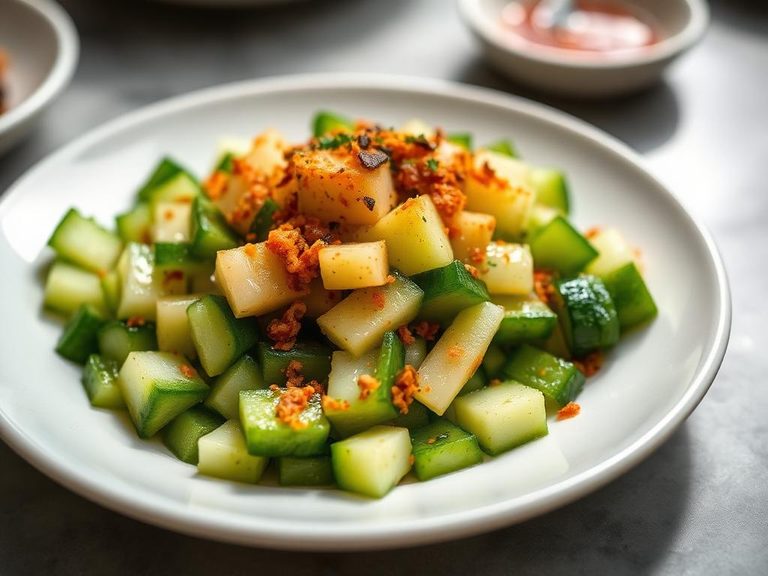
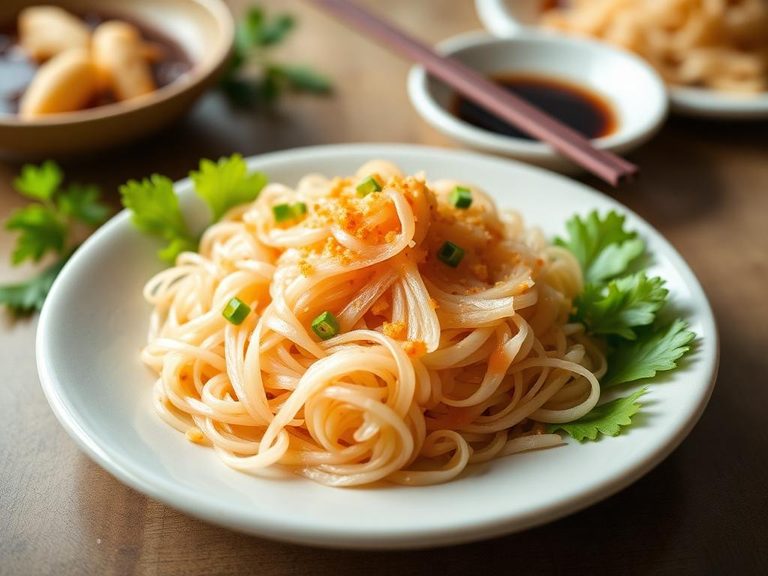
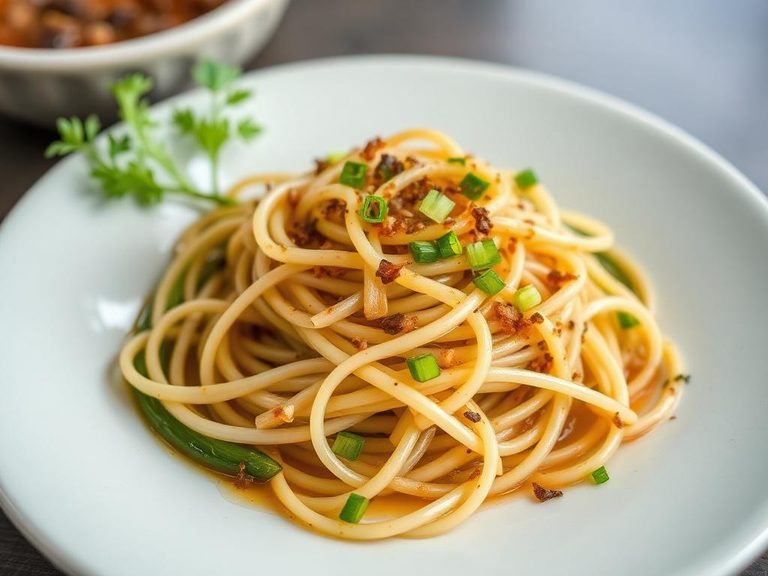
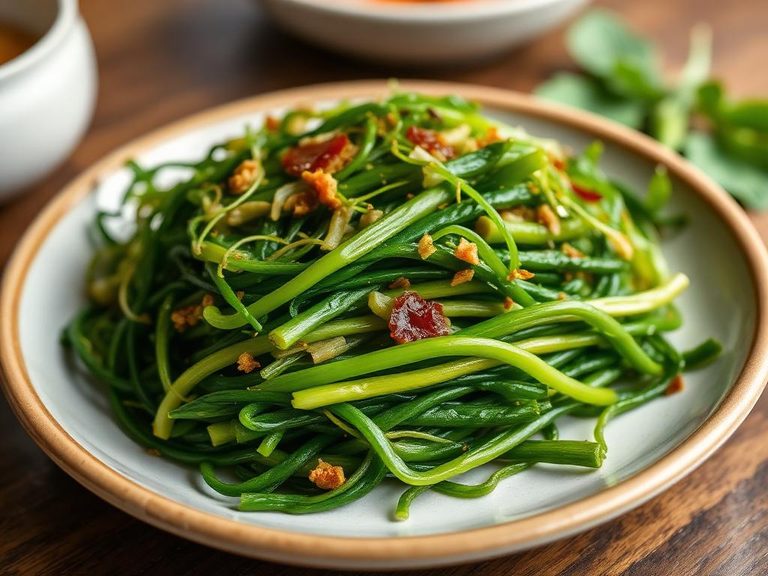
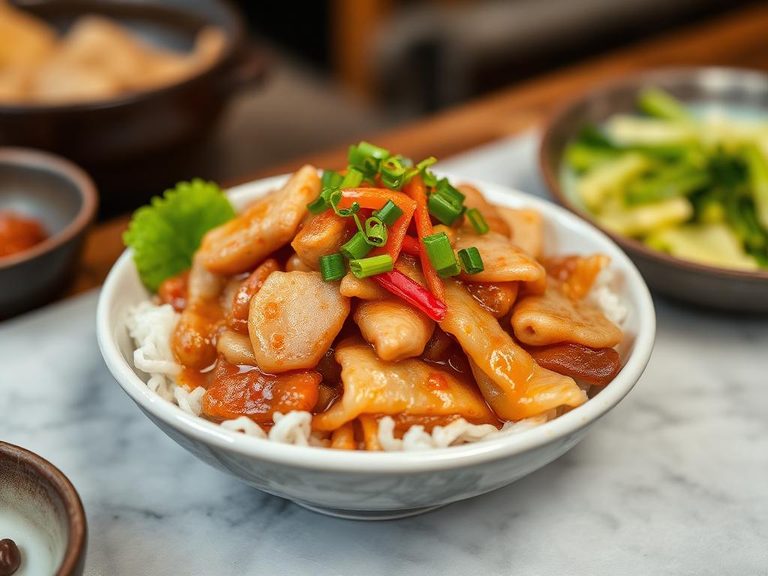
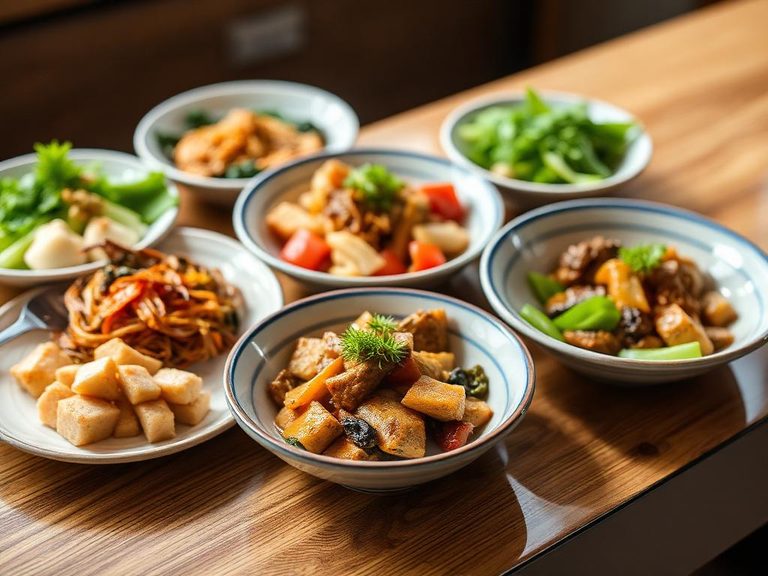
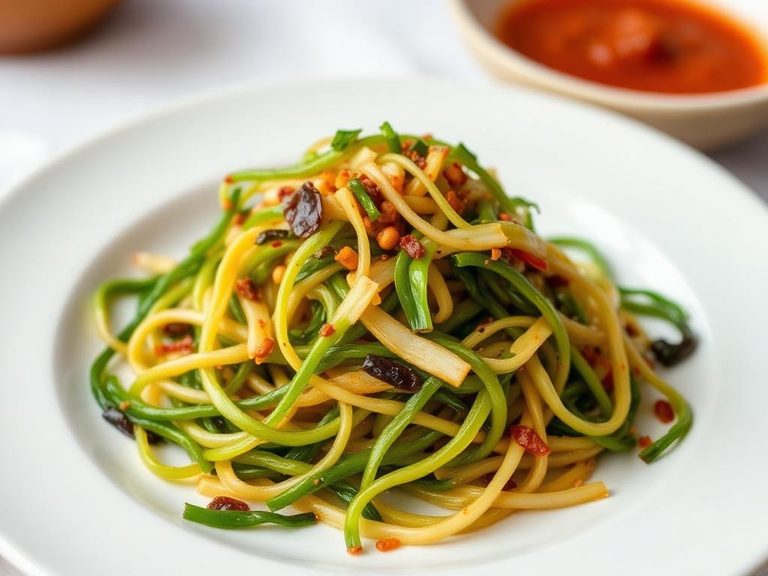
Korean namul refers to a category of seasoned vegetable side dishes, often served as part of a traditional meal. Common ingredients include blanched or fresh spinach, bean sprouts, radish, or mushrooms, which are typically seasoned with sesame oil, garlic, and soy sauce. This dish is a staple in Korean cuisine, especially in banchan (small shared plates) and bibimbap.
🍽️ Nutrition at a glance
Namul is generally low in calories and fat, providing a good source of dietary fiber and essential vitamins. It is rich in nutrients like vitamin K, vitamin C, and potassium, making it a healthy, plant-based addition to meals.
Nutrition breakdown
| Calories | 60 kcal |
| Protein | 3 g |
| Carbs | 8 g |
| Fat | 2 g |
| Fiber | 4 g |
| Sugar | 2 g |
| Sodium | 250 mg |
| Vitamin K | 150 mcg |
| Vitamin C | 15 mg |
| Potassium | 300 mg |
| Iron | 2 mg |
| Calcium | 50 mg |
| Magnesium | 25 mg |
| Folate | 40 mcg |
| Vitamin A | 80 mcg |
Per 1 cup (150 g) · estimated, varies by recipe
💡 What's interesting
Culturally, namul represents the Korean emphasis on balance and variety in meals, often symbolizing harmony and health. Nutritionally, its minimal processing helps retain the vegetables' natural nutrients, and it's frequently used in festive dishes like bibimbap to add color and texture.