

Used as a fresh salad green
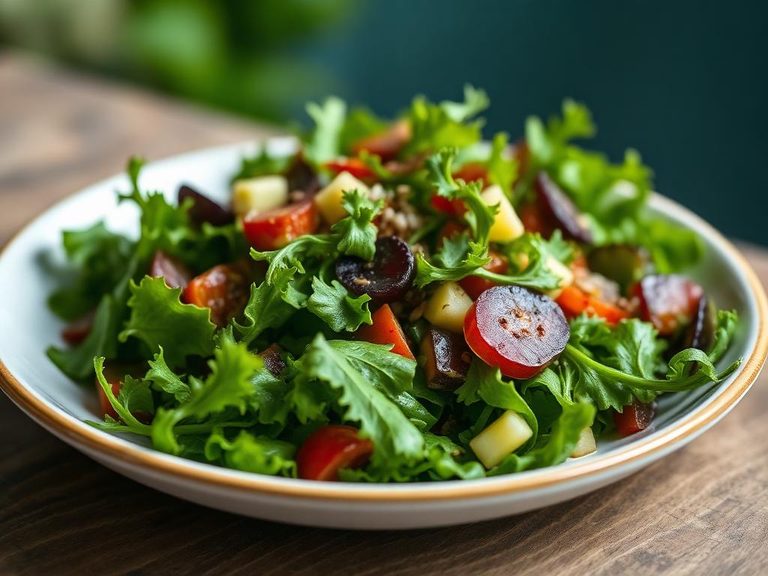
A fresh salad green refers to the tender, leafy parts of various plants eaten raw, often as the base of a salad. Common types include lettuce, spinach, arugula, and mixed greens, typically dressed with vinaigrettes or other light dressings. This culinary practice is widespread globally, with strong traditions in Mediterranean, American, and modern health-conscious cuisines.
🍽️ Nutrition at a glance
Fresh salad greens are very low in calories, carbohydrates, and fats, making them a light, nutrient-dense food. They are excellent sources of dietary fiber, vitamins A, C, and K, and minerals like potassium and iron.
Nutrition breakdown
| Calories | 12 kcal |
| Protein | 1.2 g |
| Carbs | 2.2 g |
| Fat | 0.1 g |
| Fiber | 1.3 g |
| Sugar | 0.8 g |
| Sodium | 15 mg |
| Vitamin K | 80 mcg |
| Vitamin A | 3600 IU |
| Vitamin C | 8 mg |
| Potassium | 190 mg |
| Folate | 40 mcg |
| Manganese | 0.2 mg |
| Iron | 0.8 mg |
| Calcium | 25 mg |
Per 2 cups (60 g) · estimated, varies by recipe
💡 What's interesting
Culturally, the simple green salad has evolved from a basic accompaniment to a canvas for culinary creativity, often reflecting local agriculture and seasonal produce. Nutritionally, the high water and fiber content promotes satiety and hydration, while the array of phytonutrients supports overall health.
🍽️ Related dishes
 Used in wild greens pies or tarts
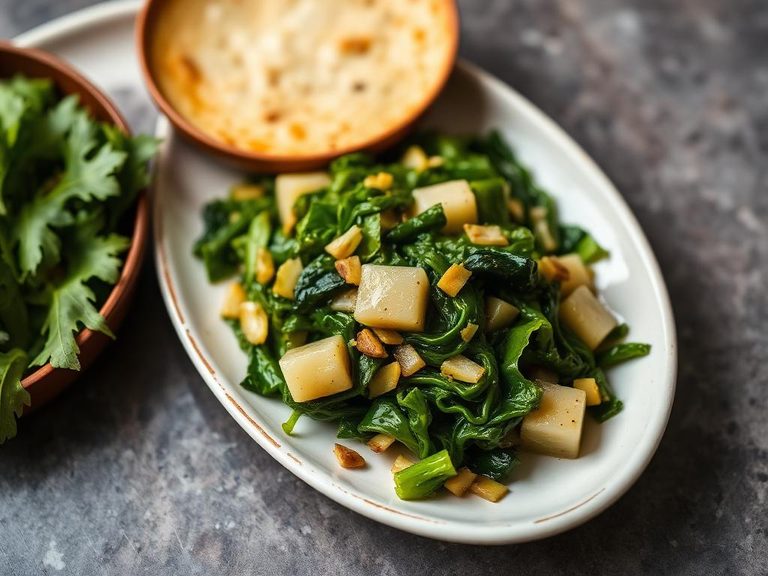 Collard green and turnip green mix for a soul food platter
 Blanched and used in Quiche
 Used as a cooking fat for frying
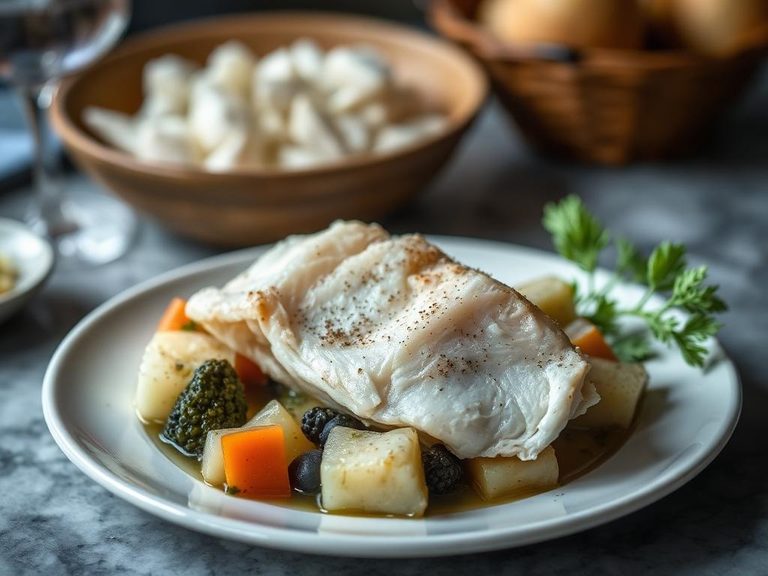 Salt Cod - historically used before preservation techniques advanced
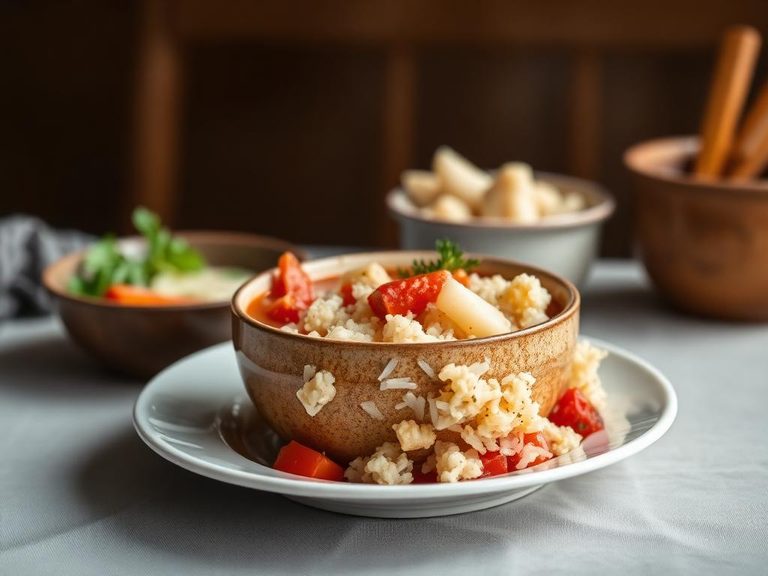 Used as a thickener in some soups or stews
 Used in pediatric medical feeding plans
 Used as a filling for soft, baked pastries.
AI estimate may be inaccurate · Terms