Used as a filling for soft, baked pastries.
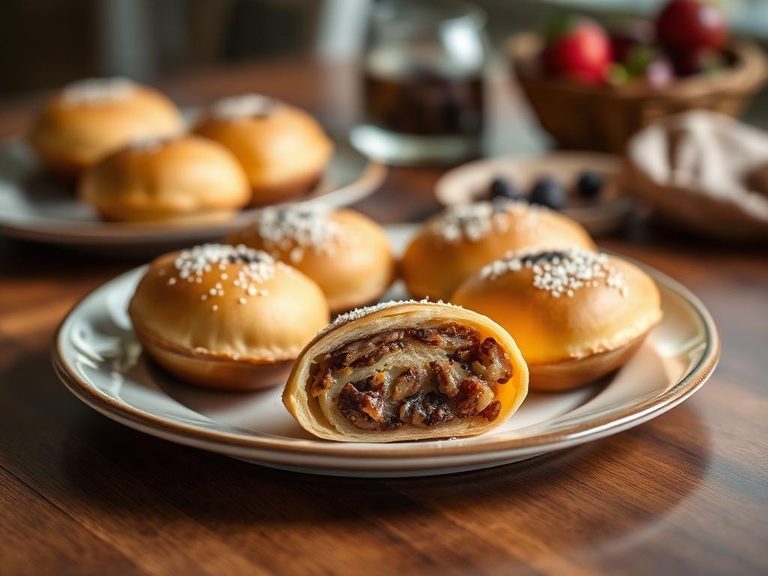
This is a sweet, dense filling made from cooked red bean paste, typically used in soft, baked pastries like Chinese mooncakes or Japanese dorayaki. It is primarily made from azuki beans, sugar, and sometimes a small amount of oil or salt for balance. Originating in East Asia, particularly China and Japan, it is a staple in traditional confectionery.
🍽️ Nutrition at a glance
This filling is high in carbohydrates, primarily from the beans and added sugar, providing a quick source of energy. A typical serving offers a good amount of dietary fiber and plant-based protein, with a calorie range of approximately 250-300 kcal.
Nutrition breakdown
| Calories | 270 kcal |
| Protein | 8 g |
| Carbs | 55 g |
| Fat | 1 g |
| Fiber | 9 g |
| Sugar | 30 g |
| Sodium | 15 mg |
| Folate | 120 µg |
| Iron | 2.5 mg |
| Magnesium | 60 mg |
| Potassium | 450 mg |
| Phosphorus | 130 mg |
| Thiamin (B1) | 0.2 mg |
| Zinc | 1.5 mg |
Per 1/2 cup (130 g) · estimated, varies by recipe
💡 What's interesting
Culturally, red bean paste is deeply symbolic in many Asian festivals, representing good fortune and reunion. Nutritionally, azuki beans are unique among legumes for their high antioxidant content, particularly proanthocyanidins, which contribute to their deep red color.
🍽️ Related dishes
 Used as a sweet filling in small pastries
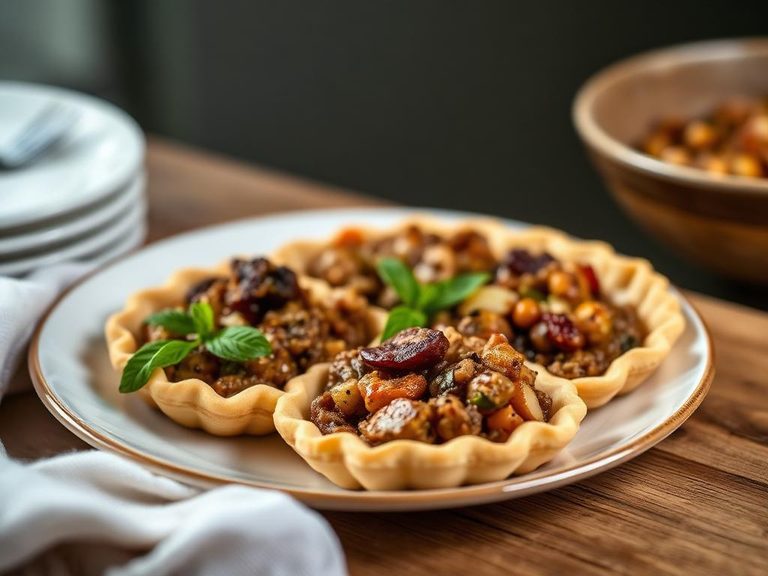 Used as a filling for savory pastries or pies
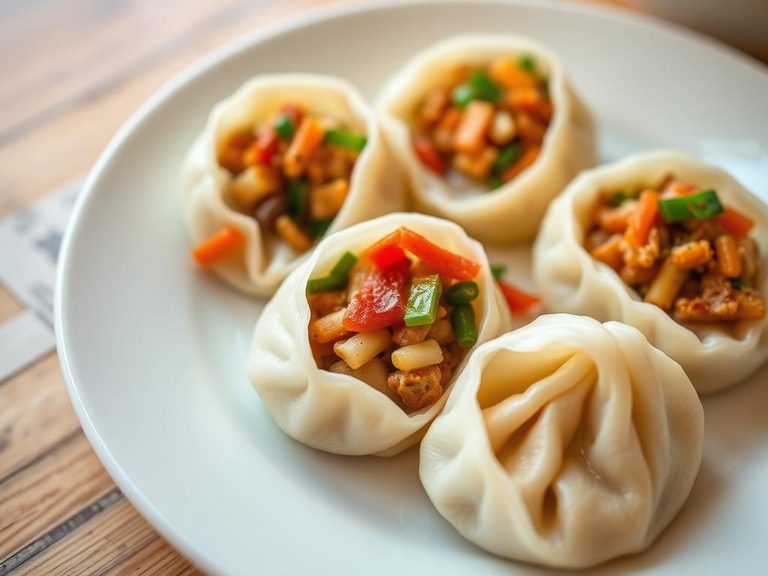 Used as a filling for soft, steamed dumplings
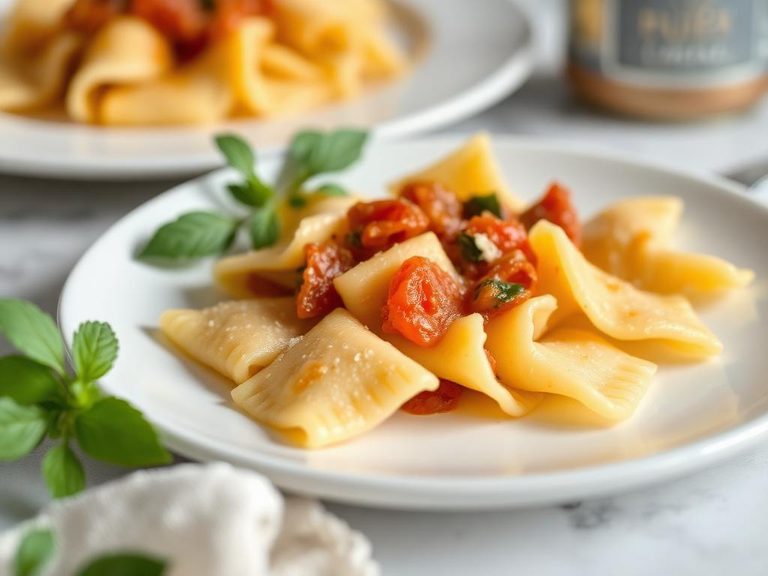 Used as a filling for small, soft pasta shapes
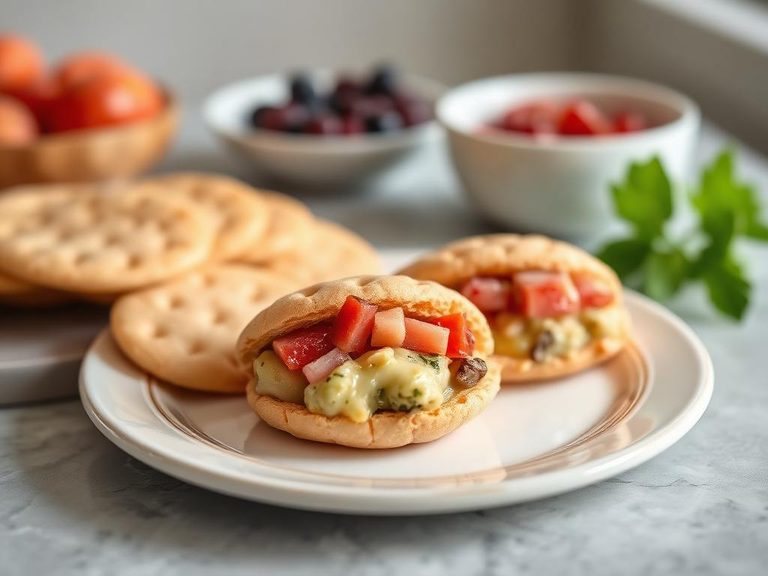 Used as a filling for soft teething wafers
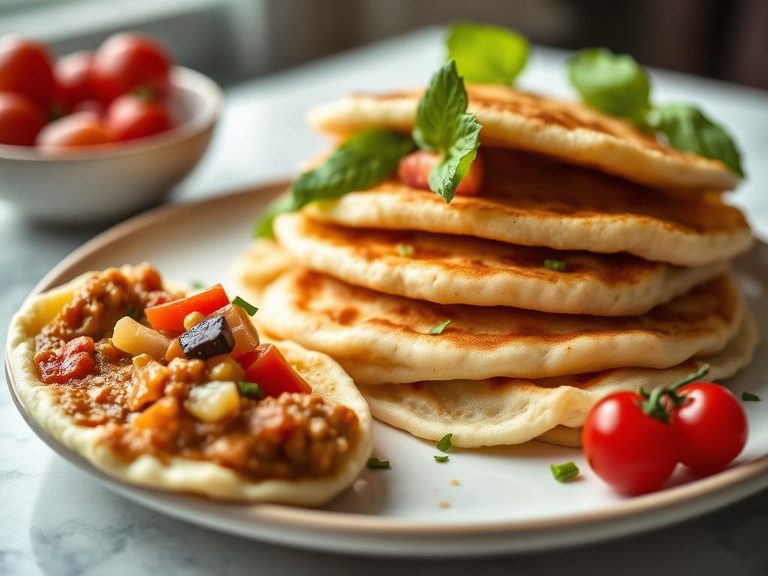 Used as a filling for soft baby pancakes
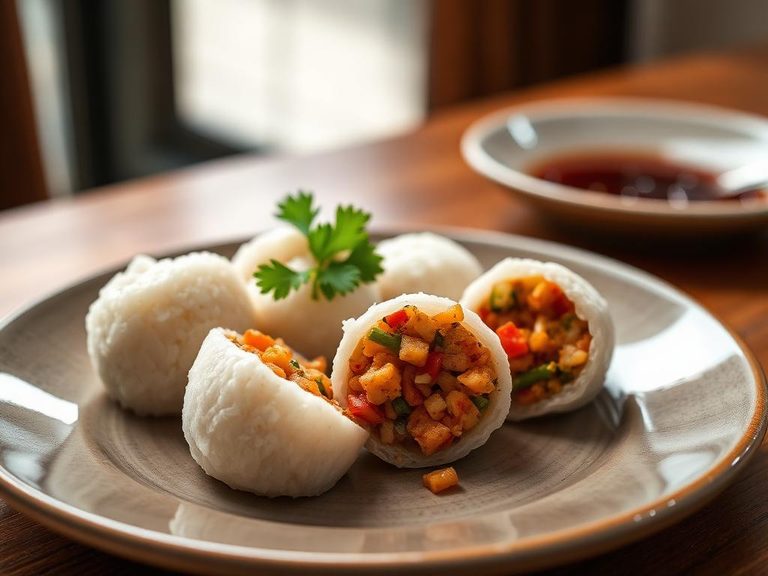 Used as a filling for soft rice balls
 A filling for pastries or turnovers