Used as a filling for soft rice balls
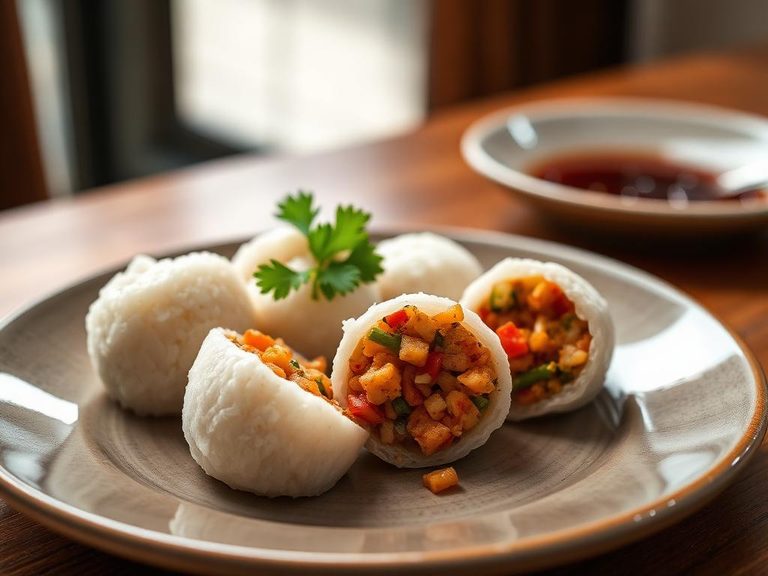
This is a sweet filling, most commonly made from red bean paste (anko), used in traditional Japanese mochi (soft rice balls) and other East Asian confections. The paste is typically made from azuki beans boiled with sugar until they form a smooth or chunky texture. It is a staple in Japanese wagashi and is also widely used in Chinese, Korean, and Taiwanese desserts.
🍽️ Nutrition at a glance
Red bean paste is primarily a source of carbohydrates, with a moderate amount of plant-based protein and dietary fiber. A typical serving provides around 200-250 calories, along with key minerals like iron and potassium.
Nutrition breakdown
| Calories | 220 kcal |
| Protein | 7 g |
| Carbs | 42 g |
| Fat | 0.5 g |
| Fiber | 6 g |
| Sugar | 22 g |
| Sodium | 10 mg |
| Potassium | 450 mg |
| Iron | 2.5 mg |
| Magnesium | 60 mg |
| Phosphorus | 120 mg |
| Zinc | 1.5 mg |
| Thiamin (B1) | 0.15 mg |
| Folate | 80 mcg |
| Manganese | 0.8 mg |
Per 1/2 cup (130 g) · estimated, varies by recipe
💡 What's interesting
Culturally, red bean paste is considered an auspicious ingredient in Japan, often associated with celebrations and good fortune. Nutritionally, azuki beans are one of the healthiest legumes, known for their high antioxidant content and potential benefits for heart health and blood sugar regulation.
🍽️ Related dishes
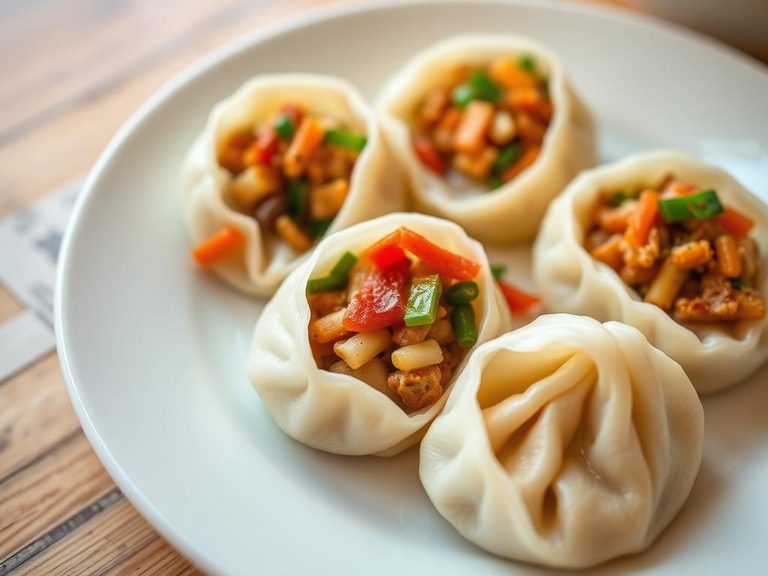 Used as a filling for soft, steamed dumplings
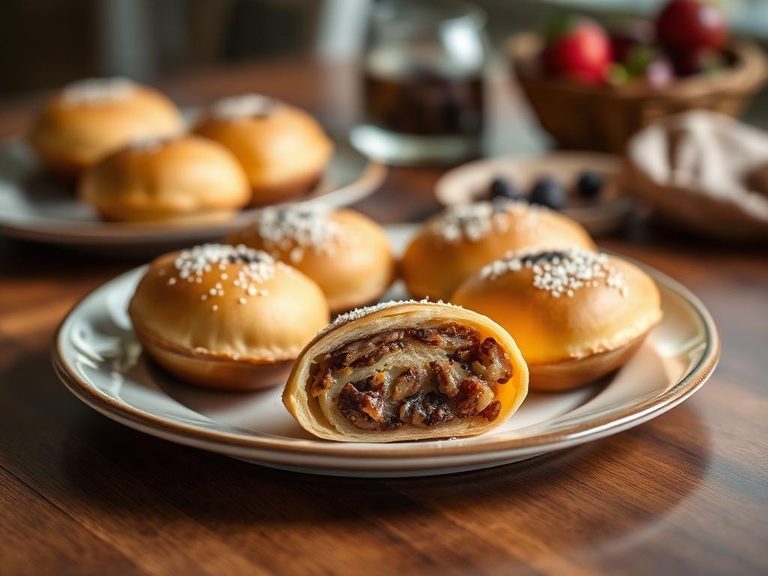 Used as a filling for soft, baked pastries.
 Used as a filling for soft baby pancakes
 Used as a filling for soft teething wafers
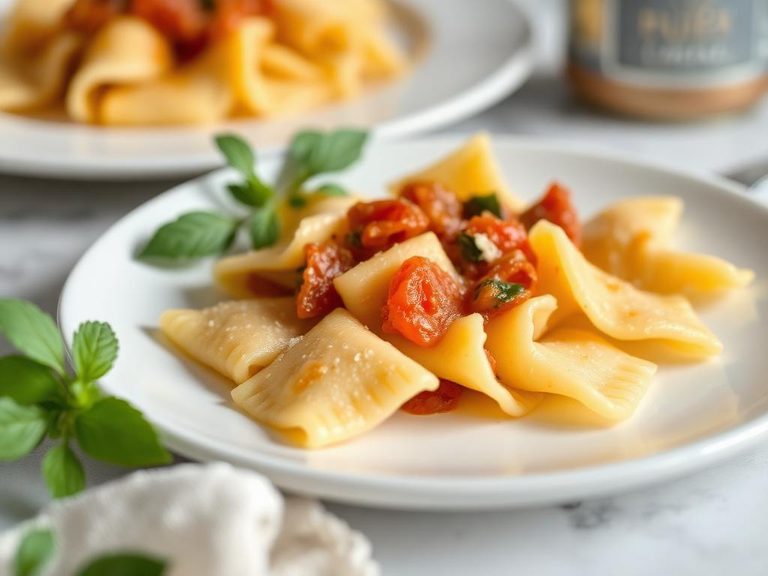 Used as a filling for small, soft pasta shapes
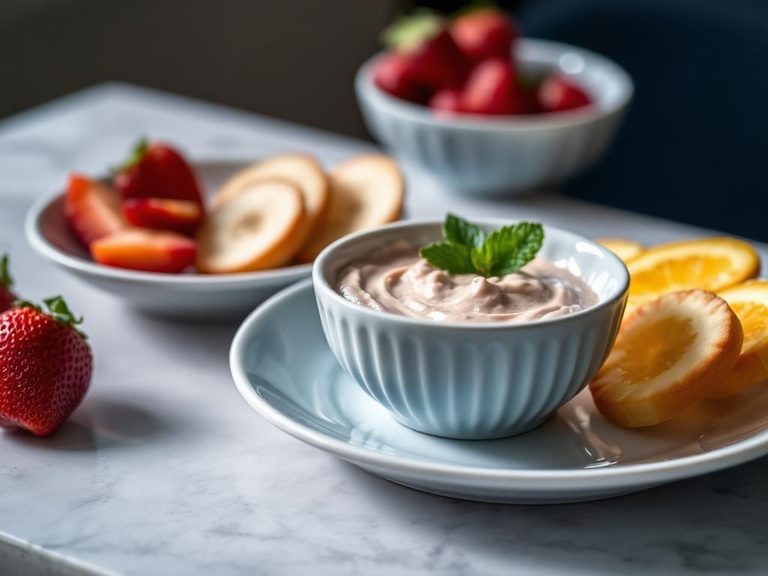 Used as a dip for soft fruits or biscuits
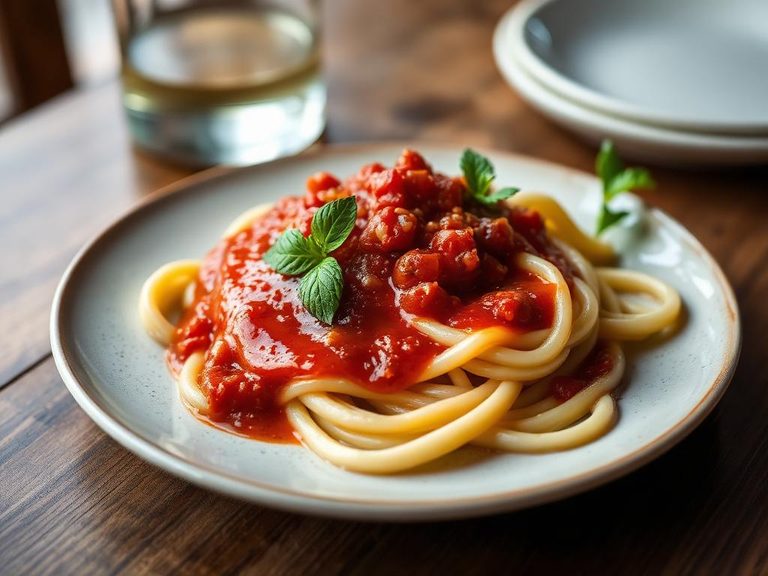 Used as a sauce for soft-cooked pasta
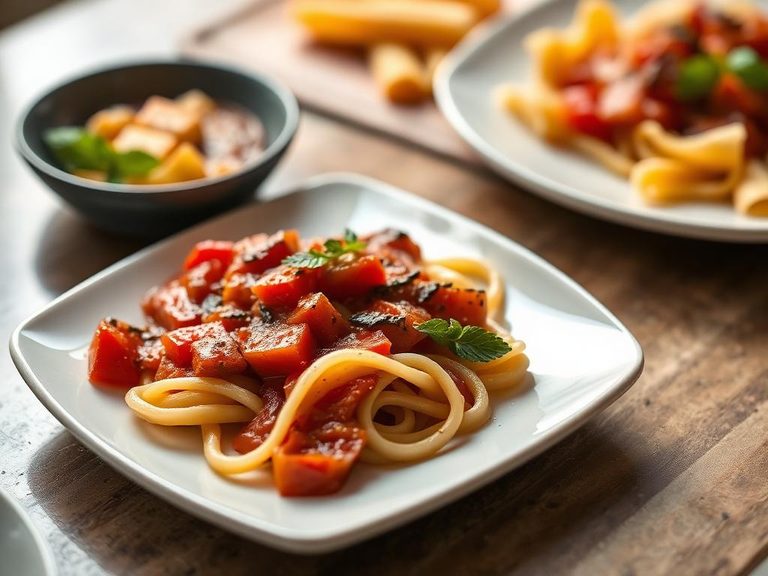 Used as a sauce for soft pasta shapes